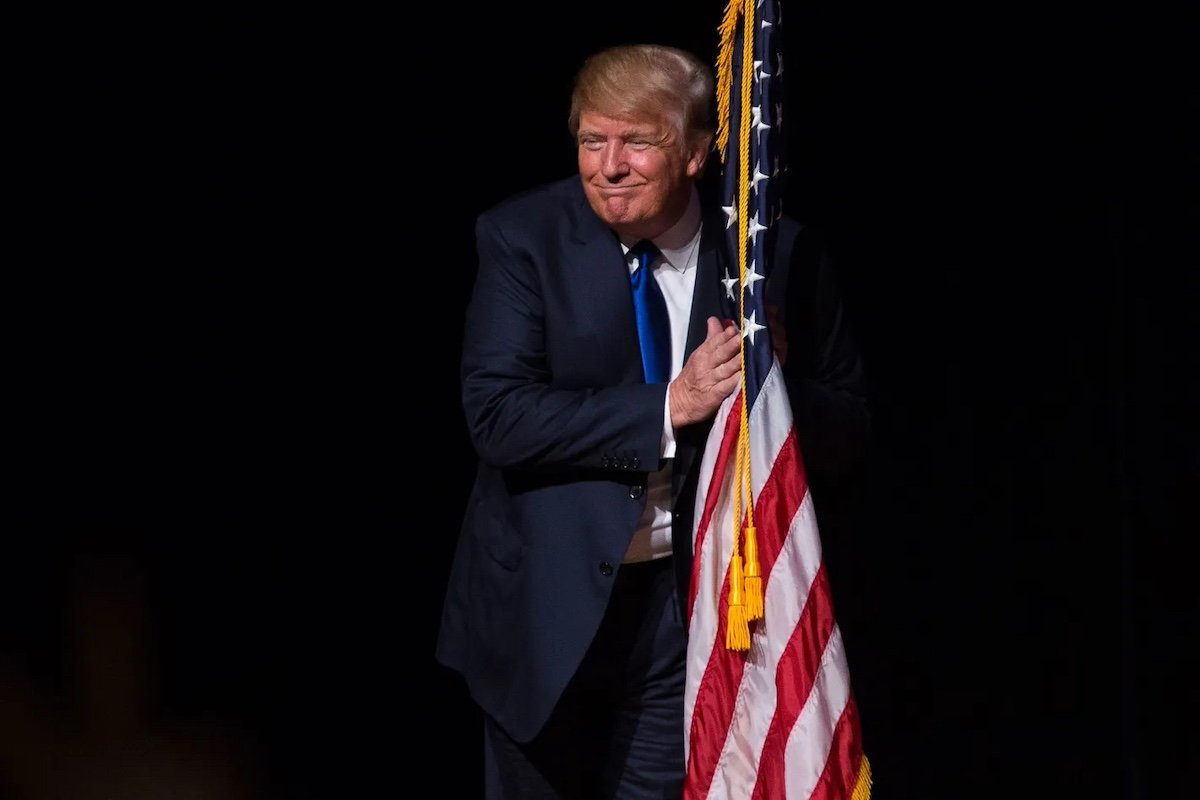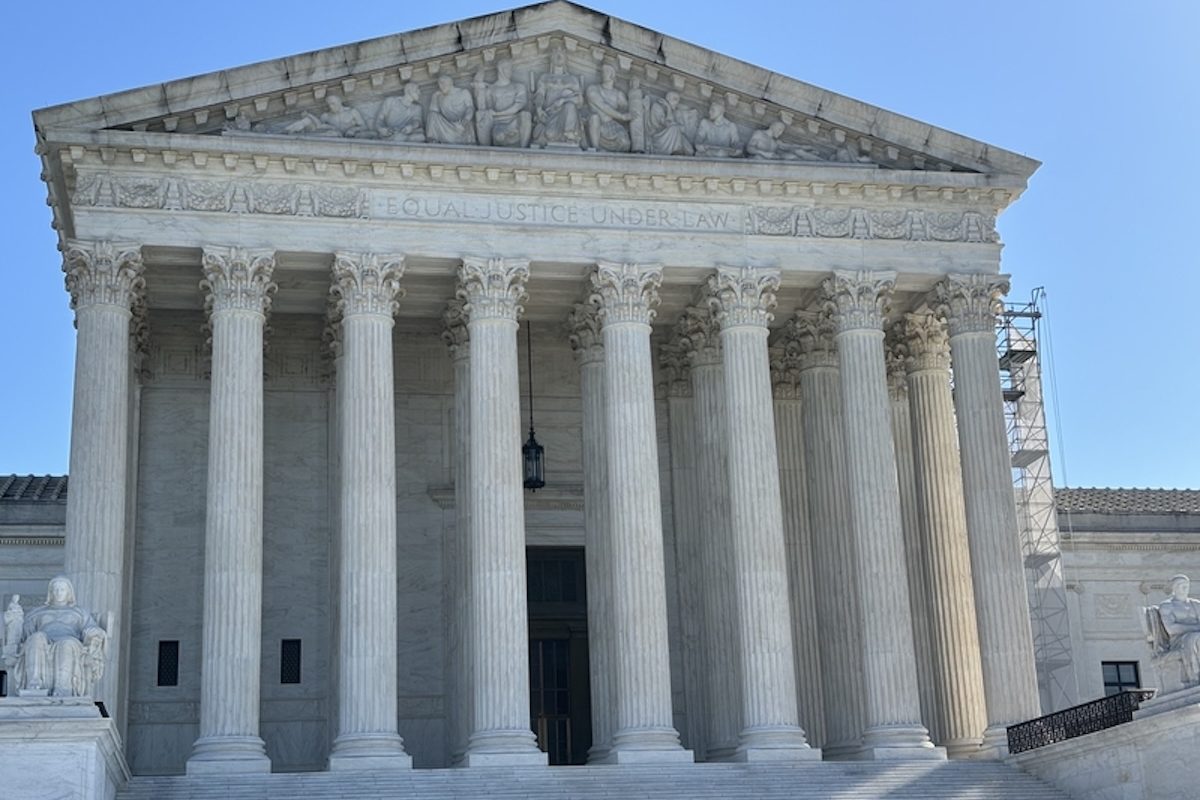
The United States Supreme Court has invalidated a core component of former President Donald Trump's trade policy, ruling that his administration overstepped its authority by imposing tariffs under emergency powers. In a 6-3 decision, the court found that the executive branch cannot unilaterally levy such import taxes, a power reserved for Congress.
A Legal Rebuke of Executive Trade Power
Chief Justice John Roberts authored the majority opinion, which firmly rejected the Trump administration's interpretation of the International Emergency Economic Powers Act (IEEPA). The administration had argued the law's provision allowing the president to "regulate" imports granted tariff authority. Roberts dismissed this, writing that the administration's reading would grant the president power to "impose tariffs on imports from any country, of any product, at any rate, for any amount of time" based on tenuous statutory language.
The ruling represents a significant constitutional check, affirming that the power to tax—including through tariffs—resides primarily with the legislative branch. Justices Sonia Sotomayor, Elena Kagan, Neil Gorsuch, Amy Coney Barrett, and Ketanji Brown Jackson joined the majority.
In dissent, Justice Brett Kavanaugh, joined by Clarence Thomas and Samuel Alito, argued that tariffs are a traditional tool for regulating trade and that the court should not intervene in a policy dispute. "Statutory text, history, and precedent demonstrate that the answer is clearly yes: Like quotas and embargoes, tariffs are a traditional and common tool to regulate importation," Kavanaugh wrote.
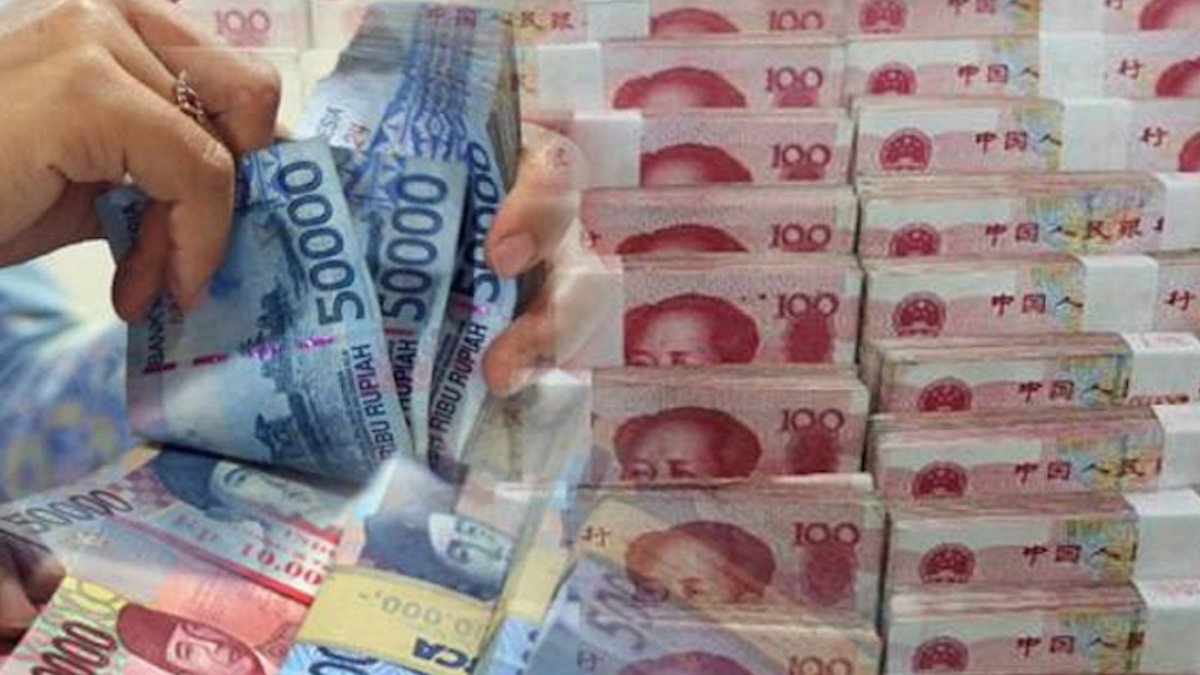
Immediate Repercussions for Asian Economies
The court's decision directly unravels a web of tariffs that had reshaped US trade relationships across the Indo-Pacific. The Trump administration had used IEEPA declarations to justify sweeping duties, beginning with levies on goods from China, Canada, and Mexico, citing illegal fentanyl smuggling.
The policy escalated dramatically in April, when Trump declared trade imbalances a national emergency. This led to a new 10% global tariff baseline and additional, country-specific duties. The administration's calculations targeted key US trading partners in Asia, proposing a 25% tariff on South Korean goods, 32% on products from Taiwan, and 46% on imports from Vietnam. These measures baffled economists and triggered market volatility.
The trade war with China saw the most extreme measures, with tariffs eventually rising to 145% on some products before cooling to an effective 55% rate on others. The administration also imposed a 50% total tariff on Indian goods in late August, citing India's use of Russian oil.
Trump officials had argued the tariffs forced concessions, pointing to a framework with Japan that lowered duties to 15% in exchange for a promised $550 billion Japanese investment in the US. The Supreme Court's ruling nullifies the legal foundation for these negotiated pressures.
The Legal Challenge and Its Broader Context
The case was consolidated from challenges brought by a coalition of small businesses and Democratic state attorneys general. The plaintiffs argued Trump had usurped congressional power. Among them were US companies heavily reliant on Asian manufacturing, including two Illinois-based toy makers.
The ruling arrives amid other international tensions involving the Trump administration, including a naval blockade in the Hormuz Strait that has roiled energy markets and affected Asian economies. Furthermore, the administration's push for a major defense budget increase continues to draw scrutiny, reflecting a broader pattern of assertive executive action now curtailed by the judiciary in the trade realm.
For Asian nations, the Supreme Court's decision provides legal certainty but also resets the terms of trade engagement with the United States. It underscores that future tariff measures will require congressional action, potentially making US trade policy less subject to unilateral executive shifts. This stability may be welcomed in capitals from Tokyo to New Delhi, which had faced unpredictable and steep duties impacting billions in commerce.