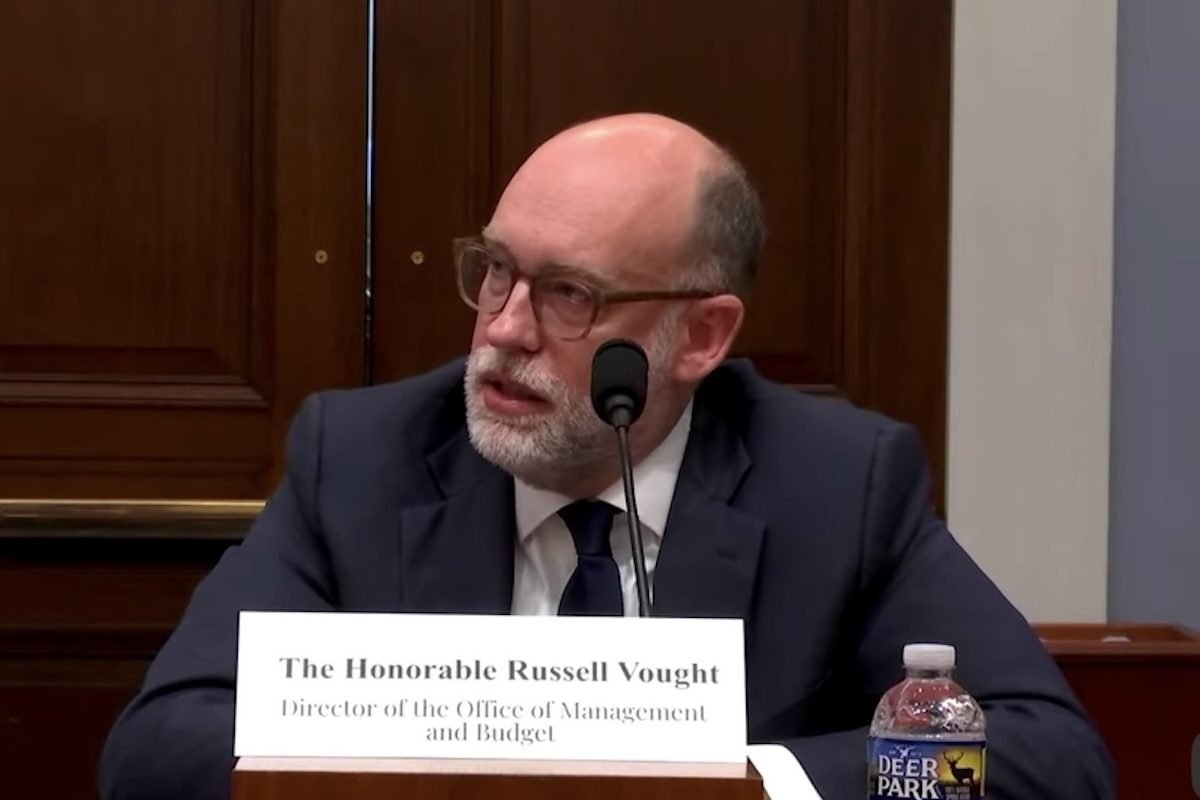
White House Budget Director Russ Vought defended the Trump administration's request for a 43% increase in defense spending during a contentious House Budget Committee hearing on Wednesday. The proposal, part of the administration's broader budget request, pairs the massive military boost with a 10% cut to domestic programs, setting the stage for a fierce legislative battle.
Defending a "Paradigm-Shift"
Vought argued the historic increase is essential for transformative investments in the military-industrial base. "The president and his Department of War are exhibiting tremendous leadership to build ships, planes, drones, munitions and satellites faster," Vought testified. He stated the goal is to enable the industrial base to "double or triple" capacity through multi-year procurement agreements, the costs of which must be accounted for immediately.
The administration's strategy involves placing roughly $1.15 trillion in the annual defense spending bill, requiring bipartisan Senate support, and an additional $350 billion in a budget reconciliation bill, which Republicans could pass alone. Vought suggested this approach would prevent Democrats from demanding matching increases in domestic spending.
Bipartisan Concerns Over Scale and Accountability
The proposal drew sharp criticism from Democrats. Representative Brendan Boyle (D-PA), the committee's ranking member, called the priorities "out of whack" for cutting health and childcare while massively boosting defense. Concerns also spanned the aisle, focusing on the Pentagon's persistent inability to pass a full audit.
Representative Glenn Grothman (R-WI) expressed frustration with the Defense Department's attitude, stating, "I keep holding my nose because defense is the most important thing. And they just say, 'We don't have to do an audit. We're so damn important.'" Vought sought to reassure lawmakers, claiming the department is making audit progress and that any found inefficiencies would be redirected to procurement and research.
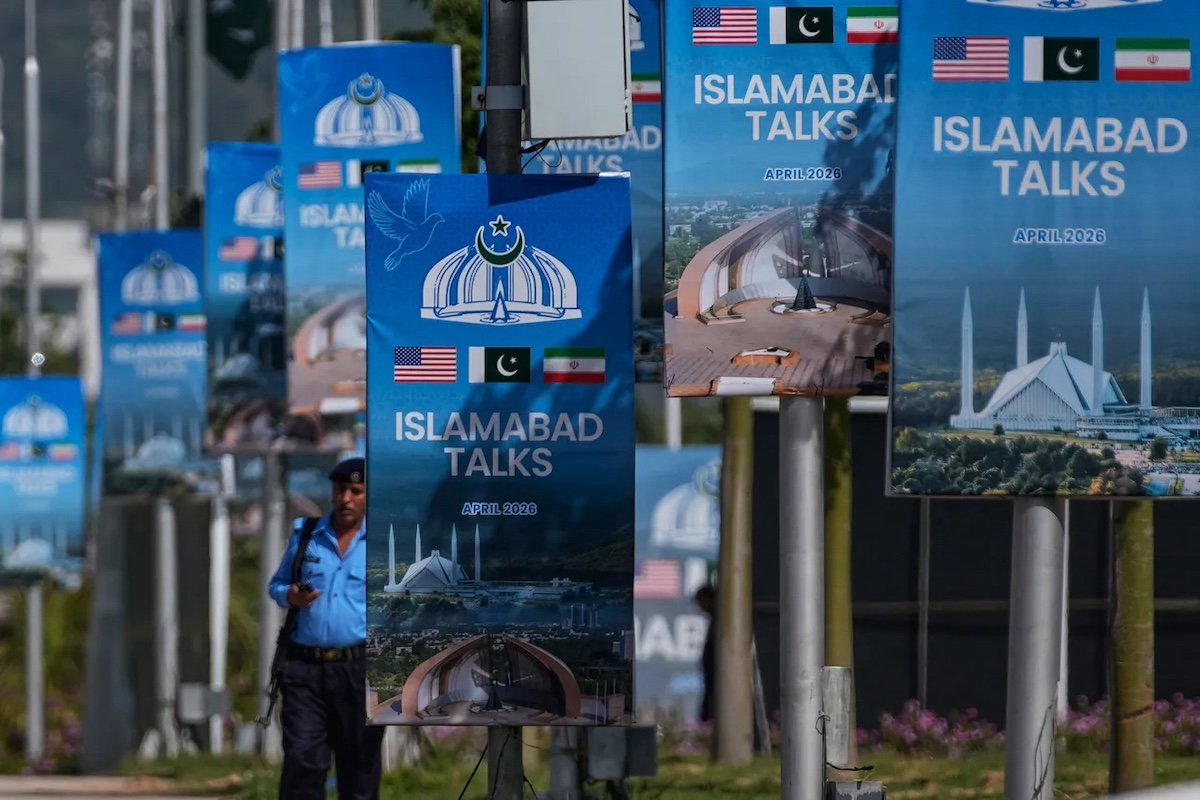
Notably, Vought could not provide an estimate for potential additional spending related to the conflict with Iran, a situation that has already caused significant regional instability. This uncertainty comes as the administration's naval posture in the Persian Gulf, including a blockade, continues to affect global energy prices and diplomatic engagements with major Asian powers.
Broader Budget Context and Next Steps
The defense spending debate occurs within a vast federal budget. For the fiscal year ending last September, defense spending totaled $893 billion, while non-defense programs received $980 billion. The administration's proposed cuts would affect agencies from Agriculture to Veterans Affairs.
The House Budget Committee does not draft final spending bills; that task falls to the Appropriations Committee, which will hold its own hearings in the coming weeks. The proposal's fate remains uncertain, as it is unlikely to be approved in full by a divided Congress.
For Asia, the scale of this proposed military expansion carries indirect but significant implications. A substantial shift in U.S. defense procurement and posture could influence strategic calculations from Tokyo to New Delhi, particularly if it alters capabilities in the Indo-Pacific. Furthermore, sustained or escalated conflict with Iran, for which this budget may earmark funds, poses a direct threat to energy security for major Asian economies like Japan, South Korea, and India, which rely on stable oil shipments from the Middle East.