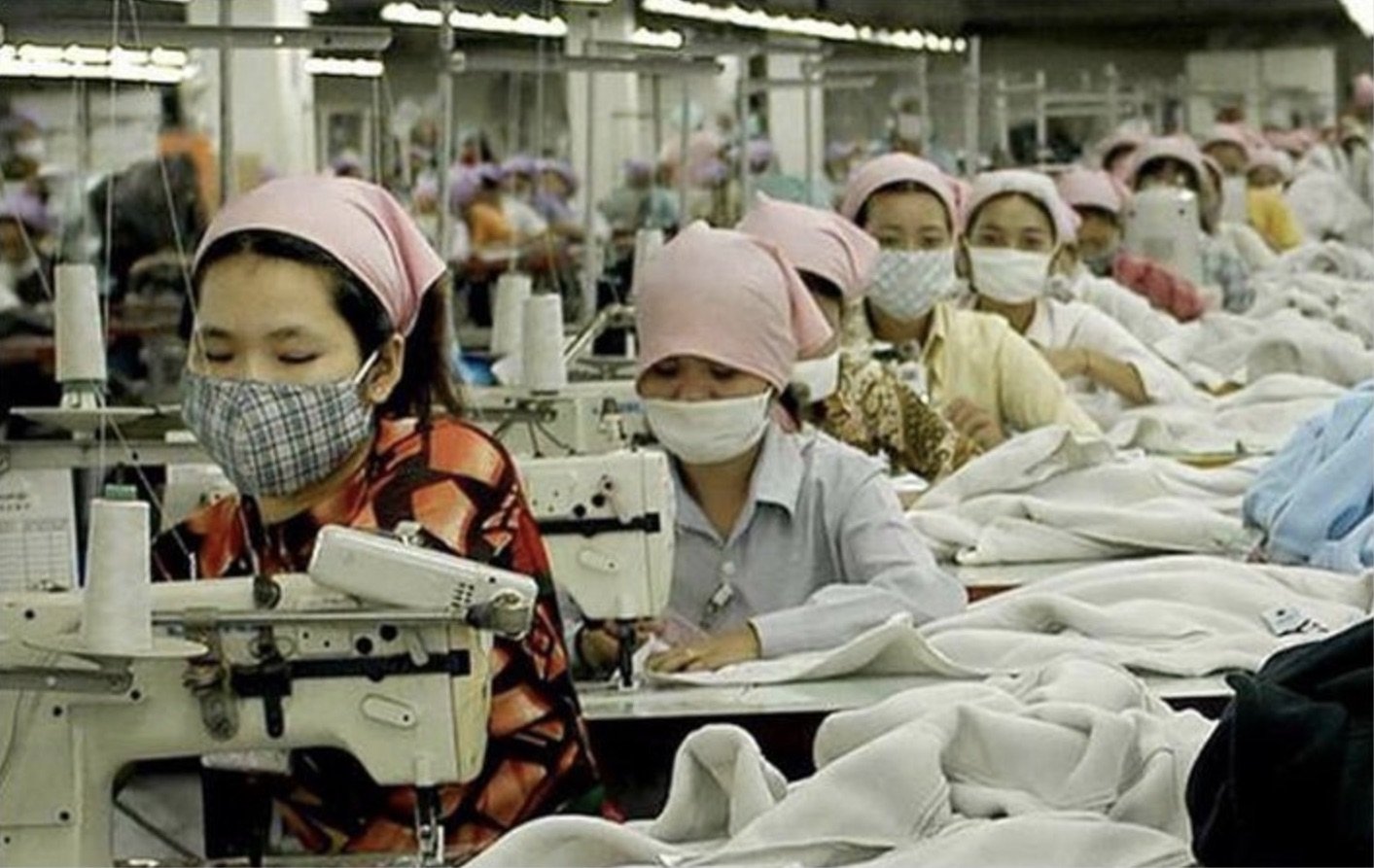
For a developing economy facing a fragmented global system, the instinct to preserve policy flexibility is understandable. But the countries that consistently draw long-term investment take a different approach: they bind themselves to rules they cannot easily change. In an era of eroding trade preferences and shifting geopolitical alignments, credibility and predictability become the most valuable assets a nation can offer.
This is the logic driving Cambodia's pursuit of accession to the Comprehensive and Progressive Agreement for Trans-Pacific Partnership (CPTPP). As Phnom Penh approaches its 2029 graduation from Least Developed Country (LDC) status, the preferential arrangements that have underpinned its garment and agricultural exports will fade. The question is what comes next.
From Preferences to Predictability
Senior Minister Sok Siphana, who led Cambodia's World Trade Organization accession and now heads its CPTPP assessment and negotiating team, has emphasized that small, open economies must deepen integration into rules-based frameworks as they move beyond LDC status. For Cambodia, the deeper logic of joining lies not merely in market access but in credibility and long-term competitiveness.
A government seeking investment asks firms to trust that its regulatory environment will remain stable. Yet such promises carry limited force when policy can shift with political winds. That risk raises financing costs, shortens investment horizons, and pushes capital toward quick returns rather than the kind of investment that supports industrial upgrading. Cambodia needs capital that brings technology, skills, and stronger links with domestic suppliers—investment that raises productive capacity and creates lasting spillover effects.
This problem sits at the heart of institutional economics, as developed by Daron Acemoglu, Simon Johnson, and James Robinson. Their work argues that the quality of economic institutions—property rights, contract enforcement, regulatory consistency—is a fundamental driver of long-run growth. Markets do not operate in a political vacuum. Where power is concentrated, those who hold it have greater room to reshape economic rules in their own interest. If firms believe rules can be rewritten whenever political incentives change, they invest less, innovate less, and avoid commitments that are costly to reverse.
How the CPTPP Locks In Reform
The CPTPP has no country categories. All members must meet the same high standards, and applicants must satisfy the Auckland Principles: preparedness to meet the agreement's standards, a demonstrated pattern of compliance with trade commitments, and consensus support from all existing members before accession is granted. Because Cambodia must meet these rigorous requirements before joining, the pre-accession process forces domestic reform. In the language of institutional economics, it creates an external constraint on political discretion that can partly substitute for domestic checks and balances—not by removing state authority but by tying it to enforceable commitments.
The agreement covers a wide range of modern economic activities, including goods, services, investment, and digital trade, while its intellectual property chapter is among the most comprehensive in major trade agreements. To join, Cambodia must align its legal and regulatory framework with CPTPP standards, which entails reforming domestic systems. This is why accession is both a reform instrument and a market access mechanism.
In practice, accession can help lock in reforms that might otherwise be weakened, delayed, or reversed under domestic pressure. It encourages a more coherent policy environment where rules are clearer, implementation is more consistent, and investors can plan with greater confidence. This is particularly relevant given that China has also signaled interest in joining the CPTPP, which would further reshape the trade landscape in the Indo-Pacific.
Costs and Trade-Offs
To be sure, CPTPP accession carries costs. The agreement requires substantial upgrades to intellectual property protection, environmental standards, and regulatory transparency that will strain Cambodia's administrative capacity. Some domestic industries may face competition for which they are not ready. Yet these challenges are precisely why the reform matters. Without external pressure, other priorities would likely delay or weaken these necessary changes.
Cambodia's preferences will not last forever, so it must build a more durable basis for competitiveness. While the market access benefits of the CPTPP are clear, its deeper value lies in the credibility and discipline it brings. The real trade-off is between preserving policy flexibility in the short term and securing the institutional foundations for long-term growth. For a country that has already capitalized on peace and stability as foundations for development, the choice to bind itself to high standards is a strategic bet on its own future.
As Cambodia works toward its Vision 2050 development goals, the CPTPP offers a framework to attract the kind of investment that raises productive capacity, fosters technology transfer, and creates stronger backward linkages between foreign investors and local suppliers. That is the kind of growth that endures—and it begins with the credibility that only binding commitments can provide.