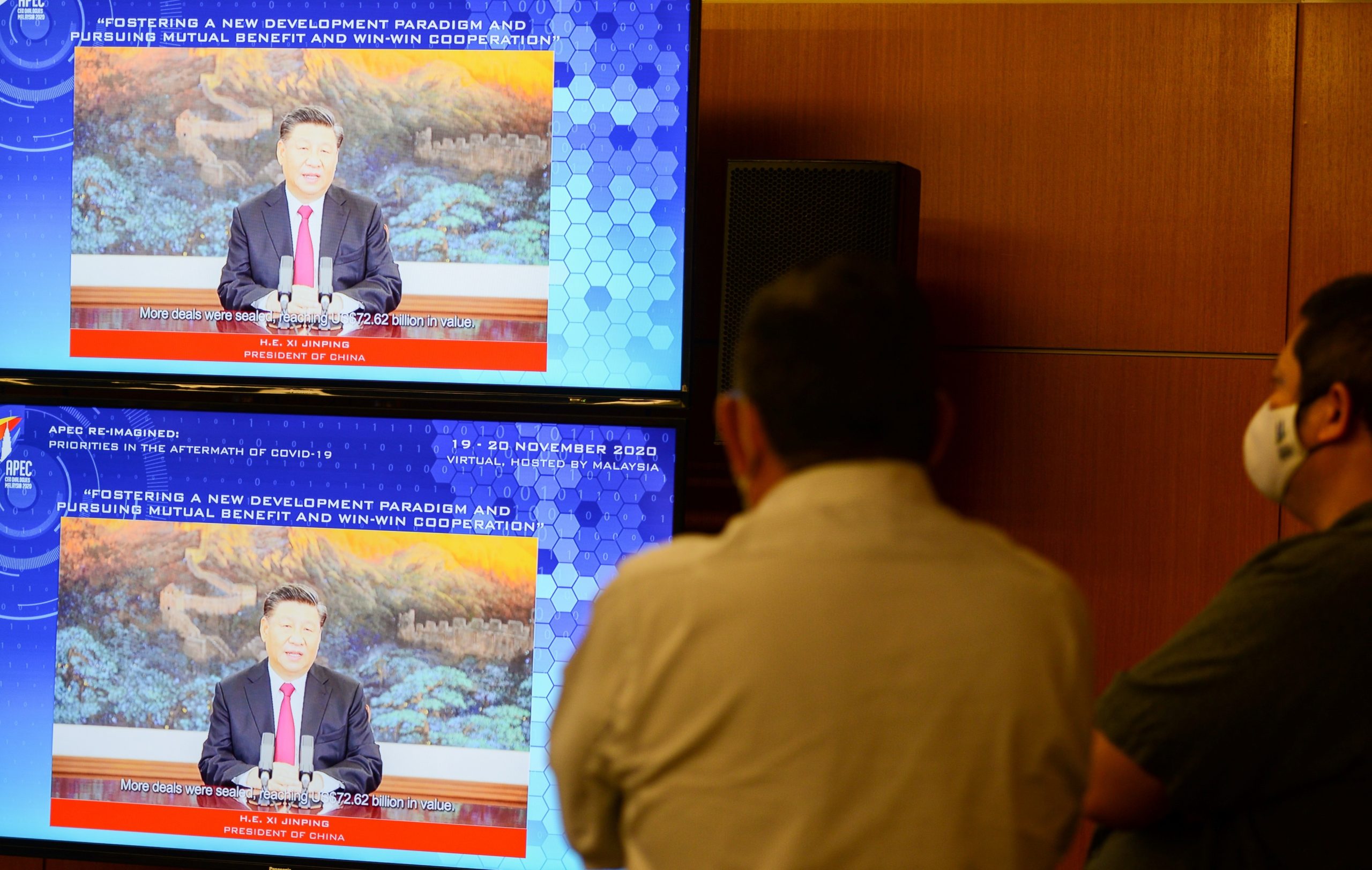
Chinese President Xi Jinping has signaled a potential major shift in Asia-Pacific trade dynamics, announcing that Beijing will consider joining a comprehensive regional trade pact once led by the United States. Speaking at the virtual Asia-Pacific Economic Cooperation (APEC) summit, Xi said China "will actively consider joining" the Comprehensive and Progressive Agreement for Trans-Pacific Partnership (CPTPP).
A Pact Reforged After US Withdrawal
The CPTPP is the successor to the Trans-Pacific Partnership (TPP), a landmark agreement originally negotiated by the administration of former US President Barack Obama. The TPP was conceived in part as an economic counterweight to China's growing influence in Asia. However, President Donald Trump withdrew the United States from the pact shortly after taking office in 2017, labeling it a bad deal for American workers.
Following the US exit, the remaining 11 nations—including Japan, Canada, Australia, Singapore, Vietnam, and Mexico—renegotiated and signed the updated CPTPP in 2018. The agreement eliminates or reduces tariffs on a vast range of goods and services and establishes common rules on investment, intellectual property, and state-owned enterprises.
Xi's statement, reported by Chinese state media, frames the potential move within a broader push for regional integration. "We must continue to promote regional economic integration and establish an Asia-Pacific free trade zone at an early date," the Chinese leader told the APEC forum.
Following the RCEP Coup
The CPTPP overture comes just days after China cemented its role in another massive trade bloc. Alongside 14 other Asia-Pacific nations, including Japan, South Korea, Australia, and the ten members of the Association of Southeast Asian Nations (ASEAN), Beijing signed the Regional Comprehensive Economic Partnership (RCEP). That agreement, which excludes the United States, covers nearly a third of global economic output and population, making it the world's largest trade pact.
RCEP was widely seen as a diplomatic and economic victory for China, filling a vacuum created by Washington's retreat from multilateral trade leadership. A successful bid to join the higher-standard CPTPP would represent an even more ambitious step, potentially locking in domestic economic reforms while further expanding Beijing's role in setting the rules of global commerce. This comes as global economic institutions reassess state-led growth models amid China's rising influence.
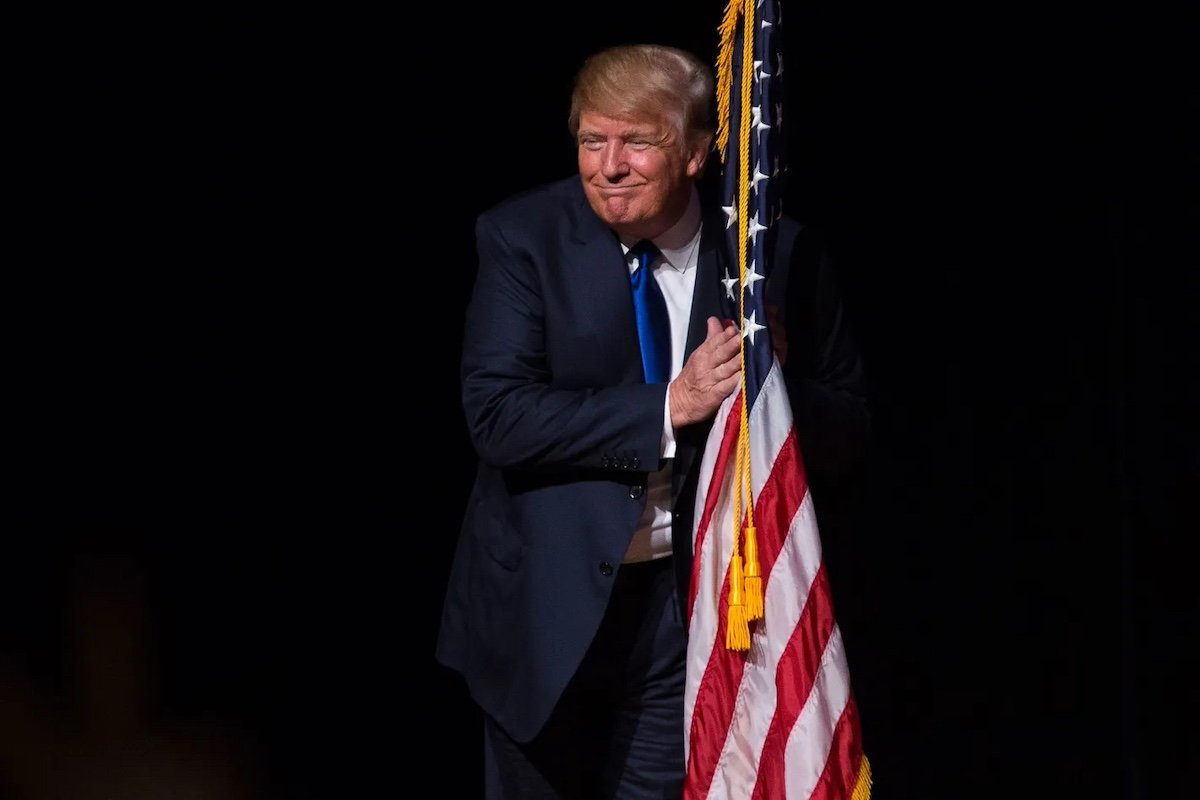
Trump's participation in this year's virtual APEC summit marked his first attendance since 2017, occurring as he continues to dispute his election loss to President-elect Joe Biden. His presence underscored the ongoing US political transition's implications for international economic policy.
High Bar for Entry
Experts note that China's potential accession to the CPTPP is far from assured and would involve complex negotiations. The pact includes stringent provisions on labor rights, environmental standards, and the operations of state-owned companies—areas where China's practices have frequently drawn international criticism. Beijing's industrial policies and overcapacity have already reshaped global trade and pressured other Asian economies.
Deborah Elms, executive director of the Singapore-based Asian Trade Centre, said Xi's interest could have a catalytic effect. "If Xi's statement of interest is pushed forward in the coming weeks and months, it will, of course, lead to a lot of questions from current members, prospective members and others that are not thinking of CPTPP membership at all," Elms told AFP.
She added that if China did join, it could encourage other economies in the region to follow suit, potentially reshaping the trade architecture of the Indo-Pacific. The move also intersects with broader strategic competition, where technological and military domains are equally contested, as seen in the US Navy's next-generation fighter competition aimed at countering Chinese capabilities.
China's dual-track trade diplomacy—advancing RCEP while courting CPTPP—demonstrates a concerted strategy to embed itself at the center of Asia's economic networks. This occurs as the United States appears focused on bilateral deals and great-power rivalry. The geopolitical undercurrents are palpable, with tensions extending to regions like the Persian Gulf, where maritime confrontations can influence major power summits.
Whether CPTPP members, particularly close US allies like Japan and Australia, would welcome China's membership remains a pivotal question. The decision would require a consensus among all current signatories and would force a reckoning with China's economic model on a new, rules-based stage.