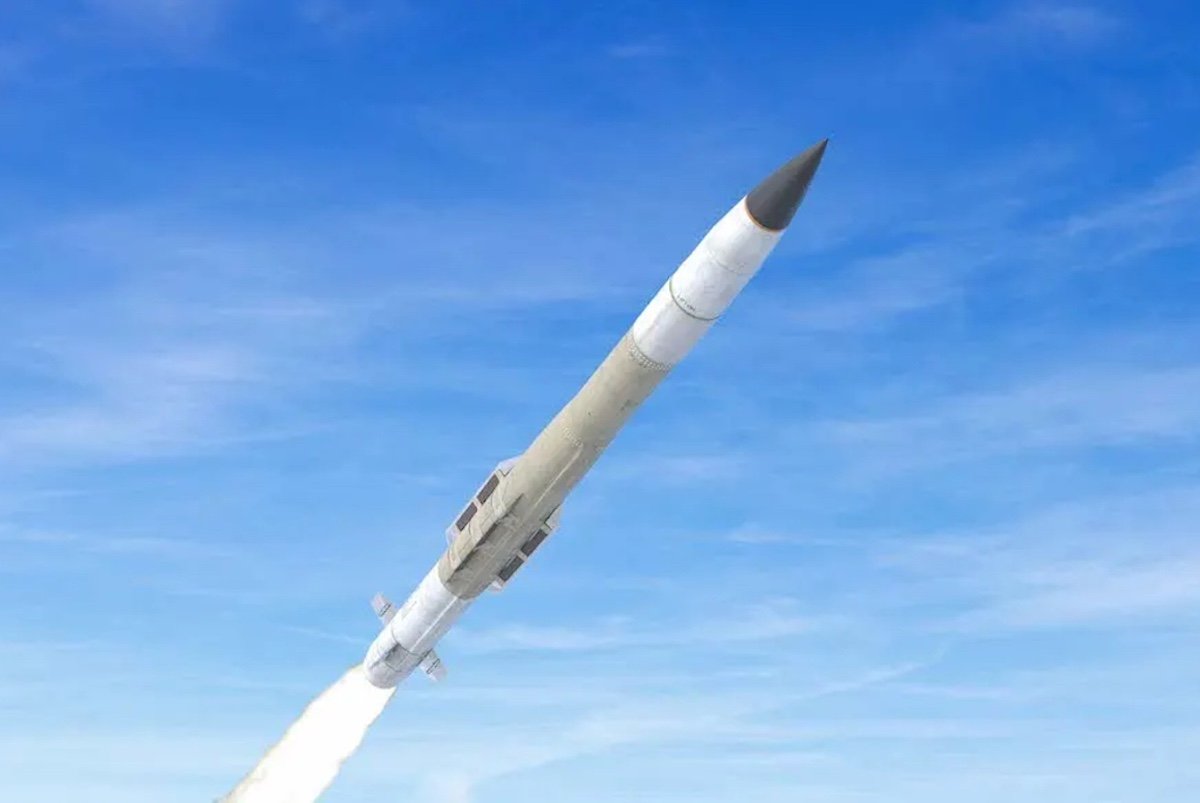
On August 25, British Prime Minister Andy Burnham, during a visit to Kyiv, announced that the UK would provide Ukraine with classified blueprints to produce its SCALP cruise missile—a variant of the Storm Shadow—for long-range strikes deep into Russian territory. "Russia should be in no doubt of our resolve. We will not back down until there is a just and lasting peace," Burnham said in a statement.
Moscow's response was swift. Foreign Ministry spokeswoman Maria Zakharova accused the UK of "playing with fire," warning that "any British military facilities and hardware, located both inside Ukraine and beyond its borders, may become legitimate targets in response to Ukrainian strikes on Russian soil using British weapons." She added that those "complicit in war crimes" would be punished.
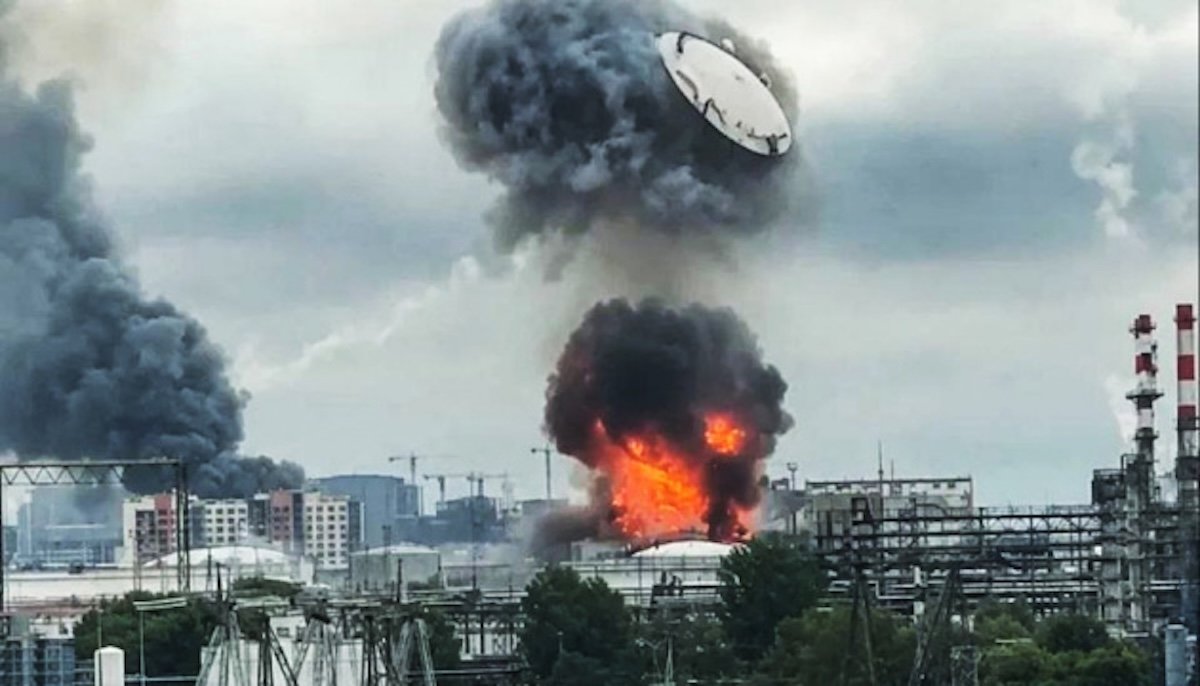
From Russia's perspective, Zakharova's reference to "war crimes" is not hyperbole. In recent months, Ukraine has intensified strikes on civilian infrastructure, particularly in the context of a "40-day influence operation" announced by President Volodymyr Zelensky in late June. According to Ukrainian officials familiar with the planning, the operation aimed "to force Russians to experience the consequences of the war more directly, with a view to influencing [Russian] elections in September."
These strikes have been widely interpreted in Russia—rightly or wrongly—as terrorist attacks on civilians using Western-supplied weapons, implicating the West directly. The episode appears to have shifted Russian public and political attitudes, with President Vladimir Putin stating that Ukraine's campaign has "opened Pandora's box."
In response, Russian attacks on Ukrainian infrastructure, especially around Kyiv and Odesa, have escalated dramatically, threatening to collapse an already fragile economy. As tensions with Europe rise, the possibility of direct Russian strikes on European military and defense industry targets—particularly those linked to arms supplies for Ukraine—no longer seems far-fetched.
Europe's hardening rhetoric, but underlying reluctance
European leaders, particularly in the so-called E3 (Britain, France, and Germany), have adopted increasingly combative language. French President Emmanuel Macron warned that "NATO countries will be targeted" and said Europeans are ready to defend the continent's freedoms "at the cost of blood if necessary." Germany has announced plans for a €12 billion arsenal of long-range missiles to "deter" Russia. For the first time since the Cold War's most volatile moments, a direct NATO-Russia conflict seems within the realm of possibility.
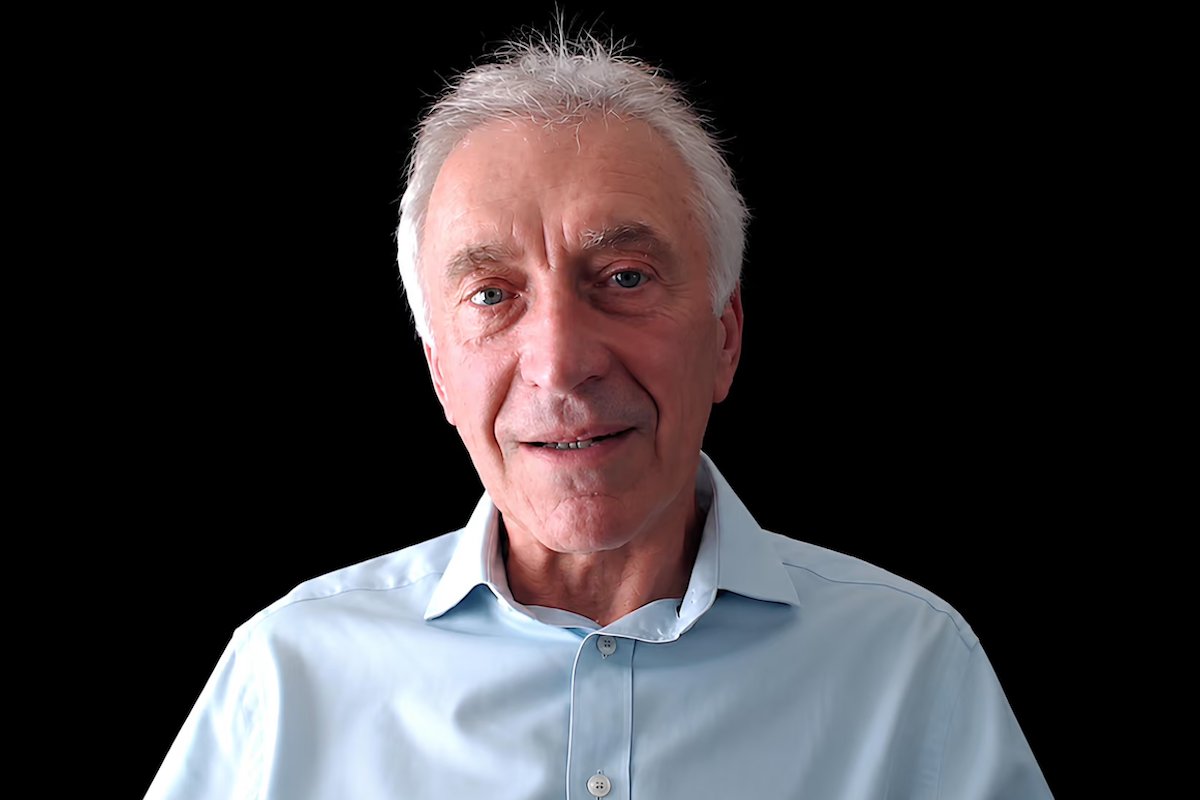
Yet, as retired Royal Navy Commodore Steve Jermy argues, Europe's bellicose rhetoric masks a deep reluctance for war. Jermy, who has worked at the highest levels of British government on defense policy and now specializes in energy and geopolitics, has published two articles on the subject: "The Coming War with Russia" and "The Spirit of Westphalia."
In an interview, Jermy said that providing Ukraine with missile blueprints "is bound to increase the chance of war." He noted that Burnham, new to the premiership, is likely "responding to briefs from the establishment," but that the establishment "seem not to understand, or to ignore, the risk that this is inviting on Britain in particular." He added, "None of these countries seem to understand those risks. That's in part a consequence of the fact that the West is being guided by a political narrative, whereas the Russians are being guided by military strategy."
Jermy's scenario for a direct war is grim: massive missile strikes on European cities, disruption of energy supplies, and a breakdown of the global economy. He points out that Europe's military readiness is far below what leaders claim, and that the United States' commitment under a Trump or any future administration is uncertain. "The Europeans are not ready for a conventional war with Russia," he said, "and they know it. That's why they keep threatening, but they don't want to actually fight."
For Asia, the stakes are high. A NATO-Russia war would disrupt global supply chains, energy markets, and security dynamics across the Indo-Pacific. As Putin's outreach to the Global South reshapes alliances, Asian nations are watching closely. The prospect of a Russia without Putin is no longer hypothetical, and the region must prepare for multiple scenarios.
Jermy argues that Europe needs a strategic shift, returning to the spirit of Westphalia—sovereignty, non-interference, and balance of power—rather than ideological confrontation. "The West has been pushing a narrative of democracy versus autocracy," he said, "but that's not how the Russians see it. They see a security threat. If Europe wants to avoid war, it needs to understand that."
As the rhetoric escalates, the gap between words and action grows. Europe's leaders talk of blood and treasure, but their publics are not prepared for the sacrifices a real war would demand. The question is whether they can find a way to de-escalate before it's too late.