In the spring of 2026, the dominant phrase in global economic circles is "China Shock 2.0." From Brussels to Washington, policymakers warn that a second wave of Chinese industrial exports—this time in electric vehicles, lithium-ion batteries, and renewable energy infrastructure—threatens Western manufacturing. Yet a dispassionate analysis suggests this shock is not a crisis but a necessary recalibration of global efficiency that the world cannot afford to reject.
The Real Cost of Protectionism
Western policymakers face a fundamental choice: prioritize protecting specific manufacturing jobs or safeguarding broader economic stability for the middle class. For decades, the political consensus has leaned toward shielding legacy industries with trade barriers. But this approach is increasingly untenable. Without China's green energy products, the cost of the energy transition would skyrocket. China now controls roughly 70% of the global battery supply chain and dominates green hydrogen electrolyzer production, accelerated by its 15th Five-Year Plan's shift toward absolute carbon control.
If the European Union or the United States impose triple-digit tariffs on these goods, the average citizen in London or Chicago will pay a protectionism tax on their next car or home solar installation. With carbon neutrality deadlines non-negotiable, slowing affordable green tech adoption for industrial nostalgia is not just bad economics—it is a climate failure.
A Deflationary Buffer for the Global Middle Class
Persistent inflation has been the primary driver of global political instability over the past two years. Here, Chinese exports act as a vital deflationary buffer. Data from the first quarter of 2026 shows that in dozens of emerging markets, industries with the highest penetration of Chinese imports have seen the most significant cooling of producer prices. When a Chinese firm produces a technologically advanced electric vehicle at half the price of a Western equivalent, it is not merely exporting overcapacity—it is expanding the global middle class.
In Southeast Asia, Latin America, and Africa, affordable, reliable tech allows millions to leapfrog older, dirtier technologies. This influx of value provides a floor for living standards during a period of global monetary tightening. For the global consumer, the China Shock is essentially a massive productivity dividend.
Debunking Persistent Misconceptions
Despite these benefits, the narrative remains clouded by misunderstandings. First, the claim that China's success relies on imitation is outdated. By 2026, Chinese firms have moved into indigenous innovation, driven by engineering scale—the ability to refine nascent technologies through rapid, massive production cycles that Western firms struggle to replicate. From solid-state battery breakthroughs to AI-integrated manufacturing, the innovation is iterative and increasingly original.
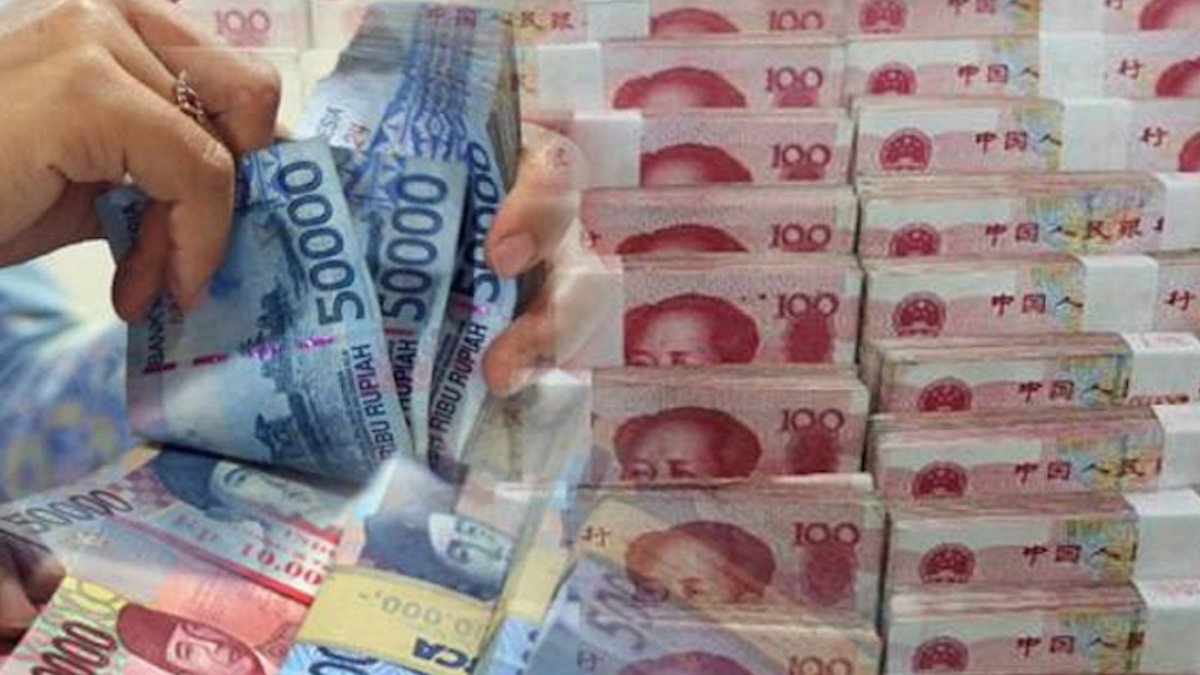
Second, the export surge is not a product of currency manipulation. Trade data from April 2026 shows that while the renminbi has fluctuated against a strong US dollar, China's trade surplus has stabilized because its demand for high-end semiconductors and AI-related hardware has reached record levels. The surge is driven by structural comparative advantage and manufacturing depth, not exchange rate gimmicks.
Third, the overcapacity argument—championed by critics like former US Treasury Secretary Janet Yellen—ignores basic trade logic. No one accused the United States of overcapacity when it dominated global software and aircraft markets, nor Germany when it exported most of its high-end automobiles. In a globalized world, manufacturing capacity is naturally sized for the global market. China is simply applying this logic to the industries of the future.
A Paradox for Global Leaders
The world faces a paradox: leaders express a desire for a rapid green transition, lower inflation, and a more inclusive economy, yet they distrust the country most capable of delivering scale and efficiency. This suspicion often conflates the interests of specific industrial lobbies with the broader public good. While job losses in certain sectors require domestic solutions—such as improved safety nets and retraining—they should not dictate a trade policy that makes the basic tools of the green transition unaffordable.
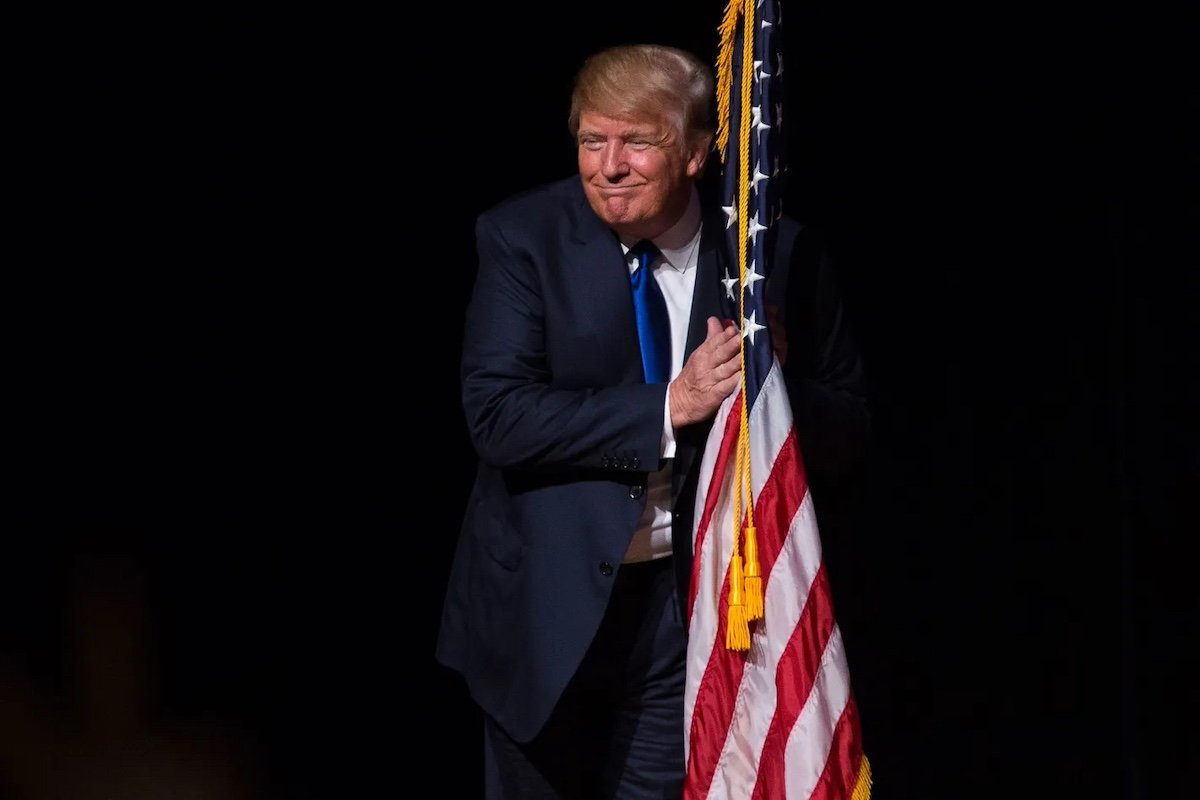
As the global fragmentation reshapes Asia's economic future, the China Shock 2.0 offers a chance to rethink trade. The Trump-Xi summit may codify new rules for US-China coexistence, but the real test is whether Western leaders can distinguish between protecting industries and protecting their citizens' prosperity.