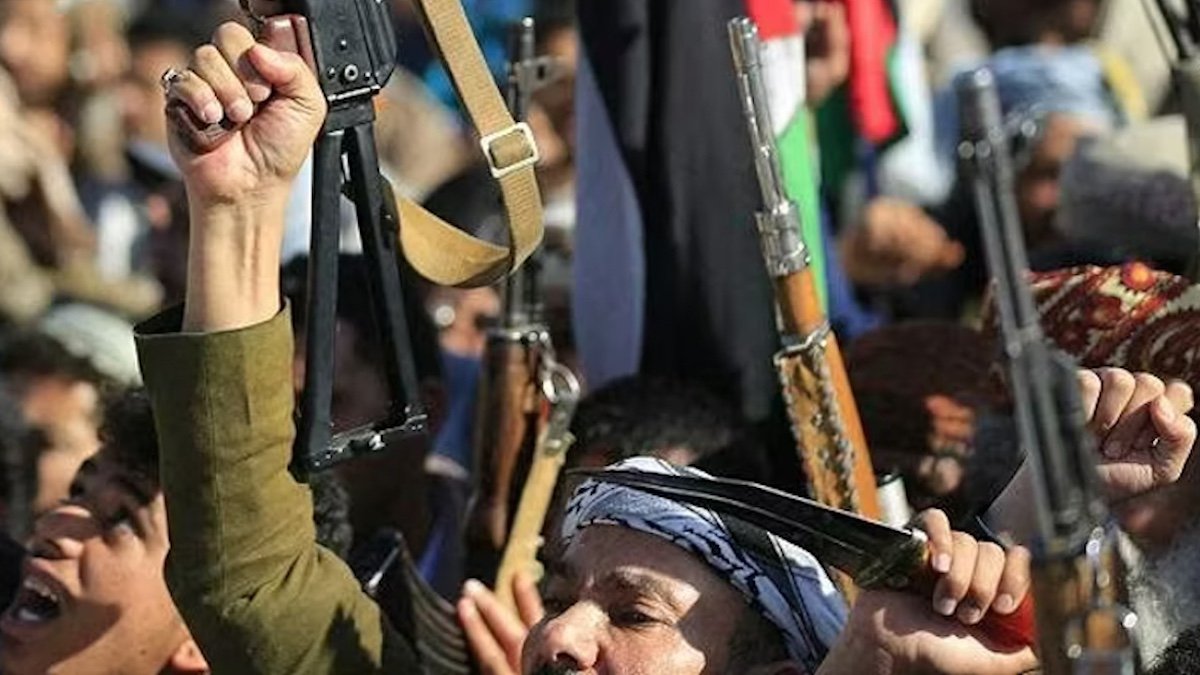
For nearly a decade, the United States has backed a Saudi-based council as the legitimate government of Yemen, even as the Houthi movement—known formally as Ansar Allah—has controlled the capital, Sana'a, and governed the majority of the population. That diplomatic fiction has justified a brutal war and economic blockade that have killed hundreds of thousands of Yemenis. The recent escalation along the Red Sea coast makes it clearer than ever: it is time to recognize the Houthis as Yemen's real government.
The Trump administration came close to launching another bombing campaign against Yemen this weekend. According to a September 20 New York Times report, US commanders had approved targets, and American troops were loading bombs onto warplanes, when President Donald Trump abruptly reversed course. For two weeks, Saudi Crown Prince Mohammed bin Salman had been pleading with Trump to intervene as Houthi forces swept through Saudi-backed positions along Yemen's Red Sea coast. Trump initially resisted, but after another urgent call from the crown prince, he ordered the Pentagon to prepare airstrikes. By Sunday, he had changed his mind again—at least temporarily.
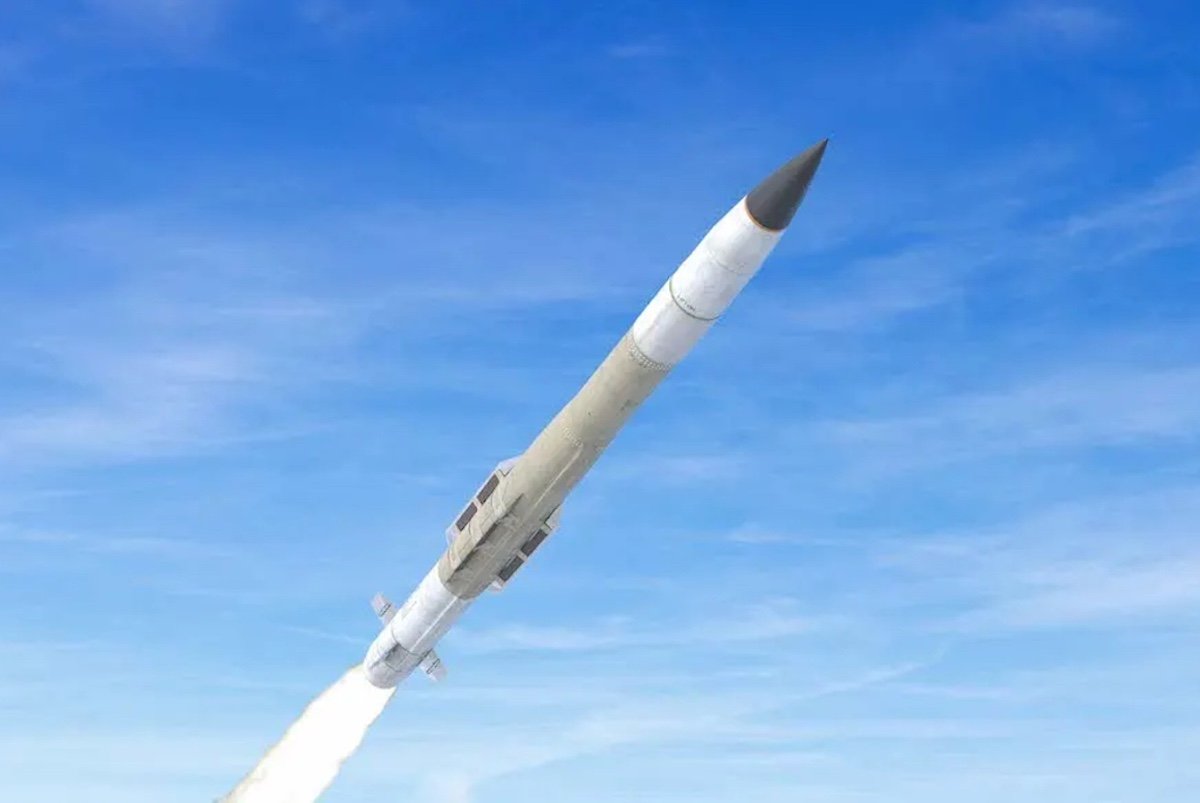
Many of Trump's closest advisers opposed joining the Saudi war, and US military officials questioned whether renewed bombing would achieve anything. The Houthis had already withstood more than 1,000 US strikes during a seven-week campaign in 2025, which consumed roughly $1 billion in munitions and other resources in its first month alone. Meanwhile, Ansar Allah has assured Washington that it does not intend to attack American ships, and US officials recently met Houthi representatives in Oman to preserve that understanding. A new bombing campaign could undo those diplomatic gains and threaten shipping through the Bab al-Mandab Strait, just as the Strait of Hormuz remains severely disrupted.
The war's new front
The crisis spawned by the US war on Iran spread to this dangerous new front on July 13, when the 2022 ceasefire between Saudi Arabia and the de facto Houthi government was shattered by a Saudi missile strike on the airport in Sana'a. The attack was designed to prevent the landing of an Iranian Mahan Air civilian plane carrying passengers returning from the funeral of Iran's assassinated Supreme Leader Ali Khamenei in Tehran. The flight was forced to divert to Hodeidah, 140 miles away on the Red Sea coast.
Yemen's Ansar Allah forces retaliated by attacking the Saudi airport at Abha, near the Yemeni border, with missiles and drones. Since then, hostilities have escalated dramatically. Houthi forces have captured the strategic port city of Mocha and the remainder of the Red Sea coast from Saudi-backed forces. They are still fighting to consolidate control of the Kahbub mountains that overlook the approaches to the Bab el-Mandeb Strait, but they are already preventing Saudi ships from sailing through the Red Sea.
The Saudis have responded with hundreds of airstrikes on Yemen. The Houthis, in turn, have attacked Saudi airbases and oil infrastructure with missiles and drones. Either the Yemenis or their allies in Iraq struck pumping stations on Saudi Arabia's East-West Pipeline—the Saudis' best alternative to the Strait of Hormuz for oil exports—shutting down the pumping stations and full operation of the pipeline for at least a month.
US complicity
The United States has dispatched an estimated 200 additional troops to Saudi Arabia to provide intelligence and targeting expertise for Saudi airstrikes, using programs like Palantir's Maven AI system, which the US and Israel also use in Gaza, and which US officials now admit was used in the massacre at the Minab girls' school in Iran in February. The State Department has also approved a $5 billion weapons sale that would provide Saudi Arabia with 5,000 2,000-pound bombs and 5,000 500-pound bombs, along with JDAM guidance kits and fuses. This comes on top of a planned $24 billion sale of 48 F-35 fighter jets to the Saudis, following record US arms sales to Saudi Arabia of $110 billion in 2018 and $142 billion in 2025.
Congress has not yet consented to these latest Saudi arms sales. Sen. Ed Markey (D-Mass.), backed by Sens. Jeff Merkley (D-Ore.) and Bernie Sanders (I-Vt.), has filed a Joint Resolution of Disapproval that can stop the sale if it receives enough votes. The Houthi coastal offensive has bolstered Iran's position in the region, but it has also eroded the rebels' legitimacy in the eyes of many Yemenis. Still, the question remains: why does the US continue to treat a Saudi-based council as the legitimate government of Yemen, while refusing to recognize the government that actually controls the capital and governs most of the country's population?
Since 2015, international recognition of Saudi-backed governments-in-exile has served to justify a decade of war and economic strangulation against 80% of Yemenis who live in the area governed by Ansar Allah, including Sana'a. Between 2015 and 2022, with full US support, Saudi Arabia and its allies dropped over 69,000 bombs and missiles on Yemen, including thousands on civilian targets, killing at least 8,983 civilians, according to Iona Craig's Yemen Data Project. By the end of 2021, the UN estimated that the war, blockade, and resulting humanitarian crisis had caused 377,000 deaths.
The roots of this predicament lie in Yemen's failed political transition after the Arab Spring. In 2011, a mostly peaceful uprising brought down Yemen's corrupt, repressive, US-backed president, Ali Abdullah Saleh. His vice president, Hadi, was appointed to a two-year term as interim president in 2012. But the Houthis, based in the north, eventually took control of Sana'a in 2014, and the Saudi-led coalition intervened in 2015 to restore Hadi. The result has been a stalemate and a humanitarian catastrophe.
Recognizing the Houthis as Yemen's government would not be an endorsement of their ideology or methods. It would be an acknowledgment of reality—and a necessary step toward ending a war that has caused so much suffering. As the US war on Iran has shown, military escalation in the region leads only to dead ends. Diplomatic engagement with the de facto authorities in Sana'a, as the US has already begun in Oman, offers a more promising path. The alternative—continued support for an exile council that has no control on the ground—will only prolong the conflict and deepen the misery of the Yemeni people.