As the United States barrels toward its November 3 midterm elections, a different kind of drama is unfolding—one that rarely makes the headlines but shapes the very foundation of American democracy. This is not a scripted television series, but a real-life power play where the world's wealthiest individuals are spending unprecedented sums to influence the outcome. For observers in Asia, where political systems and media landscapes vary widely, the implications are profound.
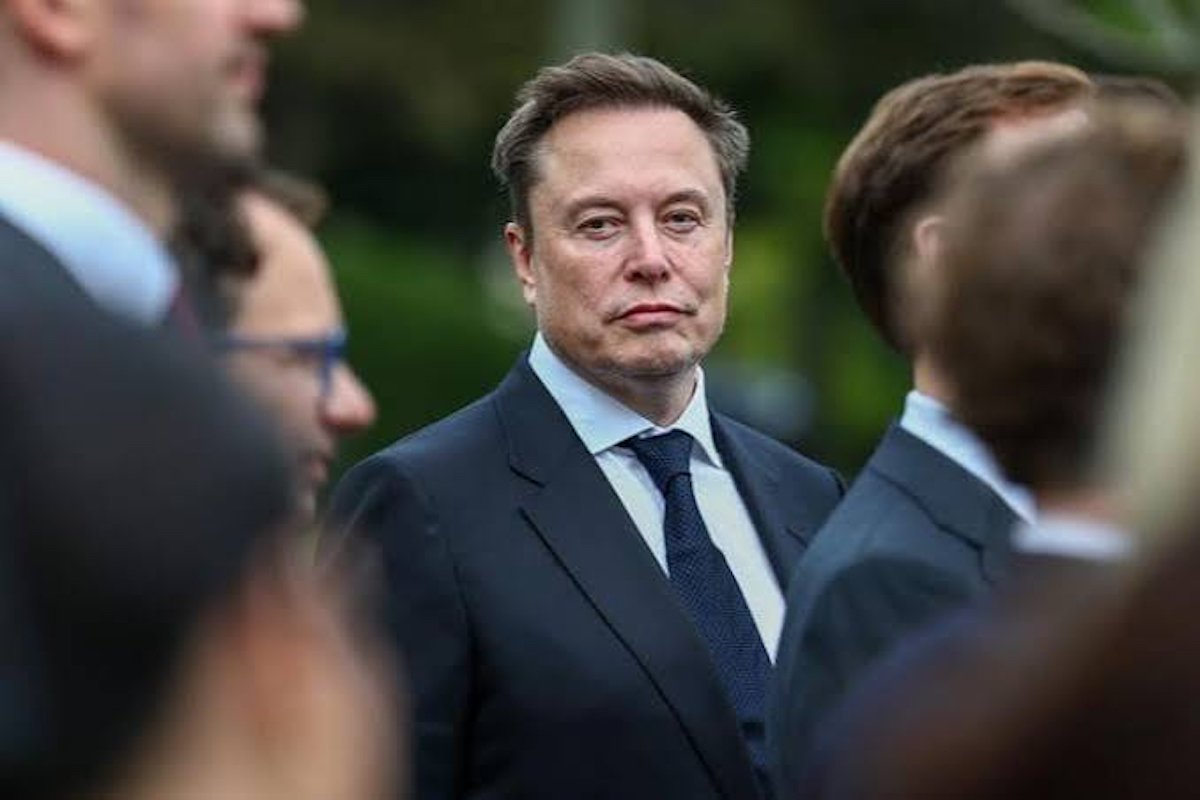
According to the Federal Election Commission, a staggering $16 billion has been poured into the 2026 midterm cycle, with hundreds of millions more added in recent weeks. This figure, already a record, underscores a troubling trend: the growing influence of a handful of billionaires over the electoral process. Elon Musk alone has contributed nearly half a billion dollars to Republican-aligned campaigns and Super PACs, surpassing his total political spending in the 2024 presidential election. His $158 million donation to support Texas senatorial hopeful Ken Paxton stands as the largest single electoral contribution in American history.
But Musk is not alone. On the Democratic side, Mike Bloomberg, Reid Hoffman, and George Soros have collectively given $227 million, while Republican initiatives have received hundreds of millions from tech investors Marc Andreessen and Ben Horowitz ($92 million), shipping magnates Elizabeth and Richard Uihlein ($150 million), and financiers Jeff and Janine Yass ($110 million). Hundreds of millions more flow through opaque Super PACs that are not required to disclose their donors, further muddying the waters.
The media's complicity
Most of this money—approximately 73%—goes toward political advertising. AdImpact projects a record $11.6 billion will be spent on broadcast, cable, radio, streaming, and social media ads. Yet viewers are left with little to distinguish fact from fiction. Under the Communications Act of 1934, broadcasters are prohibited from censoring or editing candidate-sponsored ads, even when they know the content is false. The Federal Communications Commission requires transparency about who paid for an ad but does not monitor the accuracy of its claims. Meanwhile, social media platforms like Facebook, X, and YouTube have largely abandoned fact-checking efforts since 2024.
This creates a vicious cycle: the money spent to manipulate voters flows back to media companies, many of which are controlled by the very donors funding the ads. As Robert W. McChesney and John Nichols, co-founders of Free Press, described it, this is a “money and media election complex” where wealthy donors, corporations, politicians, and media align against the public interest. “The complex has tremendous gravitational power,” they wrote over a decade ago, “which increases the degree of difficulty for those wishing to participate in elections in a manner not conducive to wealthy funders, corporate media or preservation of the status quo.”
The result is a political system beholden to billionaires and a hyper-commercial media that profits from keeping voters in the dark. This is not just an American problem. As Asia's own democracies and emerging economies grapple with similar challenges, the lessons are clear: unchecked political spending can erode public trust and distort democratic processes. Countries like India, Japan, and South Korea have their own campaign finance regulations, but the rise of digital media and cross-border influence makes vigilance essential.
Media outlets must take their obligations more seriously. In exchange for First Amendment freedoms, they need to cover the money poisoning politics, expose the groups and individuals funding ads, and address falsehoods. Public policy must also address systemic failings. As the record spending threatens to buy America's midterms, the consequences of bad rules and regulations come into sharper focus.
For Asia, the takeaway is twofold. First, the integrity of elections is a cornerstone of democratic governance, and the influence of money must be checked. Second, the media's role in informing the public is vital; without it, democracy withers. As the US midterms approach, the world watches—not just for the outcome, but for the precedent it sets. The economic policies and tariff decisions that follow will have ripple effects across the Indo-Pacific, making this election a global concern.
Ultimately, the question is not just about who wins in November, but whether the democratic process itself can survive the onslaught of billionaire cash. As Asia continues to rise, it must learn from America's mistakes and ensure that its own political systems remain responsive to the people, not just the powerful.