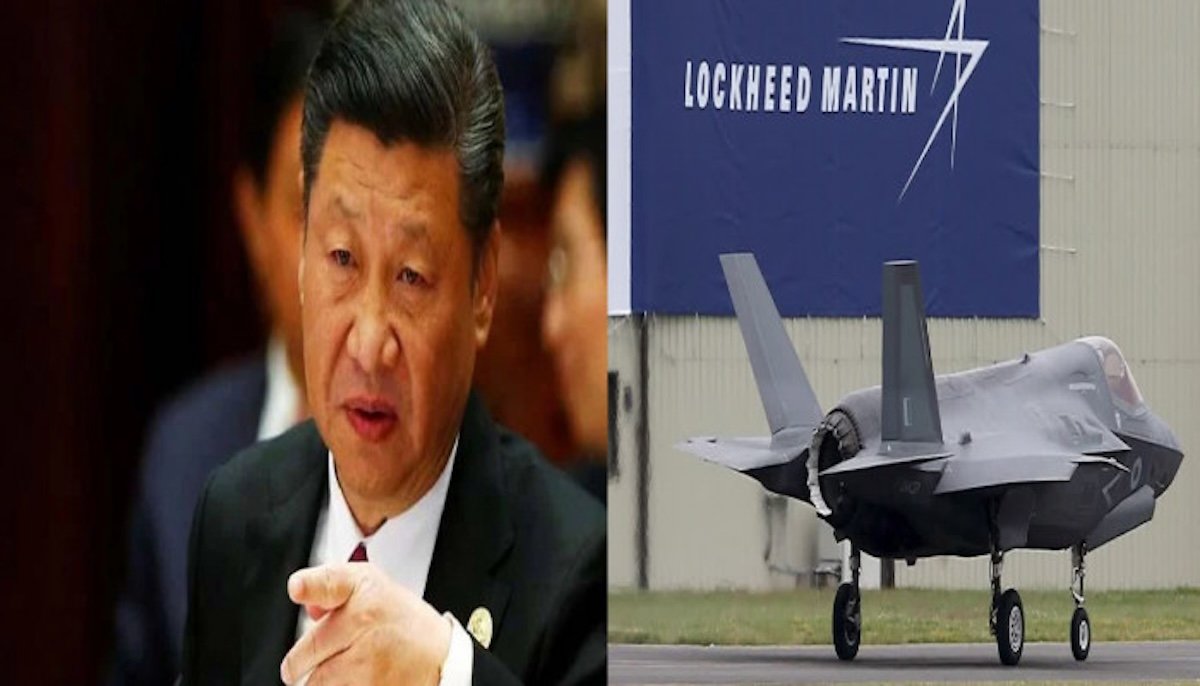
Beijing escalated its trade and technology confrontation with Washington on Monday, announcing a two-pronged retaliation that bars Chinese government departments from buying products from 46 American defense contractors and blacklists 10 US companies from receiving Chinese dual-use exports. The measures come weeks after the Pentagon added dozens of Chinese firms, including Alibaba, BYD, and Baidu, to its list of alleged military-linked companies.
The Ministry of Finance issued a directive prohibiting all procurement entities from purchasing goods manufactured by the 46 US firms, a list headed by Lockheed Martin Corporation and Raytheon Missiles & Defense. The ban, which took effect immediately, explicitly exempts US-funded enterprises operating within China, a carve-out that analysts say protects companies like Apple's component suppliers and medical equipment makers from disruption.
Simultaneously, the Chinese Commerce Ministry added 10 US entities to its export control list under China's Export Control Law, barring Chinese exporters from supplying them with dual-use items. The list includes rare earth miners MP Materials Corp and USA Rare Earth, alongside drone and defense electronics makers such as Red Cat Holdings, Teal Drones, and Ball Aerospace & Technologies Corp.
“The move is in response to the US move to expand its so-called China military-industrial entity list and is aimed at protecting China's national security and honoring non-proliferation commitments,” a spokesperson for the Commerce Ministry said in a statement.
Calibrated pressure on critical supply chains
Chinese commentators described the measures as carefully calibrated to maximize pressure on US defense contractors and rare earth suppliers while sparing foreign firms with active commercial operations in China. Li Yong, an executive council member of the China Society for WTO Studies, told state media that the controls “feature well-defined boundaries, targeting only items tied to military supplies and military manufacturing.” He contrasted this with Washington's approach, which he said “arbitrarily broadens its crackdown scope, fabricating fictitious military links for companies with zero military relevance.”
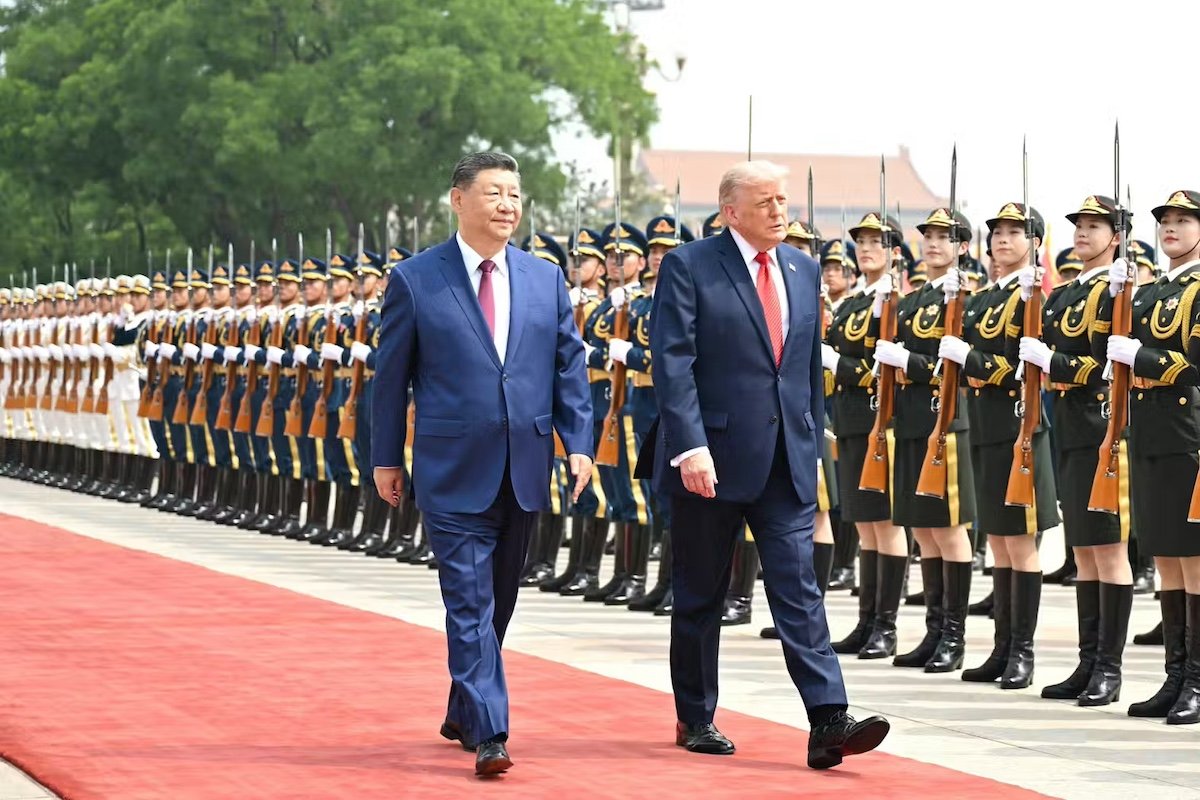
The escalation follows President Donald Trump's visit to Beijing on May 14-15 for a summit with Chinese President Xi Jinping that both sides described as productive. The Trump administration said China agreed to purchase more American agricultural products and aircraft. However, on June 8, the Pentagon announced the largest-ever expansion of its Chinese military company list, increasing the roster to 188 entities from 134 last year. The update swept in prominent civilian technology names, deepening concern in Beijing that Washington was using national security designations to target China's commercial technology industry.
A Henan-based columnist writing under the pen name “Sanding Sugar” noted that the first eight blacklisted companies “cover America's small drone ecosystem, aerospace payload chains, army tactical vehicle platforms, and underwater surveillance systems.” He emphasized that these products “demand extreme consistency in material quality, including permanent magnet performance, high-purity indium coatings, and specialty ceramic stability. China is the dominant supplier of these critical minerals, and such a supply chain cannot simply be replaced overnight.”
The columnist singled out MP Materials and USA Rare Earth as the most revealing targets. “Blacklisting them does not stop them from mining critical mineral ores, but prevents them from obtaining China's processed rare earth materials, separation products, and magnet precursors. America's plan to revive its rare earth sector just hit a compliance wall.” This development underscores the vulnerability of US efforts to rebuild rare earth supply chains, a topic explored in Japan's push for G7 rare earth price floors.
On the Finance Ministry's ban covering 46 US firms, the writer said Beijing wants to send two signals: the ministry has embedded all 46 names into screening systems across every provincial finance department and central budget unit, making the prohibition an automatic check on every purchase approval. The exemption for US-funded enterprises operating inside China means that businesses like Apple's component suppliers or medical equipment makers will not be affected.
Xi Kunlun, a Hunan-based columnist, argued that Beijing's intent was to split American firms into two camps, rewarding those with genuine commercial operations in China while punishing those tied to the US defense and rare earth sectors. “This retaliation carries a deeper message than simple payback. China is telling Washington that suppressing Chinese companies comes at a price,” he said. “The US targeted China's drone industry, so China put American drone makers on its Entity List. The US labels Chinese technology companies as military firms, so China blacklisted the equivalent American firms.”
The move also leverages China's massive domestic procurement market as a strategic tool. “China is playing its trump card, cutting off the channels through which targeted US firms have profited from Chinese government spending,” Xi Kunlun added. “If Washington wants to talk, come with respect. If it wants to fight, China will respond.”
The sanctions come amid broader tensions in the Indo-Pacific, where the US is betting on robot wingmen to counter China's missile threat. Analysts say the rare earth restrictions could complicate US efforts to secure supply chains for defense and high-tech manufacturing, as China controls the majority of global processing capacity for these critical minerals.