The Chinese Communist Party has laid out its economic roadmap for the next five years, emphasizing sustainable development through structural reforms and greater self-reliance. The 14th Five-Year Plan (2021-2025), detailed in a communiqué from the recent CPC Central Committee plenary session, aims to foster sustained and healthy growth by deepening the domestic market, upgrading industrial chains, and boosting innovation capacity.
Shifting the Economic Foundation
The plan signals a strategic pivot. While not abandoning export-led growth, it seeks to build a more resilient economy by tapping domestic consumption potential and reducing external vulnerabilities. Key objectives include modernizing the industrial base, achieving more balanced development between urban and rural areas, and refining the socialist market economy system. The communiqué states the intention to basically complete the building of a high-standard market system, with reforms targeting property rights and market-based allocation of production factors.
This domestic focus comes as China's industrial policies continue to reshape global trade dynamics, affecting supply chains across Asia and beyond. The plan also includes goals to advance public cultural services and increase the global influence of Chinese culture, linking economic strategy with national cohesion.
Foreign Investment as a Strategic Pillar
Despite the inward-looking rhetoric, attracting foreign capital remains a core component. Shanghai, China's financial hub, exemplifies this dual approach. Data from the Shanghai Municipal Commission of Commerce shows foreign capital inflows grew 6.1% year-on-year to $15.52 billion in the first three quarters of 2020. The city added 38 regional headquarters of multinational corporations and 14 foreign-funded R&D centers, bringing their totals to 758 and 475 respectively.
Foreign-funded enterprises, numbering nearly 60,000 in Shanghai, now contribute over a quarter of the city's GDP, more than a third of its tax revenue, and about two-thirds of its foreign trade. To sustain this, Shanghai will host a promotion event during the upcoming China International Import Expo and has implemented preferential policies to help foreign firms navigate challenges posed by the Covid-19 pandemic.
Monetary Policy and Corporate Performance
Supporting this economic transition, the People's Bank of China continues to manage market liquidity. On a recent Friday, the central bank injected a net 30 billion yuan ($4.48 billion) into the banking system via reverse repo operations, aiming to maintain reasonably ample liquidity. This careful calibration of credit aligns with the plan's emphasis on stability.
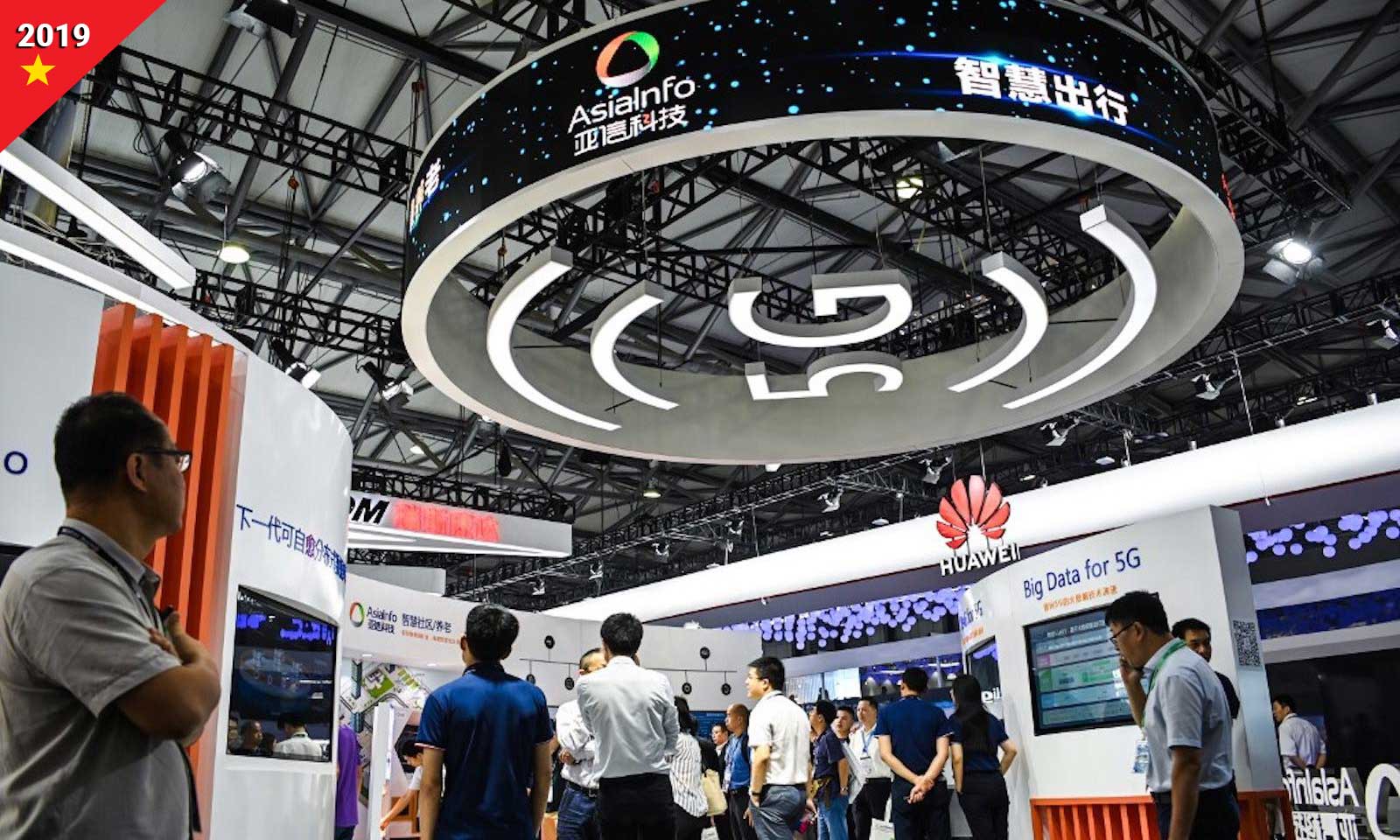
Corporate earnings reports reflect a mixed landscape. Telecom giant ZTE reported a 15.4% rise in operating revenue for the first nine months of 2020, reaching 74.13 billion yuan, with a significant 37.2% surge in the third quarter alone. The company has aggressively invested in 5G, with R&D spending up 15.3% and 55 commercial 5G contracts secured globally. Meanwhile, state-owned PetroChina saw its third-quarter net profit skyrocket 353.6% to 40.05 billion yuan, a rebound it attributes to stringent cost control despite low oil prices and dampened demand.
China's economic recalibration occurs as global institutions are forced to reassess state-led growth models. The success of its five-year plan will have profound implications for trading partners across the Indo-Pacific, from raw material suppliers in Southeast Asia to advanced manufacturing competitors like Japan and South Korea. The drive for technological self-sufficiency, particularly in areas like 5G and green energy, also positions China as a direct competitor in strategic sectors, a reality underscored by the intensifying US-China competition to build next-generation energy supply chains.
Ultimately, the 14th Five-Year Plan represents China's blueprint for navigating a complex global environment marked by pandemic recovery and geopolitical friction. By strengthening the domestic market while selectively engaging global capital and technology, Beijing aims to secure its long-term economic trajectory and geopolitical influence.