TOKYO – When Chinese equities shed a sum equivalent to South Korea's entire GDP in just five months, Beijing has a serious problem. The US$2.4 trillion drop in market value since May is roughly the size of Canada's economy. While multiple factors explain the bear market, the most persistent are a prolonged slump in consumption and property, compounded by external pressures from a wobbling global AI trade.
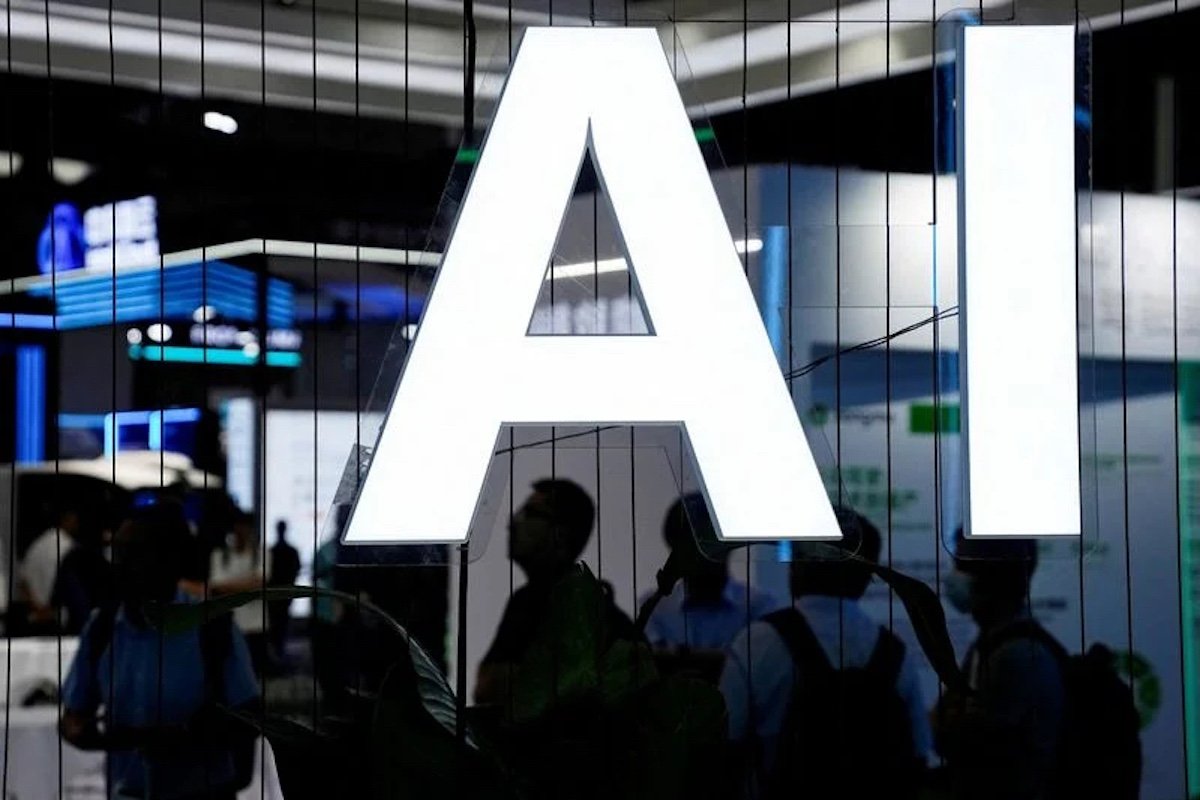
The irony is that China keeps winning the AI innovation race while its stock market gets nothing from it. The CSI 300 index is down 11% this year, while the Taipei and Seoul bourses have surged 59% and 31%, respectively. Since the “DeepSeek shock” of January 2025, Chinese labs have repeatedly impressed. July's launch of Moonshot AI's Kimi K3 proved DeepSeek was no aberration, and Stanford's Institute for Human-Centered AI recently concluded that China is rapidly eroding America's lead. Samm Sacks of Johns Hopkins' School of Advanced International Studies (SAIS) calls the gap between US and Chinese models “narrow and fragile.”
This week, DeepSeek raised roughly $15 billion, setting the stage for one of China's most anticipated IPOs in years. Yet shares in AI developers MiniMax and Z.AI (Zhipu) are being hammered daily, just as more listings enter the pipeline. Shanghai is missing the global AI boom for three reasons.
Why Shanghai lags
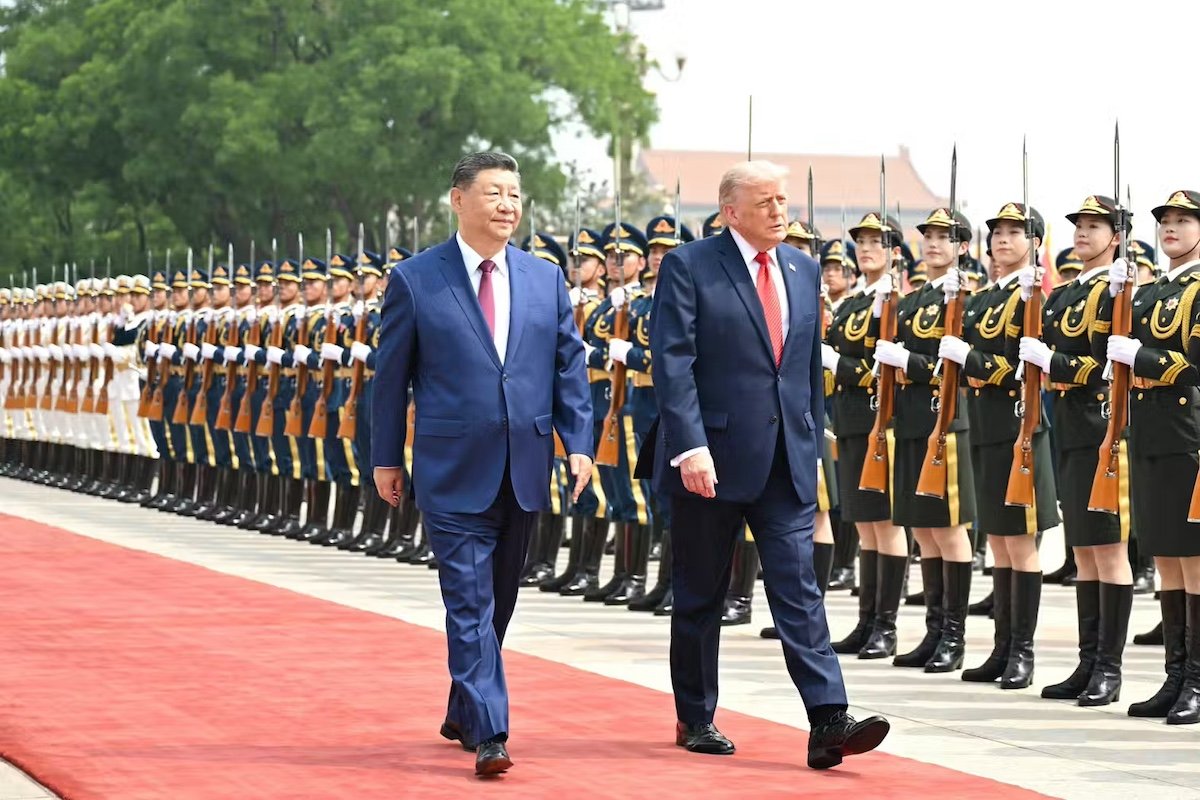
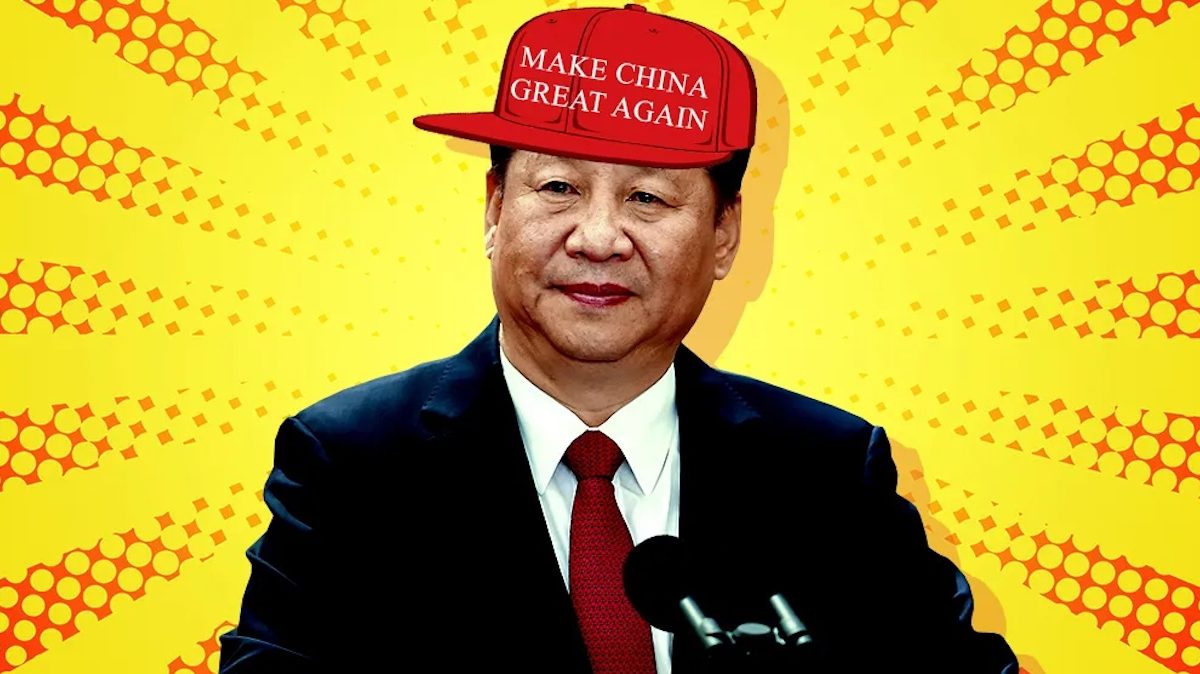
The first is weak confidence: six years of falling property values, near-record youth unemployment and deflation weigh on households and businesses. The second is index composition. The CSI 300 has little AI hardware exposure, while Taiwan and South Korea are stacked with TSMC, Samsung and SK Hynix. Even Japan, with no big AI wins, is riding the global tech rally. The third is regulatory and geopolitical uncertainty. Xi Jinping's tech clampdowns since late 2020 earned China an “uninvestable” label from foreign funds, and uncertainty over US export controls on advanced chips, including Nvidia's, depresses mainland valuations.
Beijing has again mobilized its “national team” of state-backed funds, insurers and regulators after a chaotic tech selloff. The playbook has a record of stabilizing Shanghai shares. The most famous deployment came in summer 2015, when shares fell by a third in weeks. Beijing responded with state funding, trading suspensions across thousands of companies, an IPO freeze, rules letting mainlanders pledge their homes as margin collateral and even patriotic stock-buying campaigns. The team was called back in 2018, 2021-22, 2023, the April 2025 tariff shock and the July 2026 tech selloff.
But Bloomberg Intelligence's Rebecca Sin warns that “with no global equities rebound to rely on, the national team might need to buy more and do so for longer than in its two most recent rescues.” Even then, market support is no substitute for bold steps to restore economic confidence. As 2027 approaches, signs of structural reform are scarce.
The property crisis, youth unemployment and dismal local government finances are compounding weak household demand. The finance problem traces back to an incentive structure that rewards ambitious provincial officials for above-trend GDP growth, the bigger the better. That is why China has six-lane highways to nowhere, airports with few international flights, record-chasing skyscrapers, white-elephant stadiums and apartment complexes that may never be finished. Municipal leaders paid for this boom through local government financing vehicles (LGFVs), borrowing vast sums, mostly from banks and largely off the books.
Now the LGFV bubble complicates Xi's push for consumption-led growth. It has drawn the attention of rating agencies and limits local governments' ability to back startups, lift productivity and raise incomes. Fitch's Davis Sun calls the 2028 “no hidden debt” target “mainly a political and accounting milestone,” not the point at which most LGFVs become financially independent.
Today's borrowing will do little to fix the property sector. Only bold, creative policy can move bad assets off developers' balance sheets. Nor will it clean up municipal finances, reduce youth joblessness, raise productivity or ease the strain of an aging population and stagnant births. With roughly 70% of household wealth tied to real estate, stabilizing the market is essential to reviving consumer spending and sustaining 5% growth. Without credible measures to put a floor under housing and give 1.4 billion people reasons for optimism, the “deflationary mind” dragging on the economy will continue to fester.
Recent stimulus has nudged growth back into range. Third-quarter GDP grew 4.5% year-on-year, bringing the nine-month figure to 4.6% against a 4.5%-5% target, thanks largely to exports and factory activity. The People's Bank of China cut the one-year pledged supplementary lending rate by 25 basis points to 1.5%, broadened its scope to more infrastructure investment, and raised relending quotas for technology, private firms, farms and small businesses.
Yet many, including the International Monetary Fund, see China slowing to 4% in 2027. Krishna Srinivasan, director of the IMF's Asia and Pacific Department, said last week that the fiscal support is “quite limited in size and scope.” Most growth is explained by external demand, he said, so the rebalancing “has not really materialized.” He called for “a lot more” fiscal stimulus until the economy reflates, and said the property crisis has “lingered for too long.” Other analysts agree. Moody's Elaine Xu says the package should be larger and more targeted.
For investors, the disconnect between China's AI prowess and its market performance is a cautionary tale. While ASEAN's neutrality strategy is being tested by the US-China AI race, and Seoul and Taipei markets shine, Shanghai remains mired in structural problems that no amount of AI innovation can solve. Until Beijing addresses the root causes of weak confidence, the national team's buying sprees will only provide temporary relief.