China's leadership is attempting a profound economic pivot, seeking to reduce reliance on global trade by stimulating domestic spending. This strategy, championed by President Xi Jinping under the banner of "internal circulation," aims to fire up the home market. However, the plan confronts a formidable obstacle: the limited purchasing power of a vast segment of the population.
The Income Reality Check
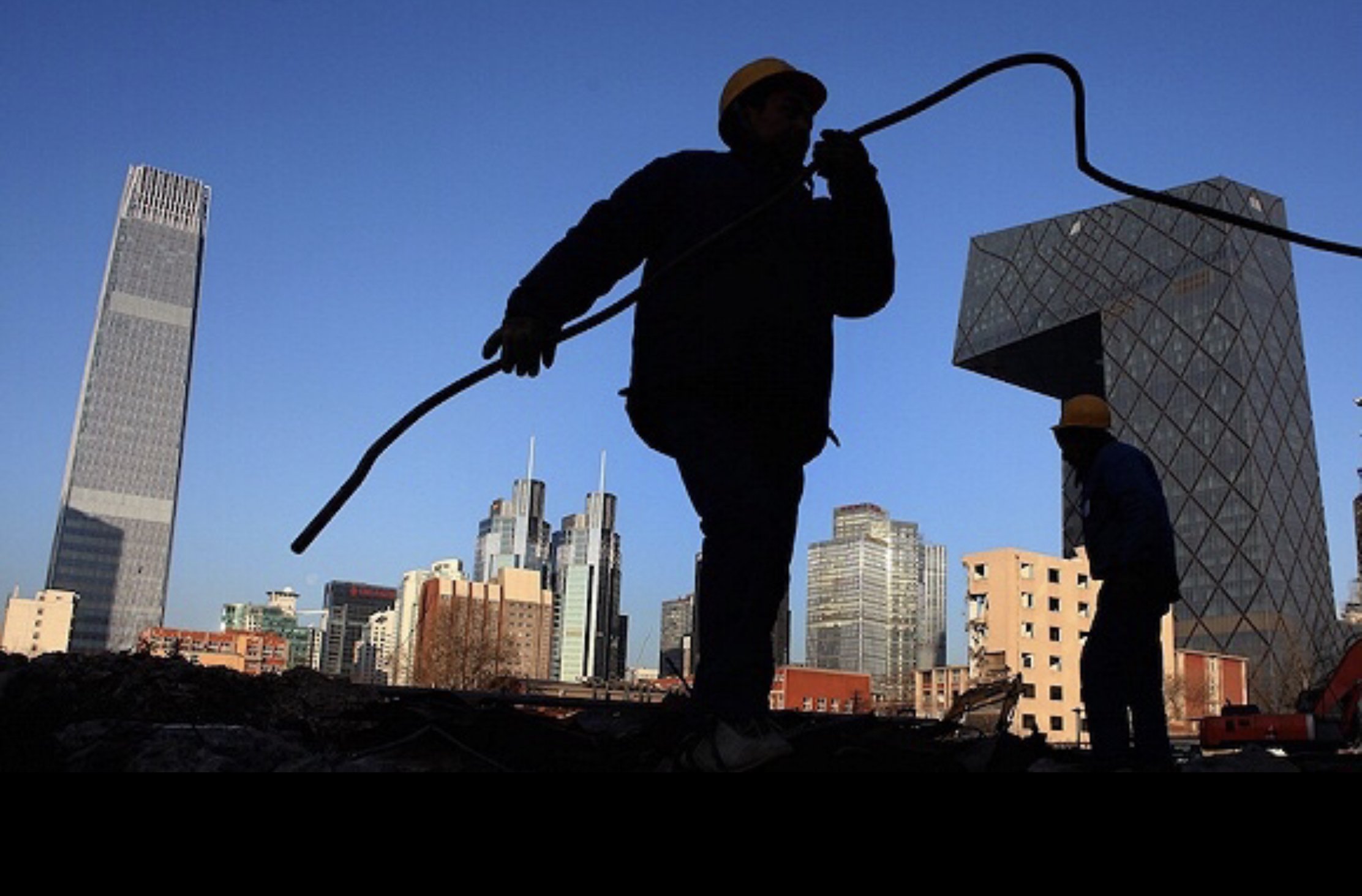
The scale of this challenge was underscored by Premier Li Keqiang in May. Following the annual parliamentary session, he revealed that approximately 600 million Chinese—nearly half the population—were living on a monthly income of 1,000 yuan (about US$150) or less in 2019. "One cannot even pay his rent with the money if he lives in a big city," Li stated in a nationally broadcast press conference, highlighting the difficulty of expecting this group to drive a consumption boom.
This revelation serves as a sobering counterpoint to narratives of a post-pandemic shopping surge in cities like Guangzhou and Shanghai. While upscale malls see queues, the broader economic picture is more complex. Official data shows China's 2019 per capita annual income was 30,733 yuan, or about 2,561 yuan per month. For rural residents, the figure was significantly lower at 16,000 yuan annually.
The issue is not just one of averages but of deep regional disparity. Wealth is concentrated in coastal provinces like Zhejiang, Guangdong, and Jiangsu. Zhejiang's per capita income neared 50,000 yuan last year, more than double that of Tibet. This inequality presents a structural hurdle to creating a unified, robust domestic market.
Global and Domestic Comparisons
On the global stage, China's economic might is tempered by its per capita standing. World Bank data for 2019 ranked China 61st in gross national income per capita at US$10,410, placing it in the middle-income category behind economies like Russia and Brazil. This contrasts sharply with figures for Japan (US$41,690) and Taiwan (US$26,514), underscoring the distance China must travel to achieve high-income status.
Internally, the cost of living, particularly housing, absorbs a disproportionate share of income. In downtown Beijing, average home prices reached around 90,000 yuan per square meter in the first half of this year. Compared to the capital's 2019 annual per capita income of 67,756 yuan, the math is stark, leaving little disposable income for other consumption. This dynamic, repeated in major urban centers, has led to calls for stricter regulation of real estate and banking sectors to cool speculation.
Advisors to the leadership recognize that systemic reforms are required. Fan Gang, a senior research fellow at the State Council's Development Research Center, argued in the Economic Daily that without addressing high taxes, pension contributions, and implementing land ownership reforms, China risks remaining trapped as a middle-income economy. His analysis aligns with a broader global reassessment of state-led growth models as China's influence expands.
Premier Li has advocated for specific policy adjustments to put more money in citizens' hands. He has proposed raising the monthly minimum taxable income threshold from 5,000 yuan to 6,500 yuan and making expenses like mortgages, tuition, and elder care tax-deductible. However, Finance Minister Liu Kun has cautioned that such reforms must be balanced against dwindling fiscal revenues in many provinces, highlighting the tight constraints policymakers face.
The debate over "internal circulation" occurs as China's economic relationships face external pressures. Strategies to secure growth and resources are evolving, as seen in the broader shift in energy security dynamics where China seeks a more anchored role. Furthermore, the use of economic tools in foreign policy, such as export controls, demonstrates how domestic economic priorities are intertwined with regional statecraft.
Ultimately, President Xi's turn toward domestic consumption as a primary economic engine is a strategic necessity amplified by global disruptions. Yet, its success hinges on translating national aggregate wealth into widespread household prosperity. Without substantial income growth and redistribution, particularly in less developed regions like Guizhou and Sichuan, the drive for "internal circulation" may lack the powerful domestic demand needed to steer China's economic ship toward its intended destination.