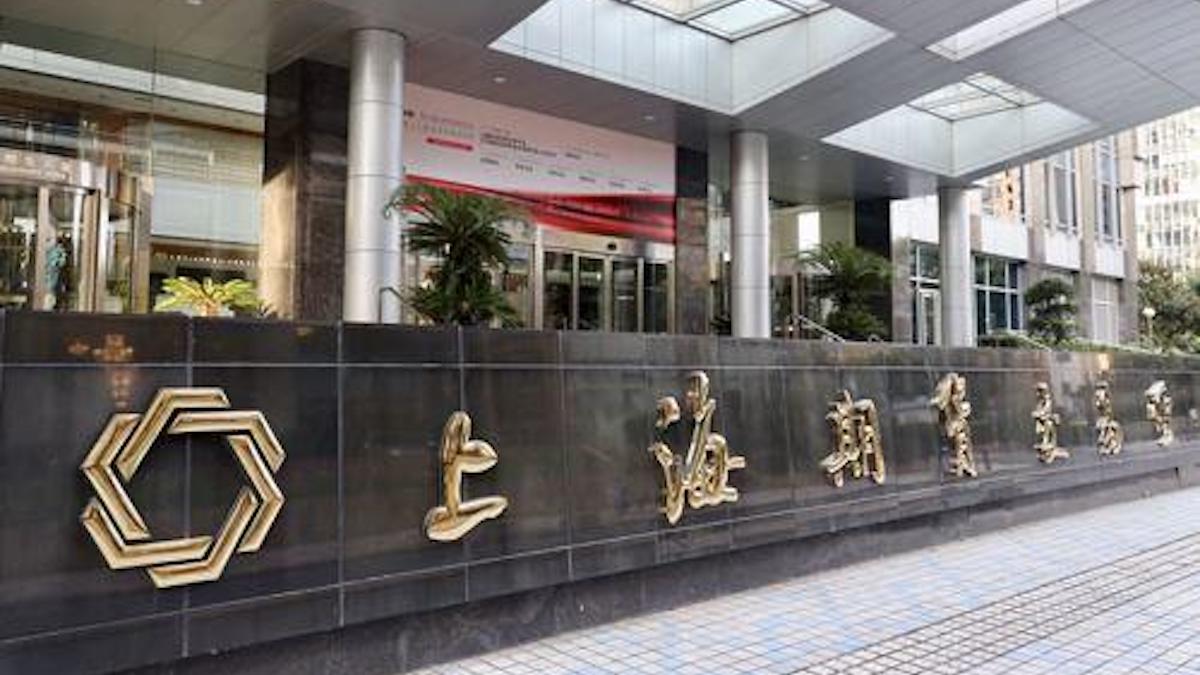
China's futures markets maintained robust momentum in July, with trading turnover surging more than 55% year-on-year according to industry data. The figures signal continued investor activity in the country's commodity and financial derivatives markets even as broader economic indicators show mixed performance.
Market Performance Details
The China Futures Association reported that trading volume across China's futures exchanges reached 567.65 million lots in July, representing a 36.77% increase compared to the same month last year. More significantly, the total turnover—the monetary value of all contracts traded—jumped 55.7% to 45.42 trillion yuan (approximately US$6.49 trillion).
For the first seven months of 2020 combined, the market has processed 3.089 billion lots, up 43.69% from the comparable period in 2019. Cumulative turnover for January through July stood at 210.89 trillion yuan, a 33.7% year-on-year expansion.
The standout performer was the China Financial Futures Exchange (CFFEX), which specializes in equity index and government bond futures. The CFFEX recorded turnover of 15.24 trillion yuan in July alone, a dramatic 147% increase from July 2019, making it the top exchange by value traded.
Logistics Sector Shows Steady Expansion
Separate economic data revealed China's logistics sector continued to expand in July, though at a slightly slower pace. The official Logistics Performance Index (LPI), compiled by the China Federation of Logistics and Purchasing, registered 50.9% for the month. While this indicates continued expansion (any reading above 50%), it marked a 4 percentage point decline from June's reading.
The LPI tracks multiple business factors including volumes, new orders, employment, inventory turnover, and equipment utilization. He Hui, director of the China Logistics Information Center, attributed the monthly dip primarily to seasonal factors rather than structural weakness.
"The growth momentum of express delivery businesses, boosted by online consumption, remained strong," He stated. The director noted that sub-indexes measuring new orders and business activity expectations both remained above the 50% threshold, suggesting companies maintain an optimistic outlook for future operations.
Central Bank Reaffirms Financial Opening
The strong futures market performance coincides with renewed policy commitments from China's central bank. The People's Bank of China (PBoC) announced on Monday it would "resolutely push forward the opening-up of the country's financial industry in a sound and orderly manner."
During a video conference outlining work priorities for the second half of 2020, the PBoC pledged to continue implementing previously announced financial liberalization measures. Key focus areas include fully implementing the "pre-establishment national treatment plus negative list" model for foreign investment administration, advancing renminbi internationalization, and progressing cautiously toward capital account convertibility.
The central bank also committed to unifying foreign exchange management policies for China's bond market opening and deepening involvement in global financial governance while safeguarding multilateralism. This policy direction suggests Beijing sees further integration with global financial systems as strategically important, even amid geopolitical tensions.
Regional and Global Context
The expansion of China's financial markets occurs against a complex regional backdrop. As global economic institutions reassess state-led growth models, China's financial deepening presents both opportunities and challenges for neighboring economies. The sheer scale of China's markets increasingly influences capital flows and investment patterns across Asia.
Meanwhile, China's growing financial capabilities intersect with its broader strategic interests. The country's economic policies cannot be divorced from its geopolitical positioning, particularly regarding critical supply chains and technological competition. For instance, parallel developments in sectors like fusion energy demonstrate how economic and strategic priorities are increasingly intertwined.
The data also emerges as Asian economies navigate uneven recoveries from the pandemic's effects. While China's futures market shows vigor, other indicators suggest ongoing challenges. The logistics sector's slight deceleration hints at potential soft spots in domestic demand and industrial activity.
Analysts will watch whether strong futures trading reflects genuine hedging needs by commercial enterprises, speculative activity, or a combination of both. The disproportionate growth at the financial futures exchange suggests increased activity around equity and interest rate derivatives, possibly indicating greater institutional participation or hedging against market volatility.
The PBoC's reiterated commitment to financial opening represents a consistent policy thread, suggesting that despite external pressures, China's leadership continues to view controlled integration with global finance as beneficial for long-term development and the renminbi's international role.