China's export engine demonstrated unexpected resilience in October, with official data showing a robust 11.4% year-on-year increase. This performance surpassed the 8.9% growth forecast by economists in a Bloomberg survey, extending a period of strength for the world's second-largest economy. The sustained growth is largely attributed to recovering consumption among China's major trading partners, even as the global pandemic continues to disrupt economic activity elsewhere.
However, the trade picture is not uniformly strong. Imports grew by a more modest 4.7% in October, falling short of the anticipated 8.8% rise. Analysts suggest a decline in import prices may have suppressed the headline figure. The data indicates a complex recovery, where external demand has provided a crucial lifeline while domestic consumption, a key focus for Beijing's economic planners, continues its gradual rebound.
Drivers and Divergences in Trade Data
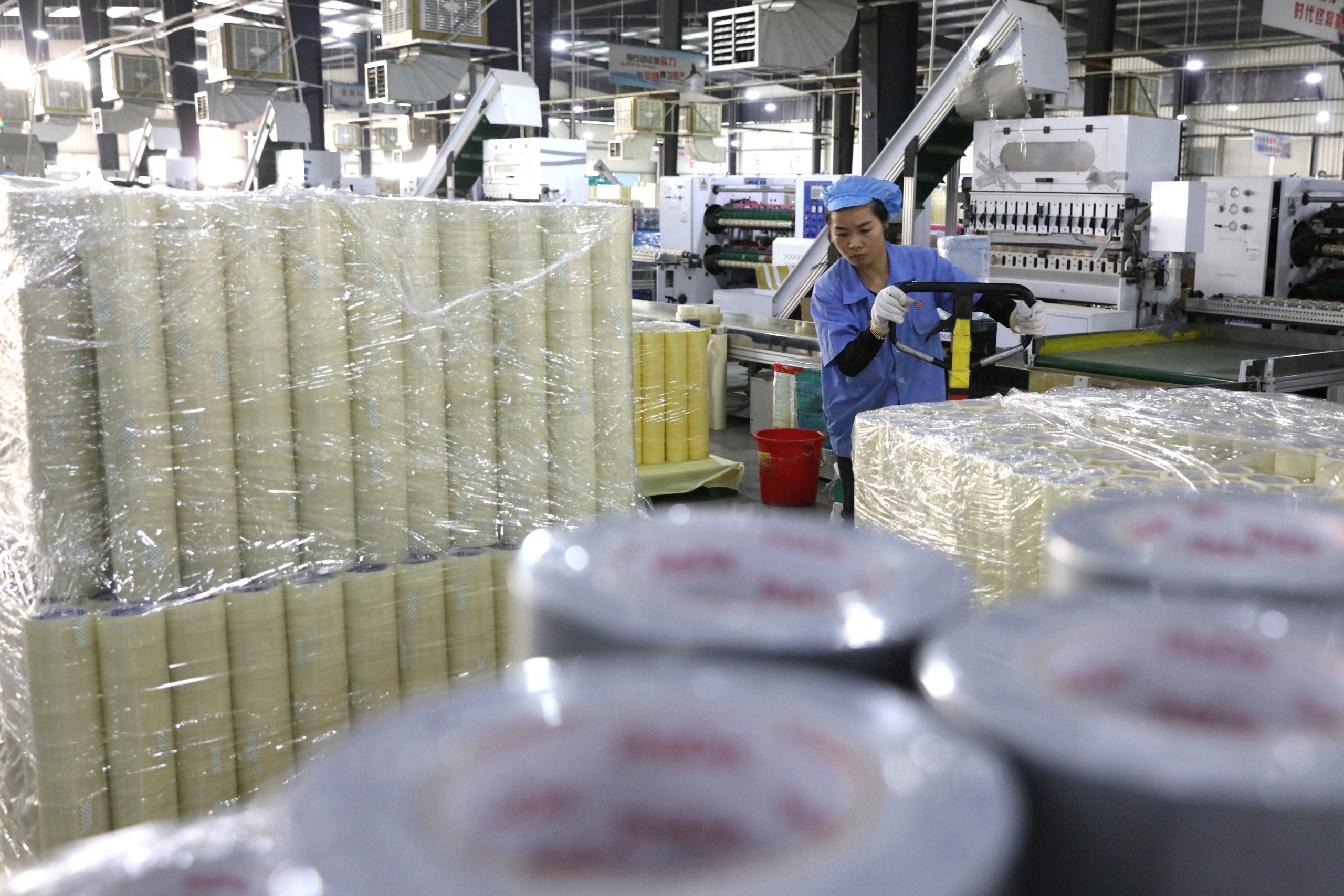
The General Administration of Customs highlighted specific sectors driving export growth. In the first ten months of the year, shipments of mechanical and electrical products posted significant gains. Notably, exports of textiles, including face masks, surged approximately 35% compared to the same period last year, underscoring how global healthcare needs have buoyed Chinese manufacturing during the crisis.
Despite the strong headline number, warning signs are emerging. The research firm Capital Economics pointed out in a recent report that data suggests a drop in new export orders during October. "Foreign demand has started to soften following fresh lockdowns abroad," the firm cautioned. This signals potential headwinds for Chinese factories in the coming months, as a resurgence of COVID-19 infections in key markets like the United States and Europe threatens to dampen external demand.
This potential softening abroad places greater emphasis on China's domestic market. "Most measures suggest that domestic demand continued to strengthen and the infrastructure investment at the heart of the ongoing stimulus is particularly import-intensive," Capital Economics noted. This dynamic helps explain the relative strength in imports, even as their growth rate cooled from September's surge.
Persistent Trade Surplus with the United States
A focal point of the monthly data remains China's trade relationship with the United States. In October, China's trade surplus with the U.S. widened to $31.4 billion, marking an increase of roughly 19% from the same month last year. This figure rose slightly from the $30.8 billion surplus recorded in September and represents one of the larger monthly surpluses this year, according to Chinese statistics.
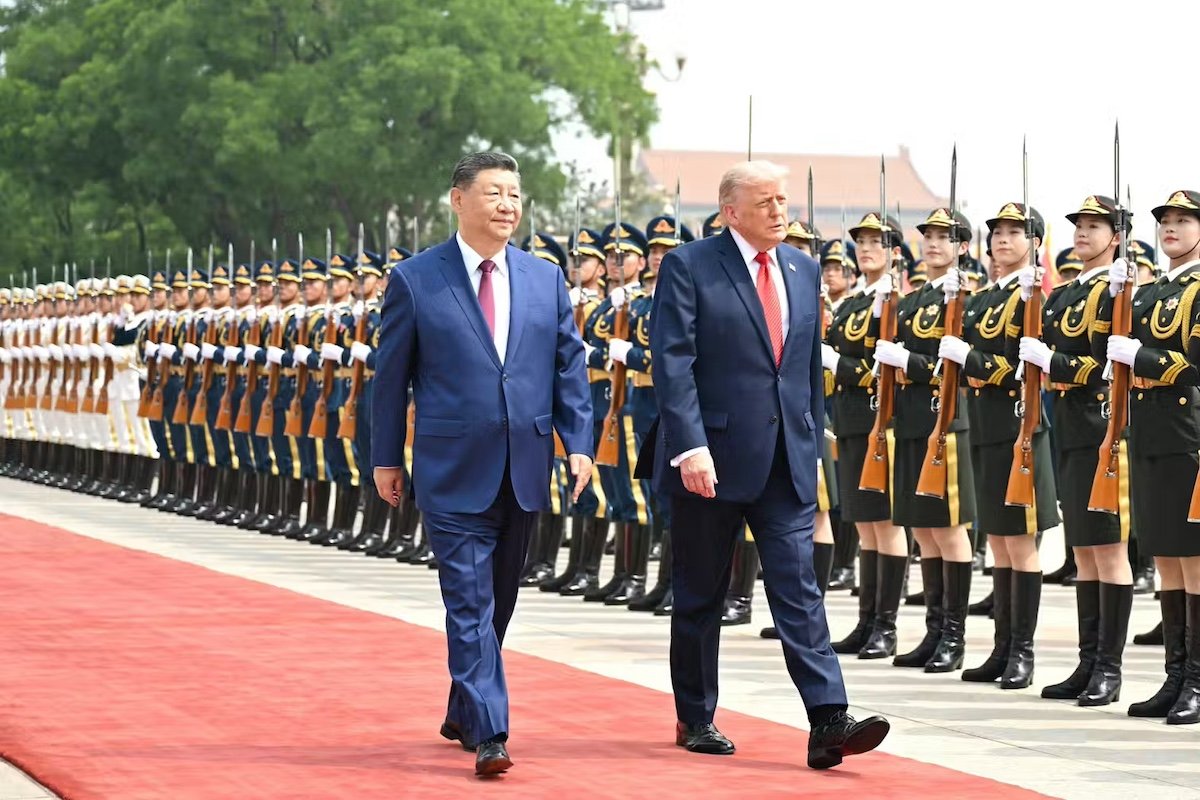
This persistent surplus is the core grievance that fueled the recent bruising trade war between Washington and Beijing. Its endurance highlights the deep structural links between the two economies and the limited impact that tariffs have had on rebalancing the trade flow. The data arrives as the new Biden administration evaluates its posture toward China's state-led economic model, which continues to exert significant influence on global trade patterns.
The broader context for China's trade is one of global realignment. As Western economies grapple with successive waves of the pandemic, China's early containment and industrial restart have allowed it to capture market share. However, this advantage may be temporary. The export strength comes as China's industrial capacity continues to reshape global trade, creating competitive pressures for other manufacturing hubs in Asia, from Vietnam to Indonesia.
Looking ahead, China's economic planners face a delicate balancing act. The export sector remains a vital source of growth and employment, but its future is tethered to uncertain pandemic recoveries in Europe and North America. Simultaneously, Beijing's "dual circulation" strategy aims to reduce this external dependency by fostering a more robust domestic consumer market and technological self-sufficiency.
Regional factors also loom. Geopolitical tensions and supply chain diversification efforts prompted by the US-China rivalry are prompting companies to reassess their manufacturing footprints across Southeast Asia. Furthermore, conflicts in other regions, such as the Middle East, have the potential to disrupt global logistics and energy prices. Analysts note that an escalation in Iran could exacerbate export slowdowns and strain economies throughout Asia that are linked to Chinese production networks.
October's trade data, therefore, offers a snapshot of an economy in transition. While exports have provided a powerful short-term buffer, the foundations of that strength appear increasingly vulnerable to external shocks. The coming months will test whether China's domestic demand can pick up the slack and provide a more stable, internally-driven path for growth, even as its factories continue to feed global markets.