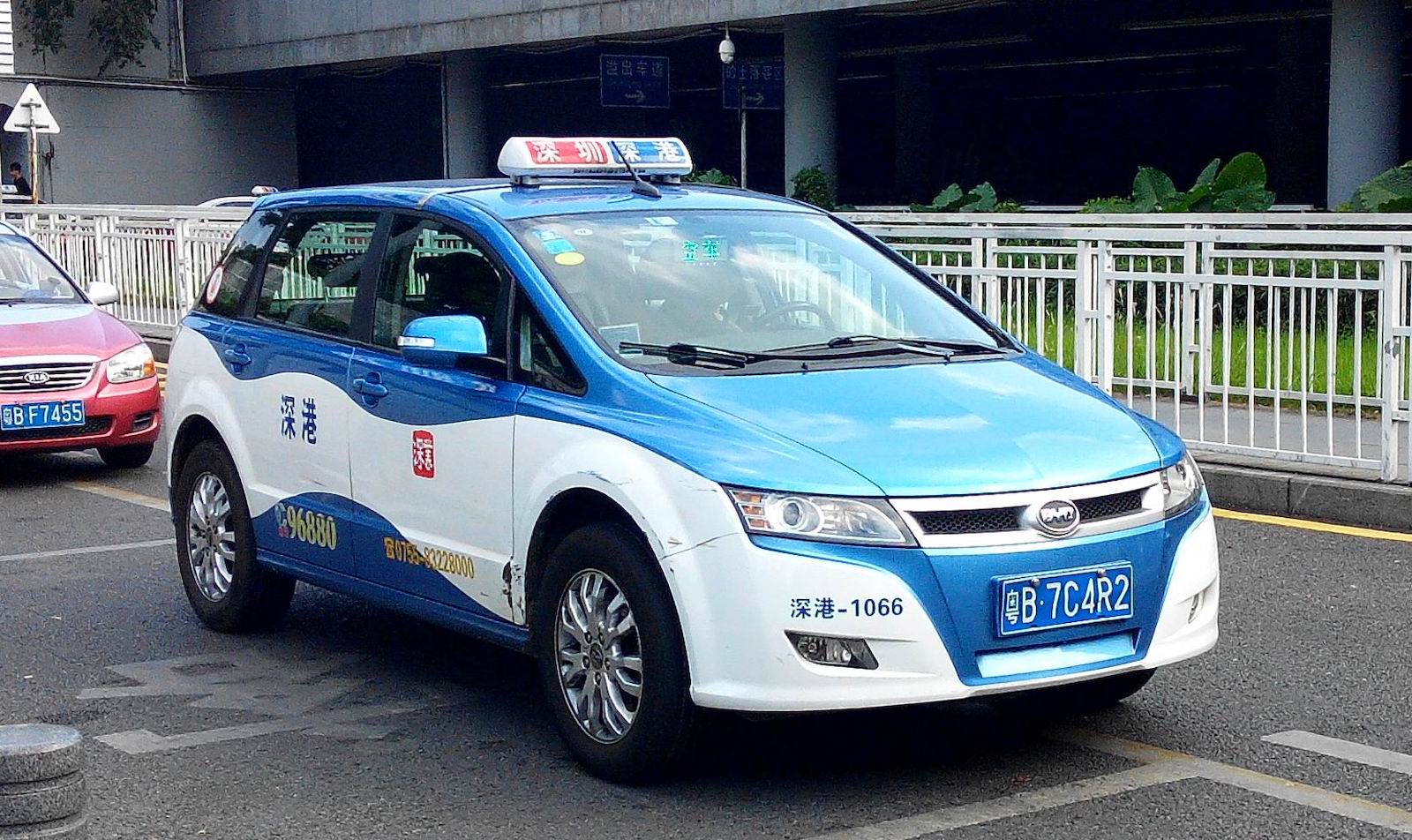
The Chinese government has laid out a comprehensive, long-term strategy to cement its position as a global leader in new energy vehicles (NEVs). Released by the State Council, the plan outlines ambitions for the sector through 2035, targeting technological self-sufficiency and industrial transformation.
A Roadmap for Automotive Transformation
The blueprint identifies five core strategic tasks: enhancing technological innovation, building new industrial ecosystems, promoting integration with other sectors like telecommunications, perfecting charging infrastructure, and deepening international cooperation. By 2025, the plan aims for NEVs to make up 20% of new vehicle sales and to reduce the average power consumption of new pure-electric passenger cars to 12 kilowatt-hours per 100 kilometers.
The long-term vision is more profound. By 2035, the State Council anticipates pure-electric vehicles will become the mainstream choice for new car buyers, with public transport fleets across the country transitioning exclusively to electrified options. This push builds on China's existing market strength; the country already accounts for 55% of global NEV sales and possesses the world's largest fleet of such vehicles.
Manufacturing Momentum Provides a Tailwind
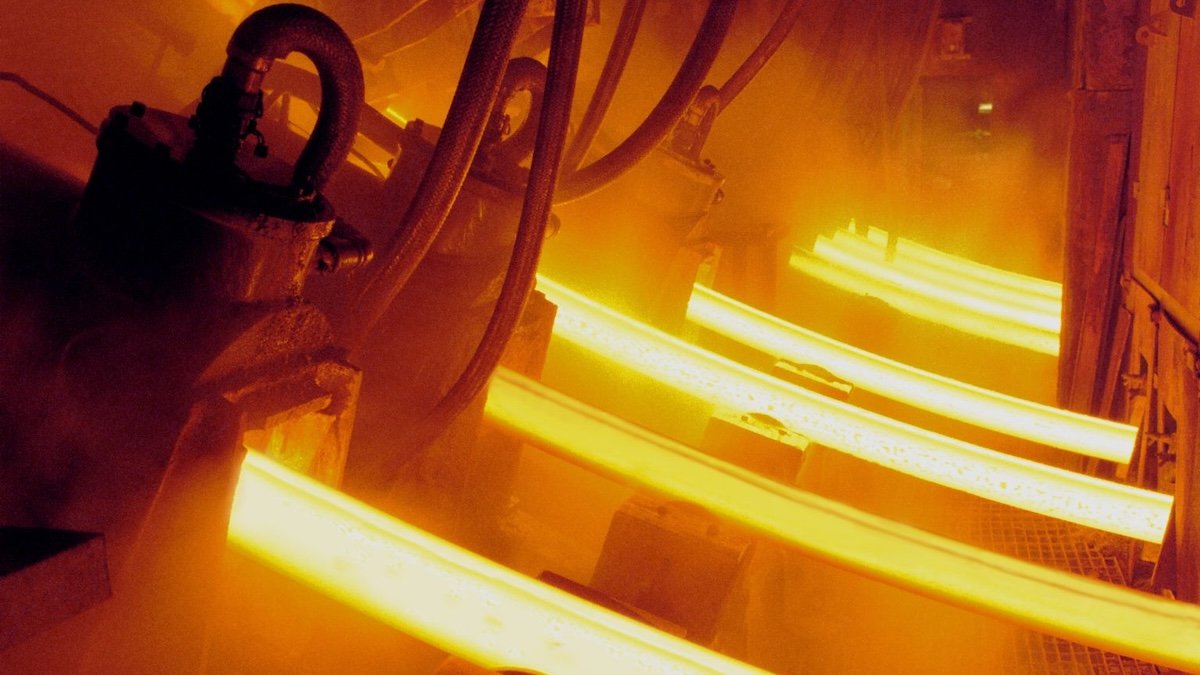
The industrial policy announcement coincides with robust economic signals. The Caixin China General Manufacturing Purchasing Managers’ Index (PMI), a key private gauge of factory activity, rose to 53.6 in October from 53.0 in September. This marks the sixth consecutive month of expansion and the fastest pace of growth recorded since January 2011.
Analysts attribute the strong rebound to resilient domestic demand, stimulus-driven infrastructure projects, and better-than-expected export performance. The data suggests China's vast industrial sector is recovering robustly from the pandemic's initial shock, even as the global economic outlook remains clouded by resurgent Covid-19 cases in Europe and North America. This manufacturing vigor provides a solid foundation for ambitious industrial plans like the NEV strategy, which will require massive production capacity and supply chain development. China's industrial policy often has ripple effects across global trade, a dynamic explored in our analysis of how industrial overcapacity reshapes global trade and pressures Asian economies.
Parallel Initiatives in Beijing and Regulatory Scrutiny
In a related development, the municipal government of Beijing is establishing a comprehensive demonstration zone in its Shunyi district to advance innovation in services and the digital economy. The zone will operate on a "3+7+N" model, focusing on seven key sectors including aviation services, cross-border finance, and digital trade within three core industrial areas like the Tianzhu Free Trade Zone.
Meanwhile, Chinese financial regulators demonstrated continued scrutiny over the country's powerful tech-finance sector. Officials from the People's Bank of China and three other regulatory bodies held talks with Ant Group's controlling shareholder Jack Ma, executive chairman Eric Jing, and executive director Simon Hu. The meeting underscores the government's focus on maintaining oversight as private financial technology giants expand their influence.
In corporate news, Tencent's flagship mobile game "Honor of Kings" reported a milestone of 100 million daily active users worldwide. The title also reclaimed its position as the world's highest-grossing mobile game in September, with monthly revenue reaching $240 million.
The confluence of a detailed industrial policy, strong manufacturing data, and targeted regulatory actions paints a picture of a Chinese economy simultaneously driving recovery and strategically positioning key sectors for long-term dominance. The NEV plan, in particular, signals intense future competition in a transformative global industry. As China advances its technological ambitions, its approach to international partnerships and energy security will be critical, much like its complex navigation of strategic waterways such as the Strait of Hormuz.