Turkish President Recep Tayyip Erdogan has long been admired for his strategic acumen, but his recent diplomatic victories may be sowing the seeds of future trouble. From Libya to Somalia, and across the Balkans, Ankara has reasserted its influence in regions once dominated by the Ottoman Empire. Yet, as Erdogan's reach expands, so too does the complexity of the challenges he faces.
A widening footprint
In Libya, Turkey has effectively replaced Italy as the key power broker in Tripolitania, gaining a say in the security of the Sicilian Channel. In Somalia, Turkish military and economic presence has grown significantly. Even in the Balkans, where Muslim-majority communities form a 'green backbone' across the region, Turkish soft power is on the rise. This is all achieved with a GDP considerably smaller than Italy's, prompting uncomfortable comparisons: either Ankara's strategy is exceptionally effective, or Rome's policy is wasteful.
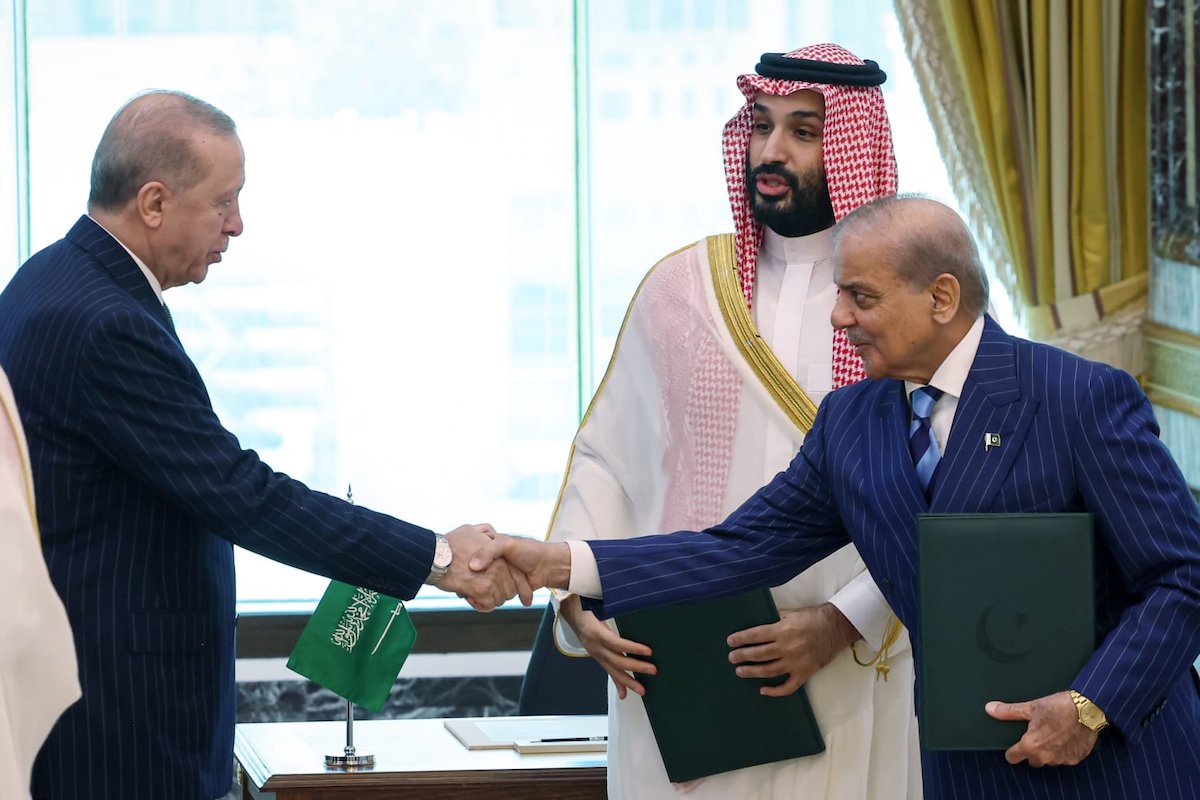
The recent strategic pact signed in Jeddah with Saudi Arabia and Pakistan marks a new phase. This agreement links Pakistan, the only recognized Islamic nuclear power, with Turkey, which boasts NATO's second-largest land army and a defense industry that pioneered drone warfare. Saudi Arabia's financial muscle could fund even the most ambitious military innovations. Together, these three states form a formidable bloc, but one that carries significant geopolitical baggage.
Israel and the Arab Risorgimento
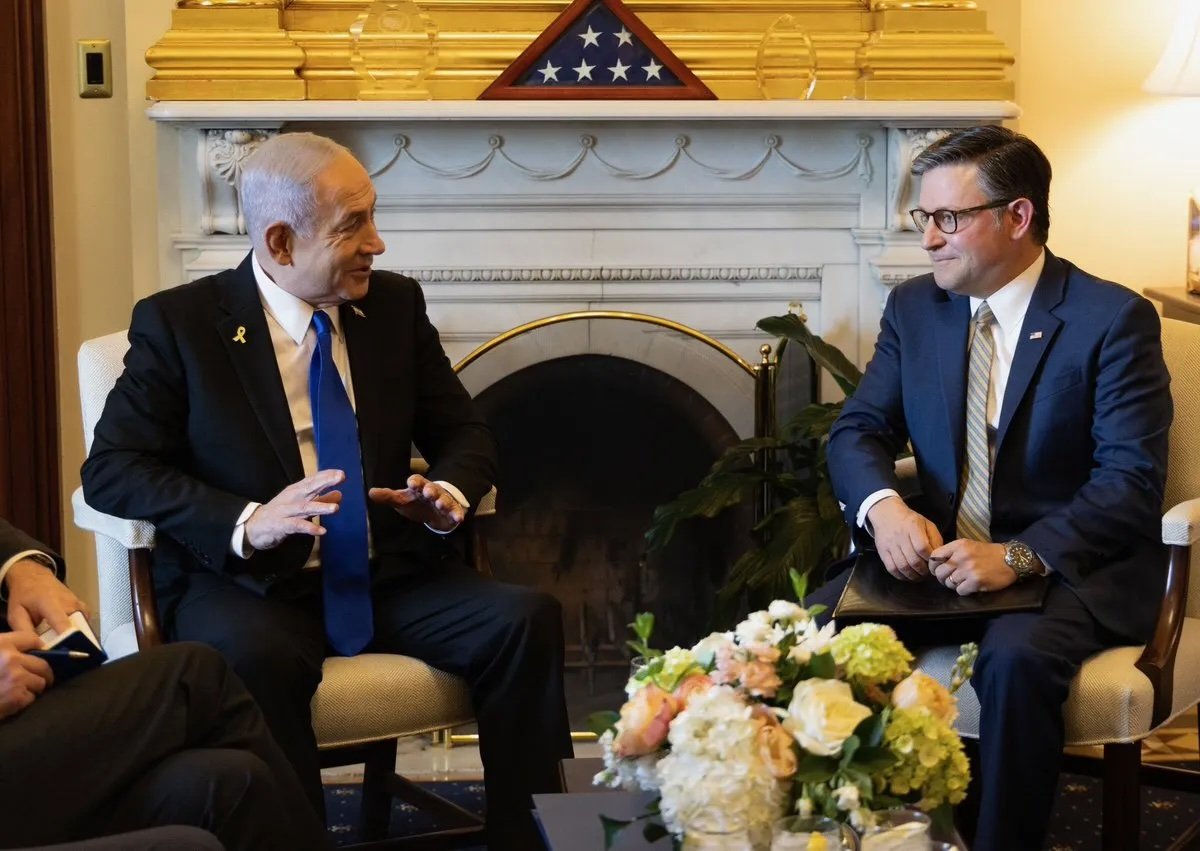
For Israel, this concentration of Islamic military and economic power is a direct concern. Erdogan has positioned himself as a champion of the Palestinian cause, and his government has pursued legal action against Israeli Prime Minister Benjamin Netanyahu. The Jeddah pact, coming just days after such moves, signals a potential shift in the regional balance of power.
Moreover, the pact intersects with the broader 'Arab Risorgimento'—a movement that emerged from the Arab Spring, dreaming of a unified Sunni Arab sphere, as envisioned by T.E. Lawrence in his 'Seven Pillars of Wisdom.' That vision was originally anti-Ottoman, and today, Egypt, which represents nearly half of the world's Sunni Arab population and leads the Arab League, has notably stayed out of the Jeddah agreement. Cairo may be cultivating its own projects, potentially at odds with the pact's signatories.
Iran has reacted with immediate hostility, viewing Saudi Arabia, Pakistan, and Turkey as too closely aligned with Washington to be trusted. Tehran has extended its influence over several smaller states and maintains a grip on the Muslim Brotherhood and its offshoots, positioning itself as a counterweight to any Sunni consolidation.
A divided Sunni world
The result is a real risk of the Sunni world splitting into two competing camps: one led by Turkey, with its neo-Ottoman ambitions, and another potentially steered by Egypt or the Muslim Brotherhood, pursuing the Risorgimento ideal. This fragmentation is bad news for Israel, whose strategic perimeter has expanded to include three hostile medium powers, each ready to challenge Jerusalem's vision for the region.
For Erdogan, the diplomatic wins are undeniable, but they come with strings attached. The Jeddah pact may bolster Turkey's standing, but it also alienates Egypt and provokes Iran, creating a more volatile environment. As Ankara navigates these new alliances, it must contend with the very forces it has helped to stir.
In the broader Indo-Pacific context, these developments echo the strategic realignments seen elsewhere, such as the global shift away from US leadership and the Makkah pact as a strategic hedge. Turkey's moves are part of a wider pattern of middle powers asserting autonomy, a trend that also shapes South Korea's path to strategic autonomy.
Ultimately, Erdogan's successes may prove to be a double-edged sword. The very agreements that expand Turkey's influence also entangle it in a web of rivalries and historical grievances. As the Sunni world contemplates its future, Ankara must navigate a path that avoids the pitfalls of overreach.