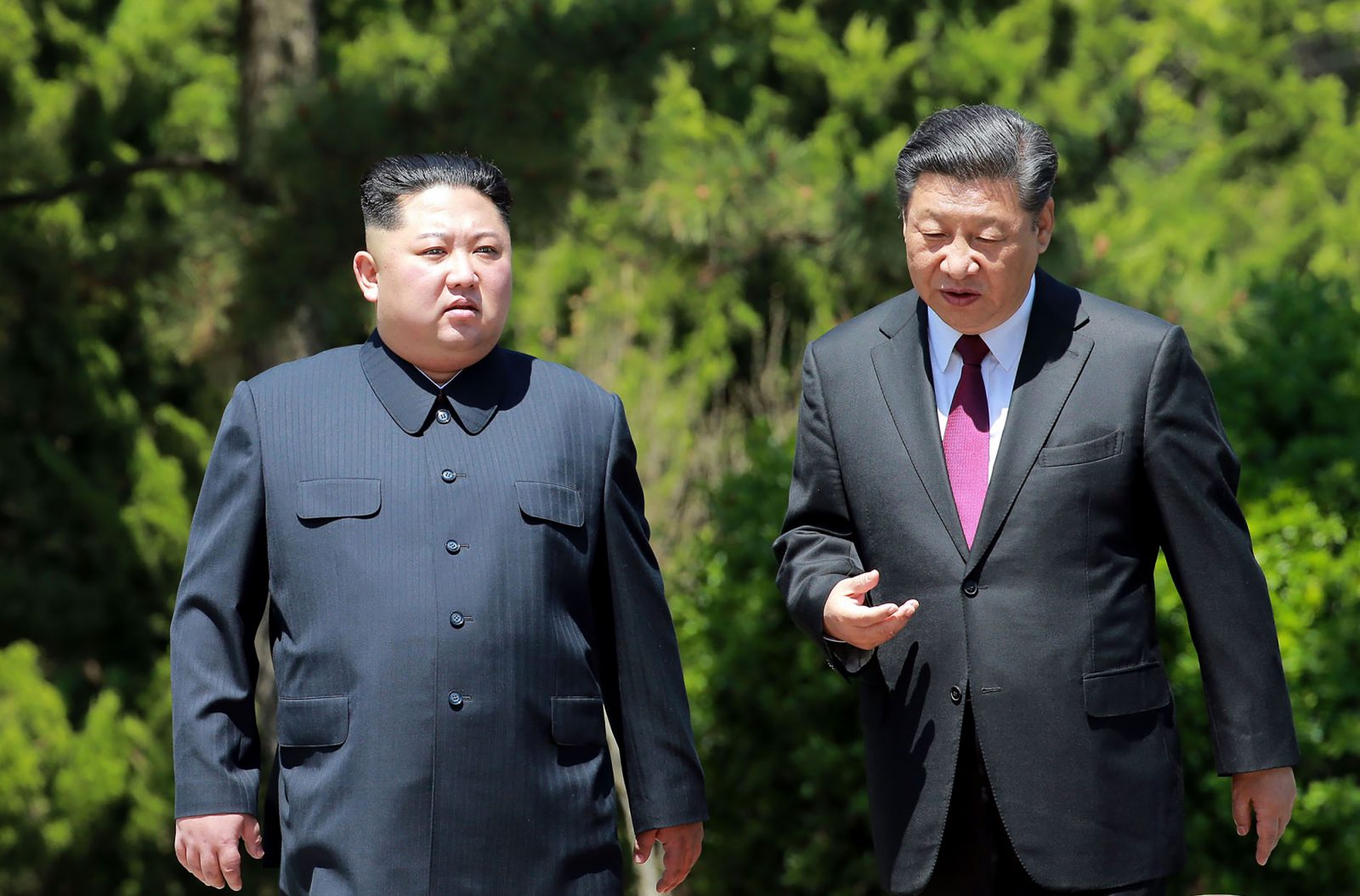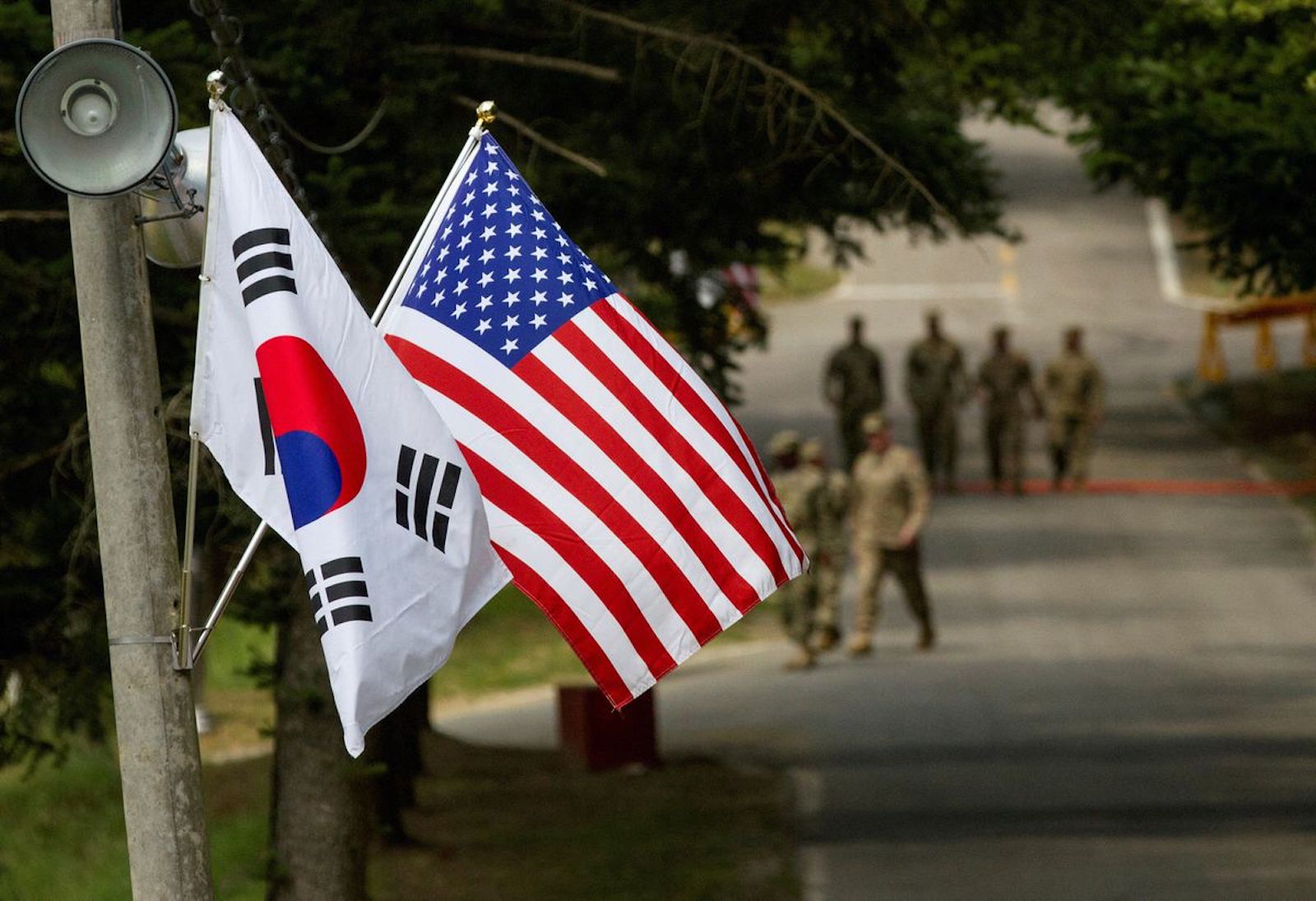
When President Donald Trump announced on August 16, 2026, that the joint Ulchi Freedom Shield (UFS) exercises would be drastically reduced, the decision landed like a thunderclap across the Indo-Pacific. The announcement, posted to social media just hours before 18,000 South Korean troops were to begin maneuvers, cited cost savings, a claimed personal rapport with Kim Jong Un, and frustration over President Lee Jae-myung's refusal to commit Seoul's forces to operations against Iran. For Seoul, the message was unmistakable: the security guarantee that has underpinned the peninsula's stability for over seven decades can be revoked at the whim of a single foreign leader.
This transactional approach to alliance management has fundamentally altered the strategic calculus in Northeast Asia. Extended deterrence, once considered the bedrock of South Korea's defense, now looks less like a protective umbrella and more like a conditional arrangement subject to Washington's domestic politics. As Trump's second term accelerates a global shift away from US leadership, South Korea must confront a stark reality: absolute reliance on the American defense umbrella has become an existential vulnerability.
The American dilemma and the OPCON question
Washington's directive has forced the issue of Wartime Operational Control (OPCON) transfer to the forefront. While Full Operational Capability (FOC) evaluations are due in 2026, South Korea's military remains critically dependent on US intelligence, surveillance, and reconnaissance (ISR) capabilities. Without independent satellite coverage to track North Korea's mobile missile launchers and underground facilities, Seoul would face dangerous blind spots in any conflict scenario.
The solution lies in accelerating the deployment of low-Earth-orbit micro-satellite constellations and integrating AI-driven target recognition. But these are long-term investments, not immediate fixes. In the interim, South Korea's ability to assume operational command remains compromised, a fact that Washington's unilateralism has now made painfully clear.
The paradox of K-Defense
South Korea's defense industry has enjoyed remarkable export success, ranking 10th globally with a US$47.6 billion budget in 2024. Yet this apparent strength masks a deep dependency: 86% of arms imports between 2020 and 2024 came from the United States, and flagship platforms like the KF-21 fighter and FA-50 light attack aircraft rely on US-licensed engines and components. Under the International Traffic in Arms Regulations (ITAR), Washington retains effective veto power over South Korean arms sales to third countries.
True self-reliance requires aggressive domestic component substitution and diversification of supply chains toward NATO partners. But this is a generational project, not a quick fix. As Seoul's economy comes under strain from shifting US priorities, the financial burden of such transformation will only grow.
The nuclear option
At the strategic level, the conventional Three-Axis System and the Hyunmoo-5 ballistic missile are insufficient against a nuclear-armed adversary. The threat of preemptive escalation from Pyongyang makes conventional deterrence inherently fragile. Public opinion reflects this anxiety: 76% of South Koreans support an independent nuclear capability, though only 30-40% of strategic experts agree, fearing international sanctions and economic isolation.
The pragmatic middle path is nuclear hedging: developing civilian uranium enrichment and spent fuel reprocessing capabilities to shorten the breakout time should Seoul ever decide to weaponize. This approach preserves options without crossing the threshold, but it carries diplomatic risks, particularly with Washington and Beijing.
Regional and domestic constraints
Strategic autonomy also demands navigating a complex web of regional and domestic pressures. South Korea's demographic crisis, with the world's lowest fertility rate, threatens the sustainability of conscription-based forces. Transitioning to a professional, tech-centric military will require raising defense spending to 3.0-3.5% of GDP, even as fiscal demands for an aging population mount.
Regionally, a reduced US presence forces Seoul to manage relations with China without Washington as a counterweight. A doctrine of structural hedging—fortifying asymmetric maritime defenses like SLBM-equipped submarines while maintaining diplomatic neutrality—can signal that South Korea's autonomy is about sovereignty, not containment. Similarly, without Washington's mediating role, ties with Japan could fray over historical grievances, or conversely, shared threats could spur direct intelligence-sharing and an autonomous East Asian security axis.
The erosion of trust between the Pentagon and Seoul's Ministry of National Defense is perhaps the most corrosive outcome of Trump's decision. When joint exercises are cancelled via social media, institutional confidence evaporates. South Korea must now chart a course that reduces dependence on an unpredictable ally while preserving the alliance where it still serves national interests. The road ahead is fraught, but the imperative is clear: self-reliance is no longer an academic debate but a survival strategy.