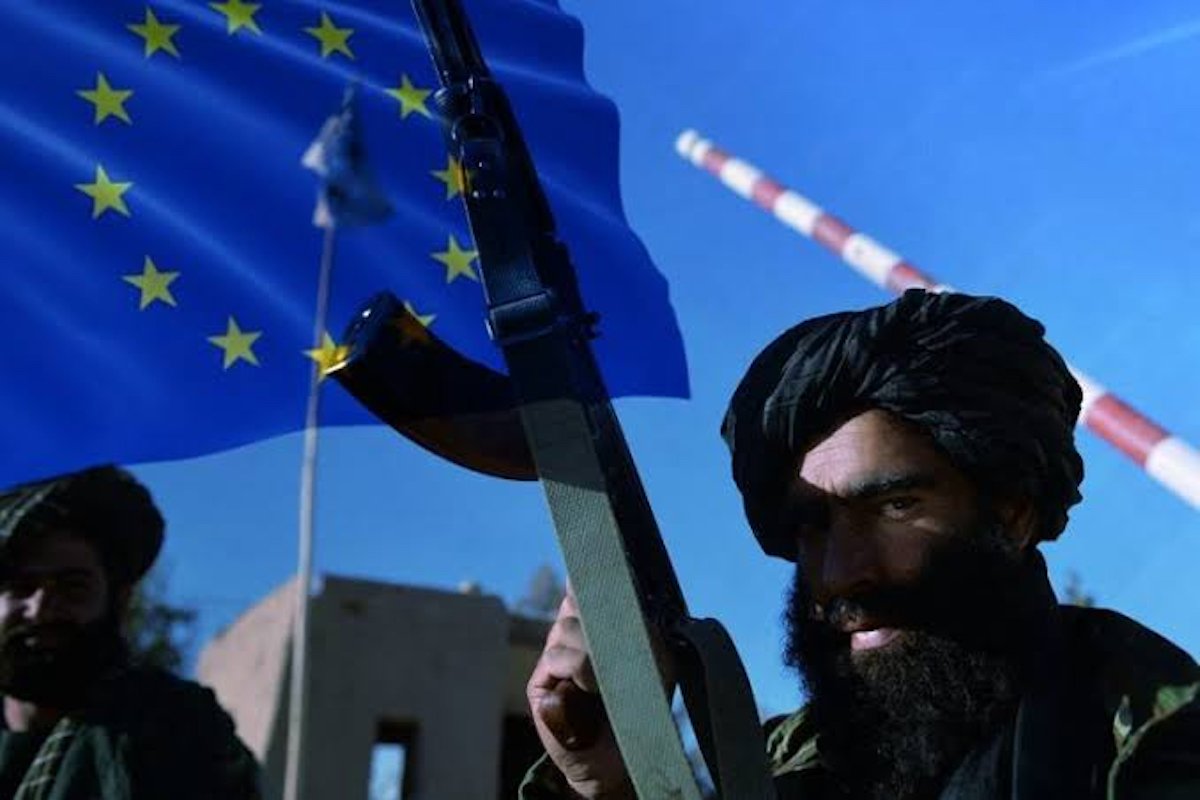
On June 23, the European Union hosted a five-member Taliban delegation in Brussels, a move that signals a quiet but significant shift in Europe's approach to Afghanistan's de facto rulers. The meeting, led by Taliban Foreign Ministry spokesman Abdul Qahar Balkhi, was the first EU-hosted engagement with the Taliban on European soil since the group seized power in August 2021 following the US military withdrawal.
European officials were quick to frame the discussions as purely technical, focusing on migration, consular affairs, and the return of Afghan nationals whose asylum claims have been rejected. Belgian authorities, who facilitated the visit as hosts of EU institutions, stressed that the meeting should not be interpreted as political recognition of the Taliban government. The delegation was granted visas with limited territorial validity, and the talks were held away from official EU premises—a clear attempt to manage the optics of the encounter.
Yet the very fact that the meeting took place in Brussels, the heart of European diplomacy, cracks the facade of a principled policy that has long insisted on non-recognition until the Taliban meets conditions on human rights, security, and political inclusion. No major agreements emerged, but the discussions exposed a central dilemma for European policymakers: how to engage with a regime they condemn while managing practical concerns like migration flows and consular services for Afghans in Europe.
The Doha Shadow
The Brussels talks unfolded against the backdrop of the 2020 Doha Agreement, which set international expectations for the Taliban during the final phase of Western military presence in Afghanistan. Under that accord, the Taliban committed to preventing Afghan territory from being used as a base for terrorist groups, denying sanctuary to organizations like al-Qaeda, and supporting a political process toward a more inclusive order.
Nearly six years later, many governments—including EU member states—argue that key Taliban commitments remain unfulfilled. Political power remains concentrated within the Taliban's leadership, with no meaningful inclusion of women, ethnic minorities, or other political factions. The killing of al-Qaeda leader Ayman al-Zawahiri in a Taliban-controlled area of Kabul in August 2022 raised serious doubts about counterterrorism assurances. The Taliban's new English-language propaganda outlet, Al-Mirsad, further suggests an effort to shape international perceptions rather than deliver on substantive reforms.
For Asian observers, the EU's engagement carries broader implications. The Taliban's return to power has reshaped security dynamics across South and Central Asia, from Pakistan's concerns about cross-border militancy to India's fears of a Taliban-allied Pakistan deepening its influence in Kabul. China, meanwhile, has pursued its own pragmatic engagement with the Taliban, seeking economic opportunities and security guarantees. The EU's move, however cautious, risks legitimizing a regime that has imposed severe restrictions on women's education and employment, and that continues to harbor transnational militant actors.
The meeting also highlights a growing divergence between European and US approaches. Washington, still scarred by the chaotic 2021 withdrawal, has maintained a policy of no diplomatic recognition while engaging the Taliban through the Doha channel. The EU's Brussels talks, though technically focused, represent a step toward normalization that could complicate transatlantic coordination.
For now, the EU insists that the talks were a one-off, driven by practical needs. But the precedent is set. As migration pressures mount and consular backlogs grow, the temptation to deepen engagement will only increase. The question is whether Europe can maintain its stated principles—or whether the facade of a principled policy will continue to crack under the weight of realpolitik.