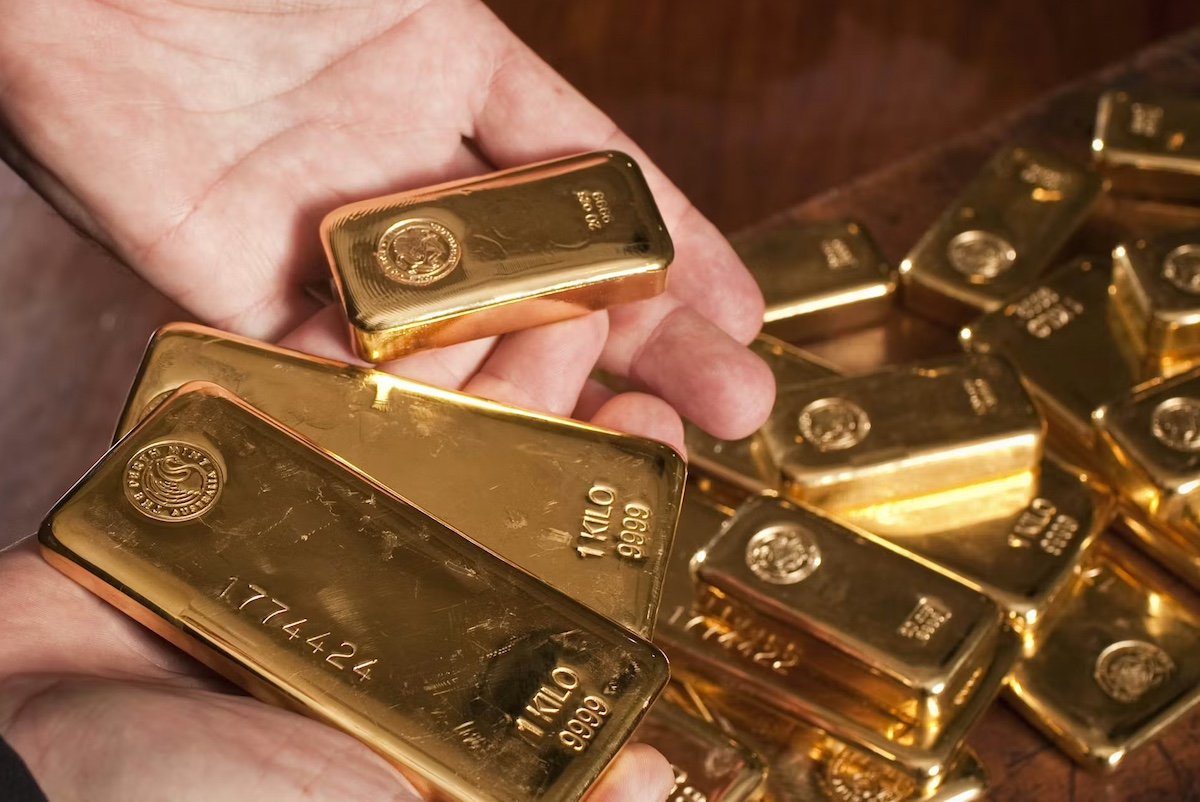
For centuries, gold has been viewed as the ultimate financial sanctuary during periods of global instability. Yet recent months have delivered a stark lesson: the precious metal's behavior during geopolitical storms can be volatile and unpredictable, defying its traditional safe-haven narrative.
After reaching a record high near US$5,600 per ounce in late January—roughly double its value from a year prior—gold has shed approximately 20% of its value. This significant retreat occurred precisely as major conflict erupted in the Middle East, a development that would typically be expected to send investors flocking toward gold's perceived safety.
The Mechanics of Modern Crisis Investing
To understand this counterintuitive movement, one must examine how contemporary financial markets operate. Investors typically seek two types of protective assets: hedges and safe havens. A hedge is an investment that generally moves inversely to the broader market over the long term, like carrying an umbrella daily. A safe haven, however, is an asset investors rush to only during sudden, extreme market stress—a storm shelter used solely during a hurricane.
Historical analysis, including a 2016 study, showed gold possessed safe-haven qualities for equity markets in nations like the United States, Germany, and Australia. During the 2008 financial crisis and the 2011 U.S. credit rating downgrade, gold proved more stable than other commodities, cushioning against catastrophic losses. Crucially, those shocks originated within the financial system itself.
The current crisis is fundamentally different. It represents a massive energy shock, driven by interrupted oil supplies and damaged infrastructure in the Middle East. This distinction is key to understanding gold's recent performance.
Why an Oil Shock Disrupts the Golden Rule
Conventional wisdom suggests that during war, inflation spikes, or market crashes, a 'flight to quality' occurs, with capital moving from risky assets to safer ones like gold. However, newer research incorporating data from events like the COVID-19 pandemic presents a more nuanced picture. Gold remains a destination for nervous capital, but it is not an impervious vault.
Instead of standing apart from market panic, gold can absorb volatility from both equity and energy markets, which can depress its price. Several factors drive this. Market chaos can force large institutional investors to sell gold holdings to cover losses elsewhere or meet financial obligations like margin calls. For others, the preceding price rally presented a prime opportunity to take profits and rebalance portfolios.
Furthermore, in a severe crisis, global industry faces a stark choice between commodities. Gold, while valuable, lacks the essential intrinsic utility of oil. There is limited industrial demand for bullion compared to the energy required to power economies. When forced to choose, the market's fundamental need for oil can outweigh its attraction to gold. This dynamic is particularly relevant for major Asian economies like China, India, and Japan, which are heavily dependent on imported energy and whose central banks are significant holders of gold reserves.
The ongoing regional stalemate between the US, Iran, and Israel underscores the persistent risk to energy flows through critical chokepoints like the Strait of Hormuz, keeping this pressure on asset valuations.
The Double-Edged Sword of Financialization
The very nature of gold investment has transformed, compounding its price sensitivity. Over decades, gold has become intensely 'financialized.' Today, most exposure comes not from physical bars, but from 'paper' gold—complex derivative instruments and exchange-traded funds (ETFs) that track the metal's price.
This speculative layer means gold prices are now dictated by far more than physical supply and demand. They are woven into the fabric of global finance. Because investors often hold gold derivatives alongside conventional stocks, the risk of exposure to common market shocks has drastically increased. A crisis that hits equities can now trigger immediate, automated selling in gold-linked financial products, creating a downward spiral.
This financial interconnectedness means events in Western policy can have immediate ripple effects. For instance, the stance of the U.S. Federal Reserve on interest rates directly impacts the opportunity cost of holding non-yielding gold. The scrutiny on central bank independence in major economies adds another layer of uncertainty for institutional gold strategies.
The recent price action serves as a potent reminder: in today's interconnected markets, no asset is an island. Gold's role is evolving from a simple safe haven to a complex financial instrument, deeply influenced by energy geopolitics, speculative flows, and the very market turmoil it was once thought to defy. For Asian investors and central banks monitoring both inflation and currency stability, this new volatility requires a more sophisticated risk calculus.
Moreover, the shifting foundations of global trade, including discussions around the potential rise of petroyuan benchmarks, could reshape the long-term relationship between commodities, currencies, and traditional stores of value like gold.