More than four decades after the Gwangju Uprising, a persistent narrative among South Korean conservatives seeks to tie the pro-democracy movement to North Korean infiltration. This effort, which began even before the violence erupted in May 1980, has resurfaced with renewed vigor in recent years, despite a lack of credible evidence.
In the days leading up to the uprising, then-Prime Minister Shin Hyon-hwack told journalists on May 10, 1980, that a “close ally” had warned the government that North Korea’s elite Eighth Army Corps had evaded surveillance. He suggested the unit might appear in South Korea between May 15 and May 20. At the time, this reporter, then with the Baltimore Sun, investigated and found the claim to be false, publishing a story under the sarcastic headline, “Where is the Large North Korean Army Unit?”
Old Theories, New Advocates
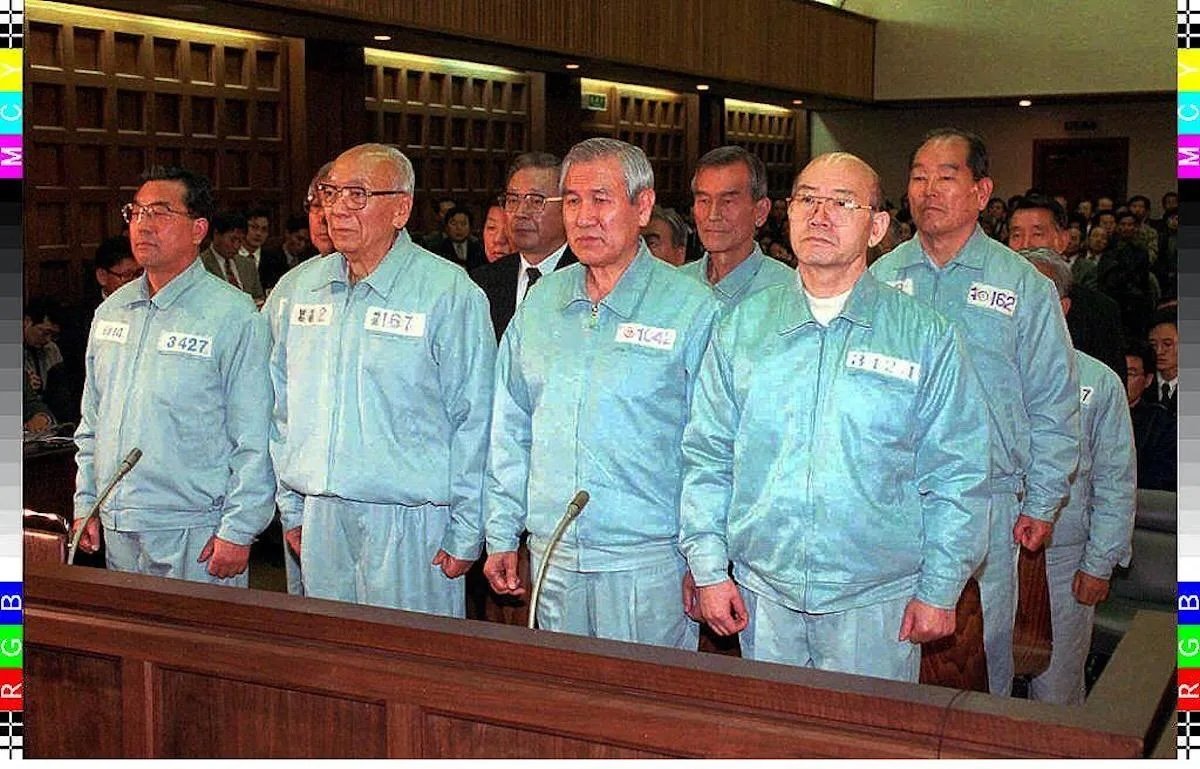
Today, the conspiracy theories have evolved but remain rooted in the same impulse: to absolve the military regime of Major General Chun Doo-hwan of responsibility for the atrocities committed during the 10-day uprising in Gwangju. Some arguments are easily dismissed, such as the assertion that officers from the Korea Military Academy could never commit such acts. Others, however, are more sophisticated and come from individuals considered level-headed in other contexts.
One such acquaintance points to the logistical capabilities of the protesters. She notes that driving military vehicles, such as armored personnel carriers and large trucks, requires special training and licenses—skills she claims were scarce among ordinary South Koreans at the time. The protesters reportedly stole 779 vehicles, including 328 from Asia Motors, 34 military vehicles, 50 police vehicles, and 367 regular vehicles. This, she argues, suggests the involvement of trained infiltrators.
However, this reasoning overlooks key facts. Gwangju was a center for vehicle production, and many residents had military service experience. Park Nam-sun, the 26-year-old leader of the local people’s fighting force, was a transport worker—a freelance trucker, according to later accounts. He would have known many drivers. Similarly, the use of explosives at the provincial capitol building could be attributed to South Korean military veterans among the protesters.
Another conservative commentator suggests that North Korean leader Kim Il Sung, still smarting from the failure of his 1950 invasion, would have ensured some agents were present in Gwangju. While this is a logical assumption, it remains speculation. The pro-North Korean faction within the South Korean student movement at the time could have collaborated with such agents, but concrete evidence is lacking.
The persistence of these theories reflects a broader political struggle in South Korea over the legacy of the Gwangju Uprising. For decades, the event has been a symbol of resistance against authoritarianism, and efforts to undermine its narrative are part of a larger conservative push to rehabilitate the Chun Doo-hwan era. As North Korea's domestic repression fuels its foreign aggression, such conspiracy theories risk distracting from the real lessons of Gwangju.
Ultimately, the burden of proof lies with those making the claims. Until credible evidence emerges, the Gwangju Uprising remains a testament to the courage of South Korean citizens who stood up to military dictatorship—not a stage for North Korean puppeteers.