In January 2025, Essa Youssef Essa Al Duhailan, then Saudi Arabia's ambassador to Bangladesh, publicly recalled a missed opportunity: between 2016 and 2018, Saudi Aramco sent high-level delegations to Dhaka three times to explore investments, including an oil refinery. Yet, as the ambassador noted, the delegations received little serious attention and encountered entrenched bureaucratic resistance.
That revelation initially sparked hopes that a Saudi-backed refinery might finally materialize, easing Bangladesh's chronic energy insecurity. But enthusiasm faded as Dhaka failed to translate diplomatic warmth into concrete negotiations. Despite continuing to buy Saudi crude on commercial terms, Bangladesh appeared stuck on the sidelines, unable to convert a strategic relationship into a tangible investment.
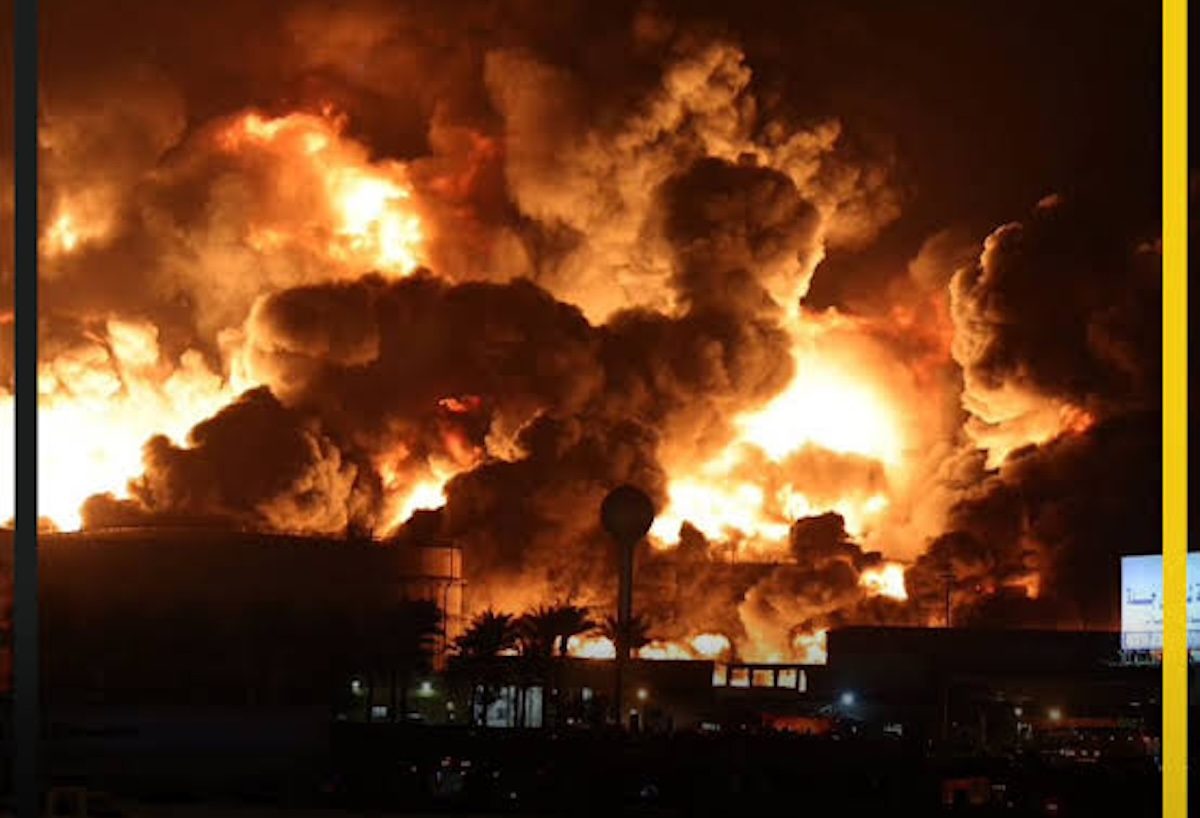
The pattern is familiar. Bangladesh similarly let Samsung slip away to Vietnam, a cautionary tale of missed industrial opportunity. Now, with Aramco's refinery still a possibility, the geopolitical shocks of 2026—including the US-Israeli war on Iran, the closure of the Strait of Hormuz, and Houthi attacks on Saudi domestic refineries—have made the question urgent: what would it take for Bangladesh to bring Saudi investment back to the table?
An energy system exposed to external shocks
Bangladesh's case for expanding domestic refining is compelling. According to Bangladesh Petroleum Corporation (BPC) figures reported in 2026, annual petroleum demand stands at about 7.2 million metric tons, with roughly 92% met through imports. Eastern Refinery Limited (ERL), the country's sole state-owned refinery, processes about 1.5 million tons annually—covering only a fifth of national fuel demand.
The imbalance is stark. Bangladesh imports large volumes of finished diesel, furnace oil, octane, and jet fuel, while also importing crude for domestic processing. BPC's 2023–24 annual report recorded about $4.20 billion spent on imported refined products; including crude, the total petroleum import bill reached approximately $5.04 billion.
These figures underscore the economic stakes. A significant share of foreign exchange goes to securing fuel for transport, agriculture, manufacturing, and power generation. International price spikes, shipping disruptions, and geopolitical tensions quickly translate into pressure on reserves, higher operating costs, and inflation.
The vulnerability is not theoretical. In 2026, disruptions to crude shipments through the Strait of Hormuz contributed to operational difficulties at Eastern Refinery. Bangladesh's dependence on imported fuel means that even a disruption thousands of kilometres away can affect domestic energy availability.
A new refinery would not eliminate this exposure—Bangladesh would still import crude, and prices would remain tied to global markets. Yet greater refining capacity could reduce reliance on imported finished products, improve supply flexibility, and retain more value domestically.
Eastern Refinery expansion: necessary, but is it enough?
The government has taken an important step. On 3 September 2026, Bangladesh and the Islamic Development Bank signed a $1 billion financing agreement for the modernization and expansion of Eastern Refinery. The wider project, valued at about $2.5 billion, is expected to add three million tonnes of annual refining capacity, bringing total capacity to 4.5 million tonnes.
According to the Islamic Development Bank, the expansion could save approximately $394 million in foreign exchange annually by reducing imports of refined products. It is also projected to lower the cost of major petroleum products by around 5% and enable production meeting Euro 5 fuel standards, replacing the current Euro 2 grade.
These are substantial gains. Yet against annual demand of 7.2 million tons, even a fully operational 4.5-million-ton refinery would not eliminate the need for imported fuels. Nor does nominal capacity equal actual supply: performance depends on crude availability, maintenance, product yields, and operating efficiency.
The Eastern Refinery expansion should therefore be seen as a foundation, not a final answer. Whether an additional Saudi-backed refinery would be worthwhile requires rigorous demand forecasts, cost-benefit analysis, and comparison with alternative investments. But the prospect deserves serious examination before Bangladesh's future options narrow further.
Why Saudi Arabia might still be interested
For Saudi Arabia, a refinery in Bangladesh could offer more than an outlet for crude oil. Aramco's global strategy includes integrating upstream production with downstream refining and marketing. Bangladesh's growing energy demand and strategic location in South Asia make it an attractive market.
Moreover, the Houthi strikes on Saudi infrastructure have exposed vulnerabilities in the Kingdom's own refining capacity. Diversifying refining assets abroad could reduce the impact of such attacks on Saudi domestic operations. In that sense, the Houthi campaign may inadvertently make Bangladesh a more appealing investment destination.
For Dhaka, the window is open but narrowing. The government must move beyond diplomatic pleasantries and engage Aramco with concrete proposals, streamlined approvals, and credible incentives. As Bangladesh's energy crisis demands pragmatism, the time to act is now.
If Bangladesh can learn from past failures—both with Aramco and Samsung—it might finally turn a missed opportunity into a strategic partnership that strengthens its energy security for decades to come.