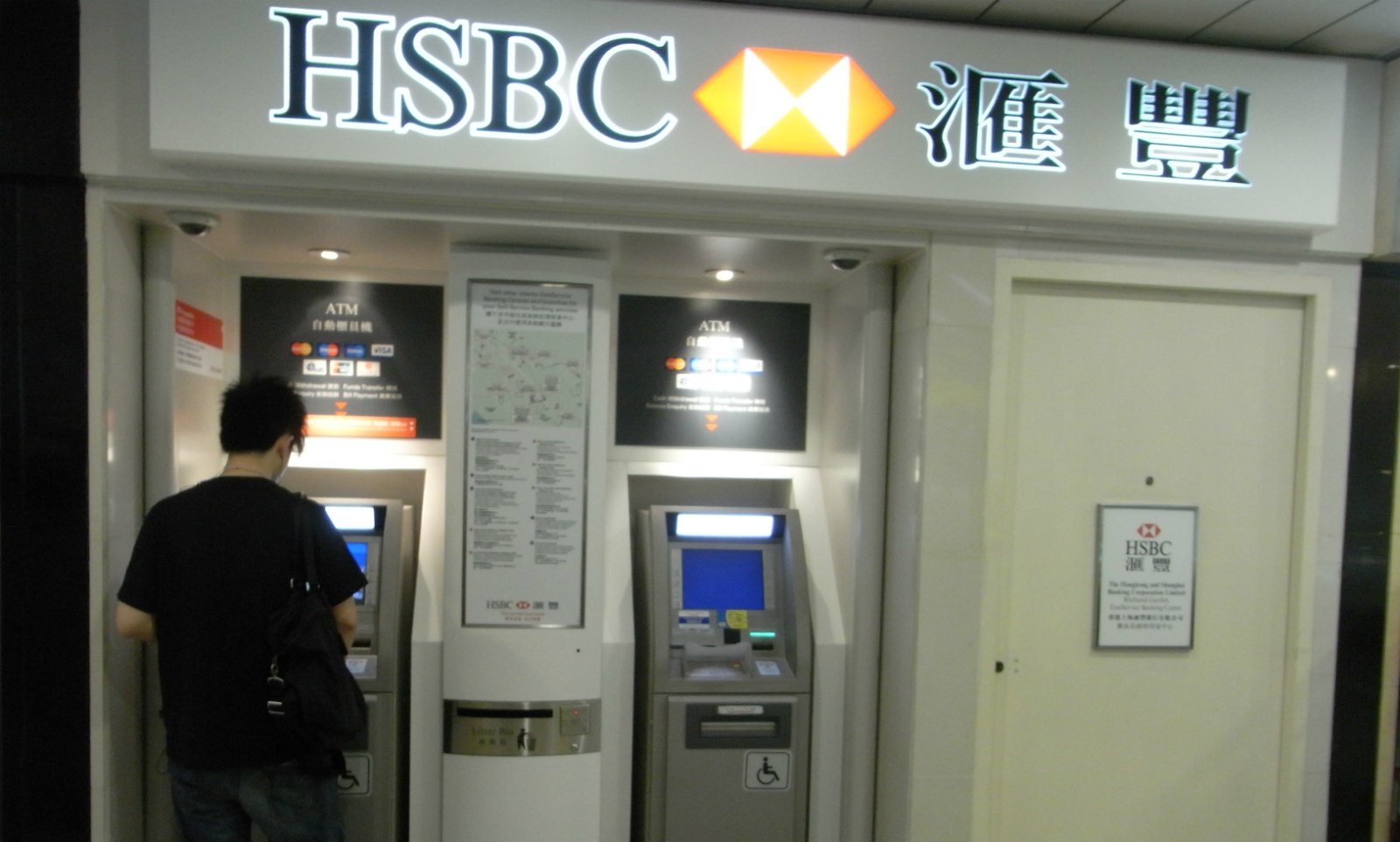
HSBC Holdings PLC announced on Tuesday a sharp 46% year-on-year decline in its third-quarter post-tax profit, underscoring the profound challenges facing the global banking sector and particularly institutions with deep roots in Asia. The bank reported a profit of $2 billion for the quarter, with revenue down 11% to $11.9 billion.
The results reflect the ongoing weight of the COVID-19 pandemic on the world economy, as renewed outbreaks in Europe and the United States threaten a fragile recovery. For HSBC, however, the economic shock is compounded by its unique structural position. As a primary financial conduit between China and Western economies, the bank is acutely exposed to the escalating tensions between Beijing and Washington.
A Strategic Pivot Amid Sustained Pressure
In response to these dual pressures, HSBC is accelerating a sweeping global transformation. The plan, which aims to cut approximately 35,000 jobs by 2022, represents a fundamental shift in strategy. Chief Executive Noel Quinn stated the bank is moving its focus "from interest-rate sensitive business lines towards fee-generating businesses, and further reducing our operating costs." He described the latest quarterly figures as "promising results against a backdrop of the continuing impacts of Covid-19 on the global economy."
This characterization points to a relative improvement from the first half of 2020, when post-tax profits collapsed by 69%. The modest rebound in the third quarter coincided with the easing of lockdown restrictions in some major economies. Yet, the underlying financial health of the bank and its clients remains under severe strain.
A critical indicator is the ballooning provision for expected credit losses. HSBC reported this figure had risen to $13.7 billion by September, a significant jump from the $8.7 billion recorded at the end of 2019, just before the pandemic began. This increase signals the bank's anticipation of a rising tide of client defaults as businesses and individuals struggle with the economic fallout.
Geopolitics as a Persistent Headwind
Beyond the pandemic, HSBC's fortunes are inextricably linked to the geopolitical climate in the Indo-Pacific. Its substantial operations in Hong Kong and mainland China make it vulnerable to policy shifts from Beijing, while its status as a London-headquartered bank subjects it to regulatory scrutiny in the West. This positioning turns every diplomatic friction between China and the United States or its allies into a potential operational and reputational risk for the bank.
The strain is evident as the bank navigates a landscape where financial systems are increasingly viewed through a lens of strategic competition. This environment complicates the bank's core function of facilitating cross-border capital flows and trade, particularly between its key markets in Asia and Europe.
The broader context of US-China competition is reshaping global finance, with implications for currency markets and energy trade. Some analysts argue that the petroyuan's rise will be driven by geopolitical crises, not gradual shifts, a dynamic that could further pressure Western-centric financial institutions. Meanwhile, technological rivalry is another front, with the US and China competing to build fusion energy supply chains, forcing a European choice.
HSBC's restructuring, therefore, is not merely a cost-cutting exercise but a strategic recalibration for a world where economic and political lines are being redrawn. The bank's ability to maintain its role as a bridge between East and West will depend on its skill in managing these divergent pressures.
The bank's performance is a bellwether for the integration of Asian financial markets with the global system. Its struggles highlight how regional tensions, from the Taiwan Strait to the South China Sea, can have direct and material consequences for international business. Similarly, security dynamics, such as the protracted stalemate likely in the US-Iran-Israel conflict, can create volatility that affects global banks with wide exposure.
As HSBC moves forward with its transformation, the fourth quarter offers little respite. With Europe confronting a second wave of infections and the US presidential election injecting further uncertainty into international relations, the bank's geographic spread may continue to be a source of vulnerability as much as strength. Its journey through the pandemic and the new era of great-power competition will be closely watched as a test case for global finance in the Asian century.