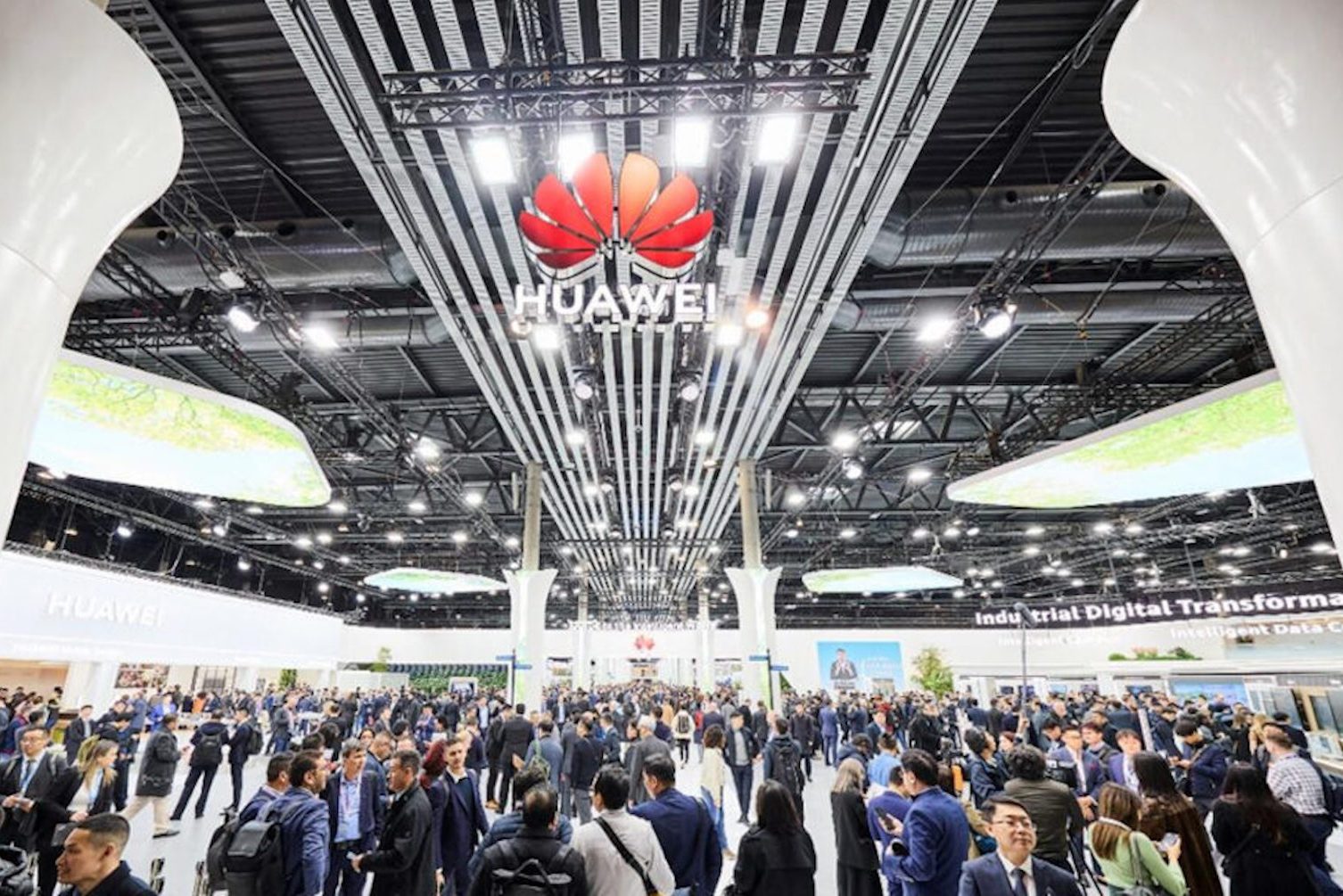
After nearly three months of testimony in a federal courtroom in Brooklyn, the fate of Chinese telecom giant Huawei now rests with a jury. Deliberations began overnight in the Eastern District of New York, where prosecutors have accused the company of racketeering conspiracy, bank fraud, wire fraud, and trade secret theft spanning two decades, from 2000 to 2020.
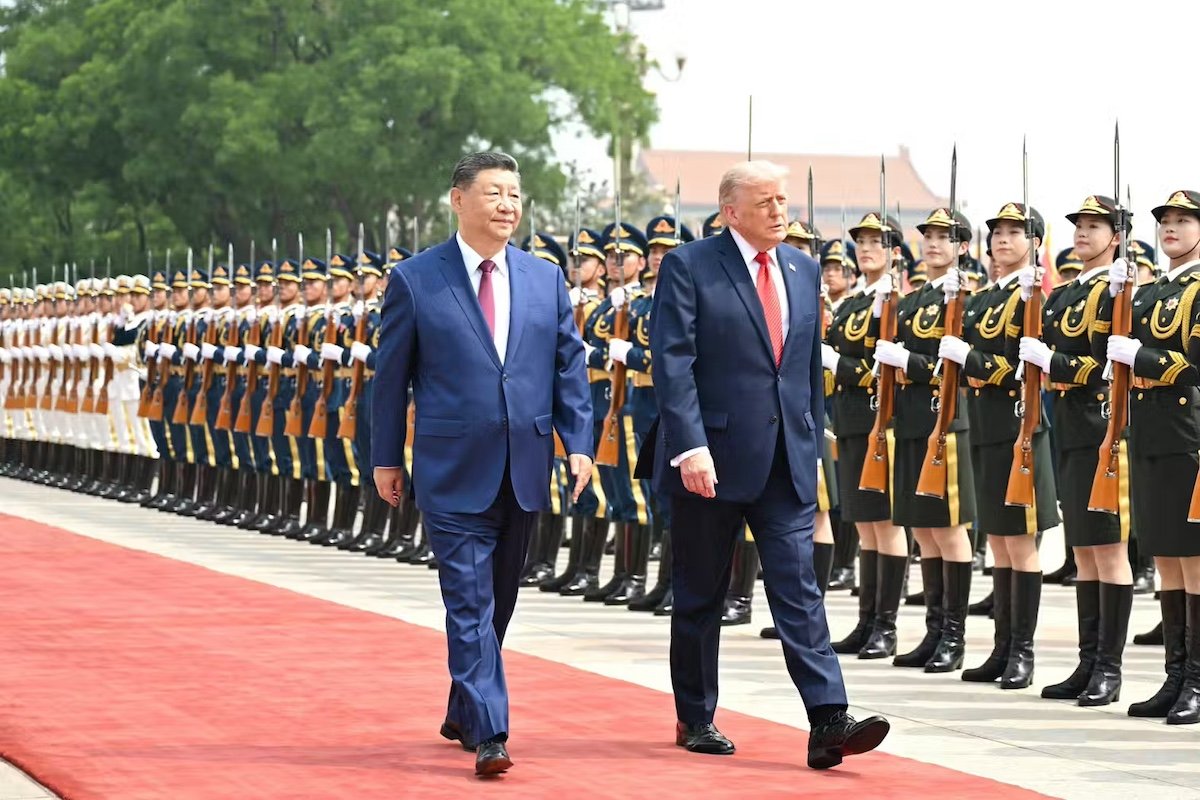
The timing is politically charged. The jury started its work just as US President Donald Trump, Chinese leader Xi Jinping, and Russian President Vladimir Putin were preparing to meet at the APEC summit in Shenzhen. The case unfolds against a backdrop of escalating US export controls on advanced Nvidia chips to China and renewed American concerns about Chinese business dealings with Iran.
Those export controls have pushed Beijing to pursue self-reliance in artificial intelligence chips, with Huawei playing a central role. China has also grown more assertive in resisting US secondary sanctions, a theme that runs through the prosecution's case.
Analysts say a guilty verdict would likely be portrayed in Beijing as another example of American economic bullying. Yet the practical consequences for Huawei may be modest, given that the company is already barred from using US technology in many of its products and faces extensive sanctions.
What the prosecution did not allege
Notably absent from the charges is any accusation that Huawei used backdoors in its network equipment to spy on Americans. US officials have long described Huawei as a national security threat, but prosecutors apparently concluded that such explosive claims—never independently confirmed as a technical matter—could not be proven in court.
Instead, the government's case rests on three pillars. First, five specific instances of trade secret theft from US competitors, including Cisco router software, a T-Mobile testing robot arm, and photos of Fujitsu products at a trade fair. Second, bank fraud allegations that Huawei hid information about its Iran business from its banks. Third, a sweeping racketeering charge under the RICO statute, painting Huawei as a fundamentally corrupt organization whose rise was built on criminal activity.
Defense lawyers countered that Huawei's success came from competition, innovation, and ordinary business dealings—not conspiracy or theft. They pointed to the company's massive investment in research and development: more than 110,000 of its 210,000-plus employees work in R&D, and Huawei invested over $100 billion in R&D during the two decades in question. Its patent portfolio spans more than 120,000 patent families worldwide, and it partners with major firms like Apple, Samsung, and IBM. In 2025, R&D spending exceeded 20% of total revenue, placing Huawei among the top ten global investors in research.
On the trade secret allegations, the defense acknowledged isolated misconduct by specific employees in the Cisco and Fujitsu incidents but argued these were violations of company policy that Huawei addressed appropriately. They dismissed the other claims as cherry-picked and unsupported by the evidence.
The Meng Wanzhou shadow
The bank fraud element once again brought Huawei CFO Meng Wanzhou, daughter of founder Ren Zhengfei, into the spotlight. Her 2018 arrest in Vancouver at Washington's request—coinciding with a Trump-Xi dinner at the G20 in Buenos Aires—triggered a diplomatic crisis. The key evidence was a PowerPoint presentation she gave to HSBC bankers in 2013, which prosecutors said omitted key facts about Huawei's Iran operations through cutout companies.
During extradition proceedings, it emerged that HSBC was fully aware of the relevant facts, undercutting the US case. When a Canadian judge voiced concerns, the US Department of Justice quickly reached a deferred prosecution agreement with Meng, allowing her to return to China after nearly three years of house arrest. The defense now argues that Meng's DPA statements were not a confession and should not be treated as an admission by Huawei.
The case also resonates with broader regional dynamics. As Taiwan moves to criminalize AI chip exports to China, and with Japan's defense buildup hitting fiscal limits, the verdict could further strain an already tense tech ecosystem. Some analysts see parallels with Iran's covert playbook, though Huawei's case is rooted in corporate conduct rather than state espionage.
Whatever the jury decides, the case marks a milestone in US efforts to hold a Chinese corporate giant accountable in an American courtroom. The verdict will be watched closely in Beijing, Washington, and capitals across the Indo-Pacific, where Huawei remains a major supplier of telecom infrastructure.