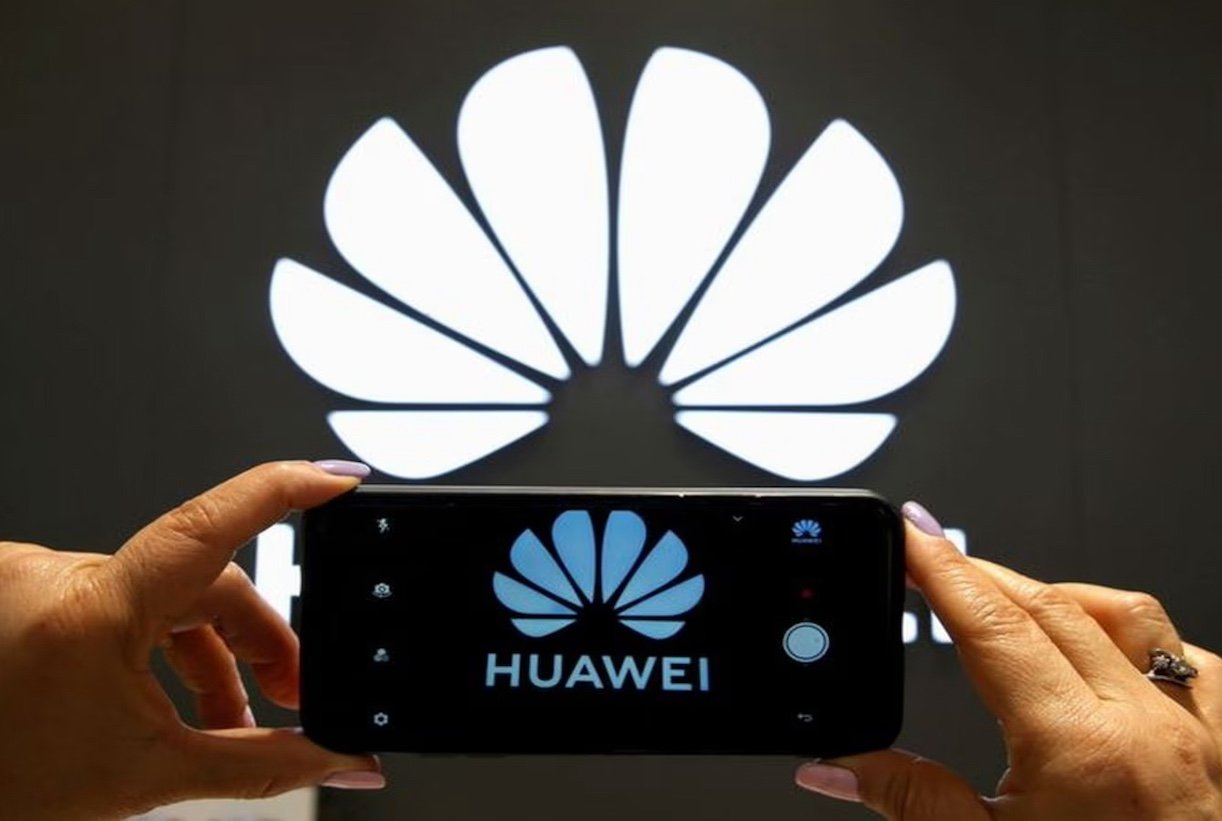
After nearly three months of testimony and deliberation, a jury in the Eastern District of New York returned a mixed verdict in the long-running criminal case against Huawei. The Chinese telecommunications giant was found guilty of conspiring to violate US sanctions on Iran, bank fraud, money laundering, and stealing trade secrets from American companies. But on the most sweeping charge—a RICO conspiracy alleging that Huawei operated as a corrupt enterprise—the jury returned a verdict of not guilty.
The RICO count was the centerpiece of the prosecution's case. By invoking the Racketeer Influenced and Corrupt Organizations Act, the US Department of Justice sought to portray Huawei's rise as a global tech powerhouse as the product of a systematic, top-down culture of illegality. The government argued that individual crimes—sanctions evasion, lying to banks, and IP theft—were not isolated acts but part of a coordinated strategy approved by senior management.
The jury's rejection of that framing is significant. Brian Heberlig, Huawei's lead attorney from Steptoe LLP, called the acquittal "a profound rejection of the United States narrative" about the company. He noted that the RICO charge and the obstruction of justice count, which also ended in acquittal, were the only charges requiring proof of corrupt intent. "It was a vindication of the company and its good faith and compliance culture," Heberlig said outside the courthouse.
Trade secrets and the broader US-China tech rivalry
The trade secret convictions, however, are a blow to Huawei. Prosecutors presented evidence of five specific instances of theft, spanning two decades and multiple countries, involving individuals who did not know each other. These cases fed into a familiar narrative in Washington that Chinese technological advancement relies on illicit copying of Western IP.
Yet the broader data paints a more nuanced picture. In Europe's Unified Patent Court, Huawei ranks among the most active litigants—but more often as a claimant defending its own patents than as a defendant. In the US, Huawei appears on lists of top patent defendants alongside Samsung, TSMC, Qualcomm, and Google—companies with large patent portfolios that naturally attract litigation. The criminal trade secret counts all stemmed from civil disputes that had been resolved, and in none of those cases was Huawei found liable for willful misappropriation or ordered to pay damages.
Criminal trade secret prosecutions are rare. The DOJ brought only 11 such cases in 2017, 11 in 2018, 16 in 2019, and eight in 2020. Since 2012, over 80% of the DOJ's National Security Division cases have involved China, reflecting a broader strategic focus on Chinese firms. Huawei has been in the DOJ's crosshairs since at least 2003, when Cisco filed a civil suit over router source code; that case was settled.
Bank fraud and the Iran connection
The bank fraud convictions relate to Huawei's assistance to Iran's telecommunications infrastructure, including an internet backbone and mobile network expansion. The DOJ alleged that Huawei lied to banks about its Iran activities to gain access to US-dollar clearing systems. The verdict on these counts stands in contrast to an earlier extradition proceeding in Canada, where a judge found that the evidence did not meet the threshold for dual criminality—a point Huawei's defense highlighted.
The mixed verdict is unlikely to end the legal saga. The DOJ has already signaled it will continue to characterize Huawei as a repeat offender, citing a "decades-long pattern" of misconduct. Huawei, for its part, maintains that the acquittals on the RICO and obstruction charges undermine the government's core narrative.
For the Indo-Pacific region, the case carries broader implications. It underscores the intensifying US-China tech rivalry and the legal tools Washington deploys against Chinese firms. As Taiwan and South Korea watch closely, the verdict may influence how other Asian tech companies navigate US enforcement. Meanwhile, Huawei's continued patent activity in Europe and the US suggests that, despite the convictions, the company remains a major player in global innovation—a reality that complicates simplistic narratives of Chinese tech as purely derivative.
The case also highlights the growing use of RICO in corporate prosecutions, a tactic that some legal experts view as an overreach. The jury's decision to acquit on that charge may signal limits to how far the DOJ can stretch conspiracy law to encompass a company's entire business model.
As the legal dust settles, the focus shifts to sentencing and potential appeals. Huawei has vowed to fight the convictions, and the company's lawyers have already flagged evidentiary concerns. For now, the verdict stands as a partial victory for the DOJ—but also as a reminder that proving systemic corruption is a high bar.