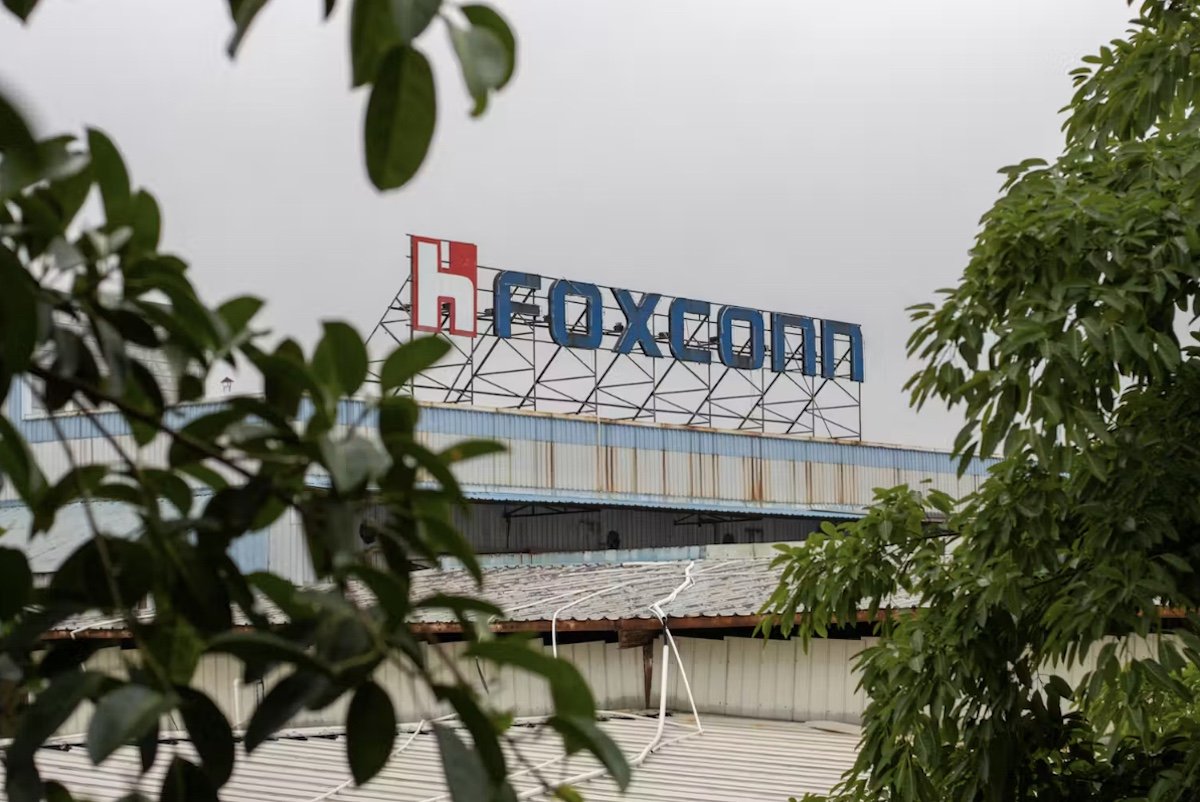
When Stan Shih, the founder of Acer, landed in Shenzhen to represent Taiwan at the Asia-Pacific Economic Cooperation summit, his company had already made headlines. Acer and its rival Asus were reportedly shifting some production back to China from Thailand and Vietnam, driven by soaring global memory-chip prices that made manufacturing elsewhere more expensive. Chinese suppliers, with their lower costs, offered a compelling alternative.
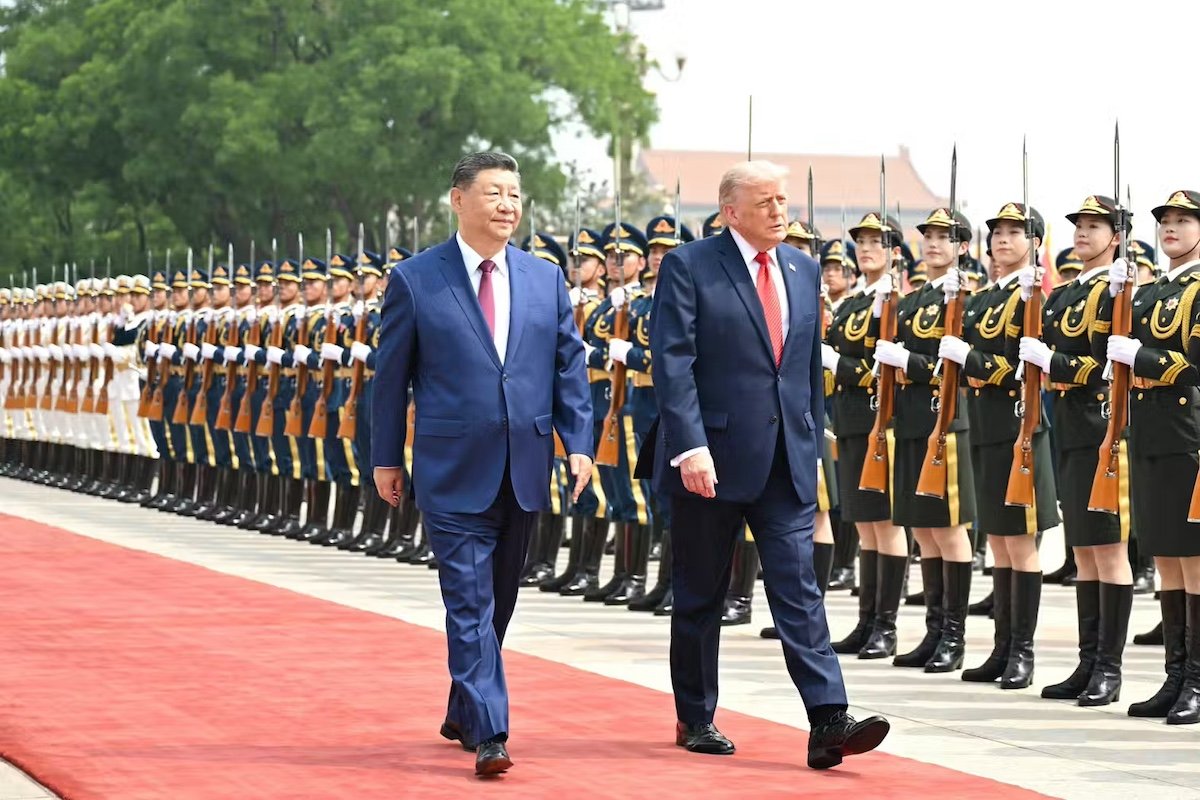
The summit also put Taiwan firmly on the diplomatic agenda. Chinese President Xi Jinping used his meeting with U.S. President Donald Trump to press Beijing's claim over the island, urging Washington to "do the right thing" and warning that any major disruption could damage bilateral ties. China, which considers Taiwan part of its territory, has never renounced the use of force to achieve "reunification," and its military drills around the island have become routine.
Yet for many Taiwanese entrepreneurs in China—known as Taishang—the decision to stay is not simply about costs or customers. In interviews, a recurring theme emerges: their presence helps keep ordinary people on both sides of the strait connected, even when governments are at odds. As one factory owner in Kunshan put it, "We are the bridge that politics cannot break."
Cost and market realities keep factories running
The economic logic for staying is strong. Taiwanese firms were instrumental in China's manufacturing boom of the 1990s and 2000s, building everything from footwear in Dongguan to laptops in Kunshan. When U.S. tariffs made exporting to America harder, many pivoted to serving Chinese consumers, keeping their plants busy and their supply chains intact.
That pivot has paid off. China's domestic market is now a major revenue source for many Taiwanese companies, and the country's infrastructure and supplier networks remain unmatched in the region. "You can't replicate the ecosystem in Vietnam or India overnight," said a Taipei-based analyst who tracks cross-strait investment.
Still, the political climate has prompted some firms to hedge. New investments are increasingly directed toward Southeast Asia, India, and even the United States, as companies seek to reduce their exposure to potential conflict. But these moves are expansions, not exits. Most Taiwanese businesses are keeping their Chinese operations running, even as they build backup capacity elsewhere.
The trend is visible in official data. While Taiwanese investment in China has declined from its peak, it remains substantial, and many firms are reinvesting profits locally rather than repatriating them. The export controls on advanced machinery that Beijing has imposed in other sectors have not deterred Taiwanese manufacturers, who see China as both a production base and a market.
For the Taishang, leaving China would mean abandoning decades of relationships, factories, and local knowledge. It would also mean severing a practical channel of communication between Taiwan and the mainland—a channel that, in their view, serves both sides' interests. As one entrepreneur in Dongguan said, "If we all leave, who will talk to whom?"
The calculus is unlikely to change soon. As long as China's manufacturing ecosystem remains cost-effective and its market continues to grow, Taiwanese firms will find reasons to stay. The widening U.S.-China tech rift may push some high-end production elsewhere, but for the majority of Taiwanese businesses, the pragmatic choice is to remain engaged.
That engagement, however, is not without risk. Beijing's military pressure and political rhetoric create an unpredictable environment. Yet for many, the alternative—walking away from a market that has made them wealthy—is even less appealing. The result is a delicate balancing act: staying put while quietly diversifying, and hoping that the bridge they represent does not collapse under the weight of geopolitics.