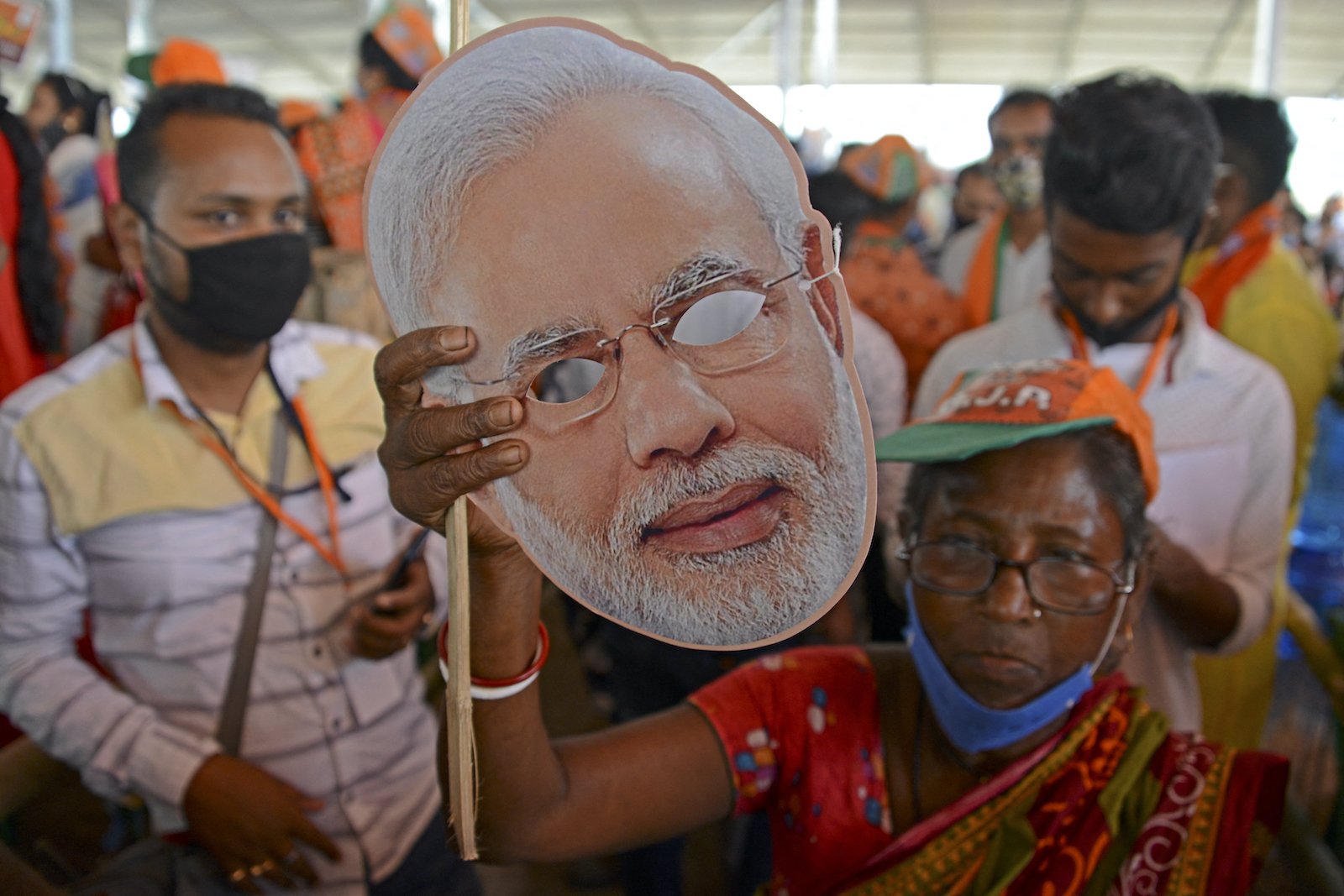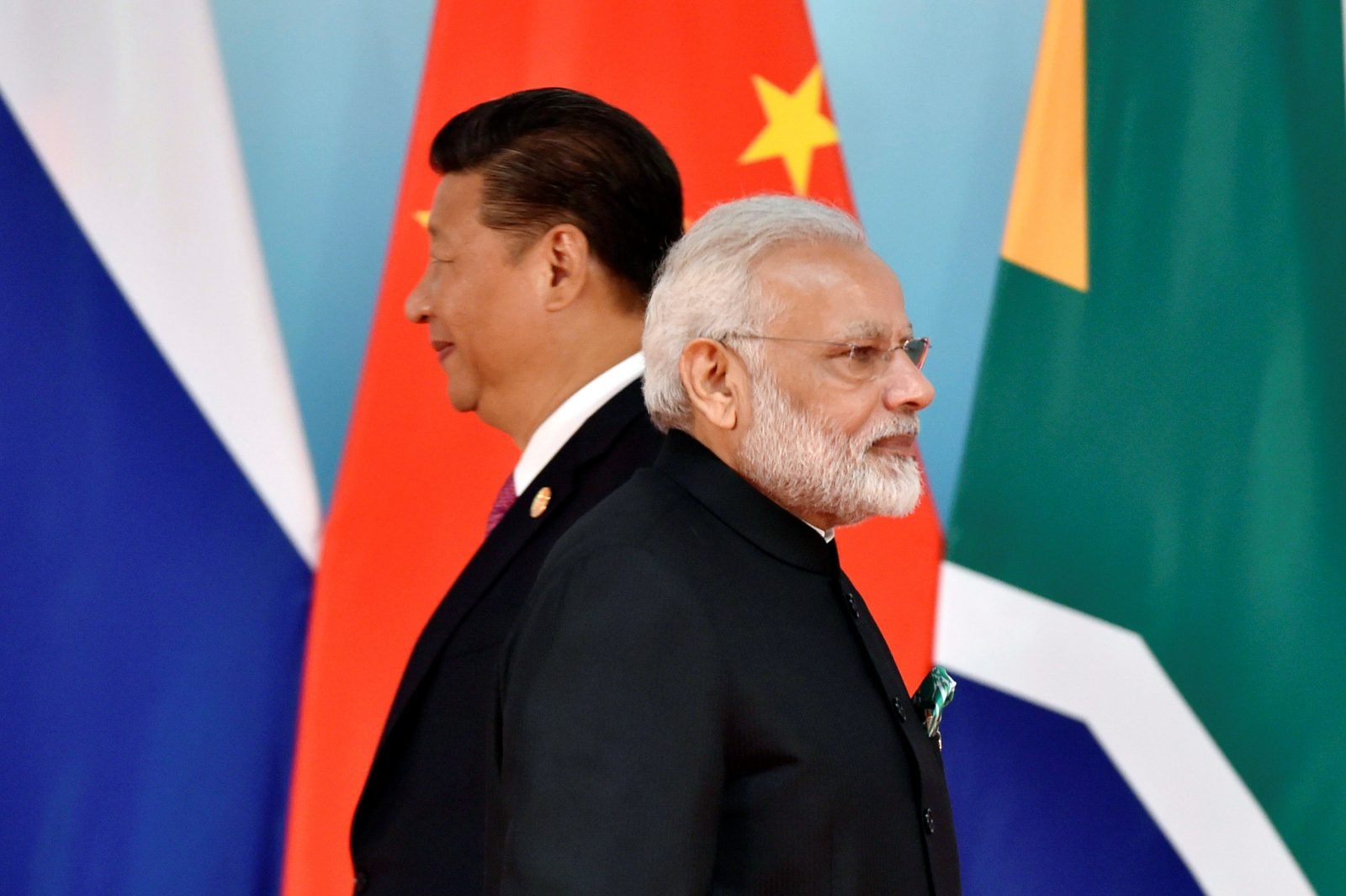
The state of India-China relations is often described in binary terms: thaw or freeze, reset or rupture. The reality is more nuanced. Since the deadly Galwan Valley clash in June 2020, New Delhi has pursued a policy of managed engagement with Beijing. The August 2025 meeting between Prime Minister Narendra Modi and President Xi Jinping, along with a partial easing of restrictions on Chinese investment, suggests both sides are keen to avoid further escalation. Yet this stabilization should not be mistaken for a reset.
Stabilization without normalization
The core drivers of tension remain intact: the unresolved boundary dispute, a widening trade imbalance, security competition in South Asia, and a broader strategic contest across the Indo-Pacific. Disengagement along parts of the Line of Actual Control has reduced the immediate risk of another clash, but it has not addressed the underlying strategic mistrust that has deepened since 2020. The current situation is best described as fragile stabilization alongside continued competition.
That competition is not confined to the Himalayas. Both countries have significantly strengthened their maritime capabilities and expanded their presence in the Indian Ocean Region (IOR), where their interests increasingly overlap. For India, the IOR is not just a distant waterway but its immediate neighborhood, a region where it has deep historical, economic, and strategic stakes.
India's maritime stakes
India's interests in the Indian Ocean are multifaceted. Its geography gives it a direct stake in the region's security, while its economy depends heavily on the sea lanes that carry the bulk of its trade and energy supplies. Strategically, India has positioned itself as a net security provider, conducting naval exercises, capacity-building, and humanitarian assistance and disaster relief (HADR) operations across the region. This role has been reinforced by high-level visits to littoral states such as the Maldives, Seychelles, and Mauritius, and through initiatives like SAGAR, the Indo-Pacific Oceans Initiative, and Project Mausam.
China's expanding footprint
China, though not an Indian Ocean littoral state, has rapidly expanded its economic, diplomatic, and naval presence over the past decade. Its interests include energy security, trade, anti-piracy, and protecting its growing overseas assets. However, the scale and nature of this expansion raise questions about whether Beijing seeks merely to secure its interests or to shape the regional order in its favor. The development of Gwadar Port, the 99-year lease of Hambantota, and the establishment of its first overseas military base in Djibouti illustrate how China's economic and strategic presence increasingly intersect.
For India, the concern is that China's growing capabilities could translate into sustained maritime power and influence, potentially allowing Beijing to dominate parts of the Indian Ocean. This adds a maritime dimension to an already complex security challenge. From China's perspective, India's position and capabilities are equally central to its calculations, as New Delhi can monitor and potentially constrain Chinese activities in the region.
Competition beyond navies
The rivalry extends beyond naval assets. Both countries are vying for influence through political outreach, development projects, connectivity initiatives, and security partnerships with Indian Ocean states. India has stepped up its engagement through regional forums like the Indian Ocean Rim Association and the Indian Ocean Conference, while also pursuing bilateral ties. China, meanwhile, has deepened its economic footprint, as seen in its growing ties with countries like Indonesia, though such deals often carry hidden costs, as recent analyses have highlighted.
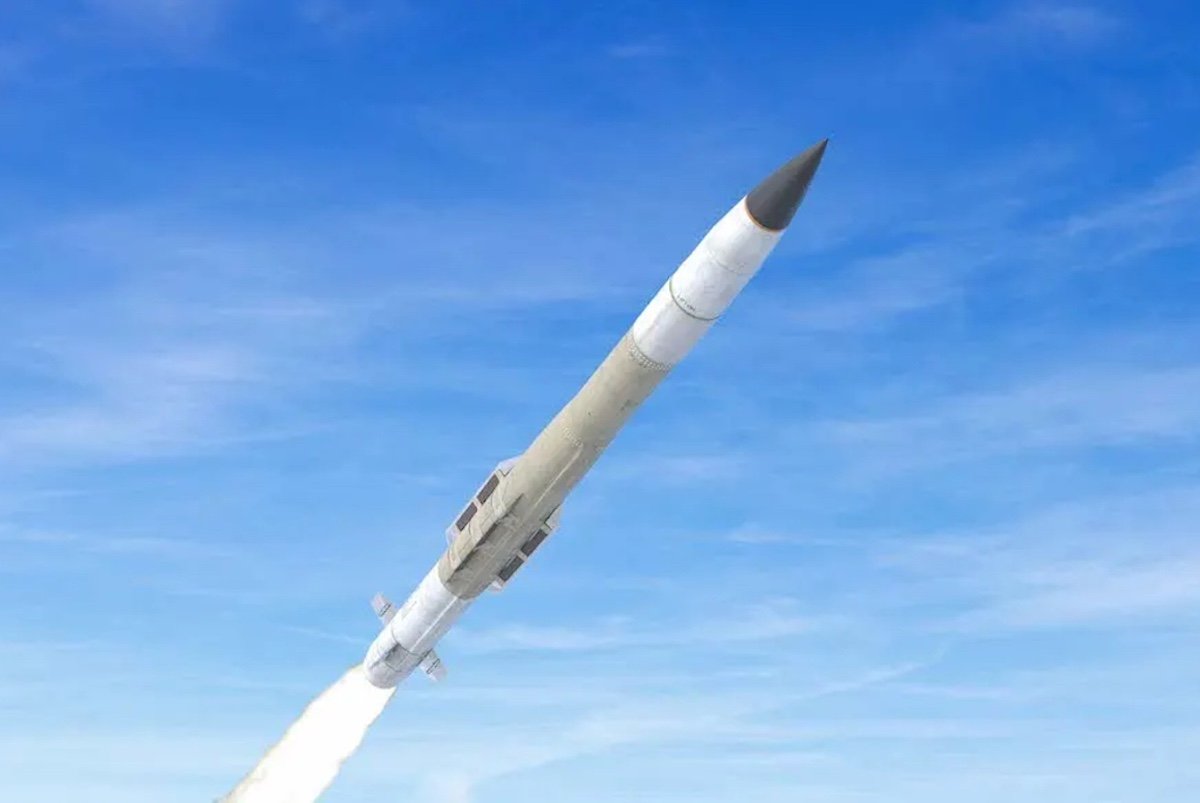
The maritime competition is also playing out in the broader Indo-Pacific, where China's military modernization, including hypersonic missiles like the YJ-20, is reshaping naval power dynamics. India, for its part, is exploring new defense partnerships, such as with France on a sixth-generation fighter, to bolster its capabilities.
In this environment, India must decide not only how to respond to China's expansion but also what kind of role it wants to play in the Indian Ocean. The current stability is welcome, but it is not a reset. The underlying strategic competition will continue to shape the region's security landscape for years to come.