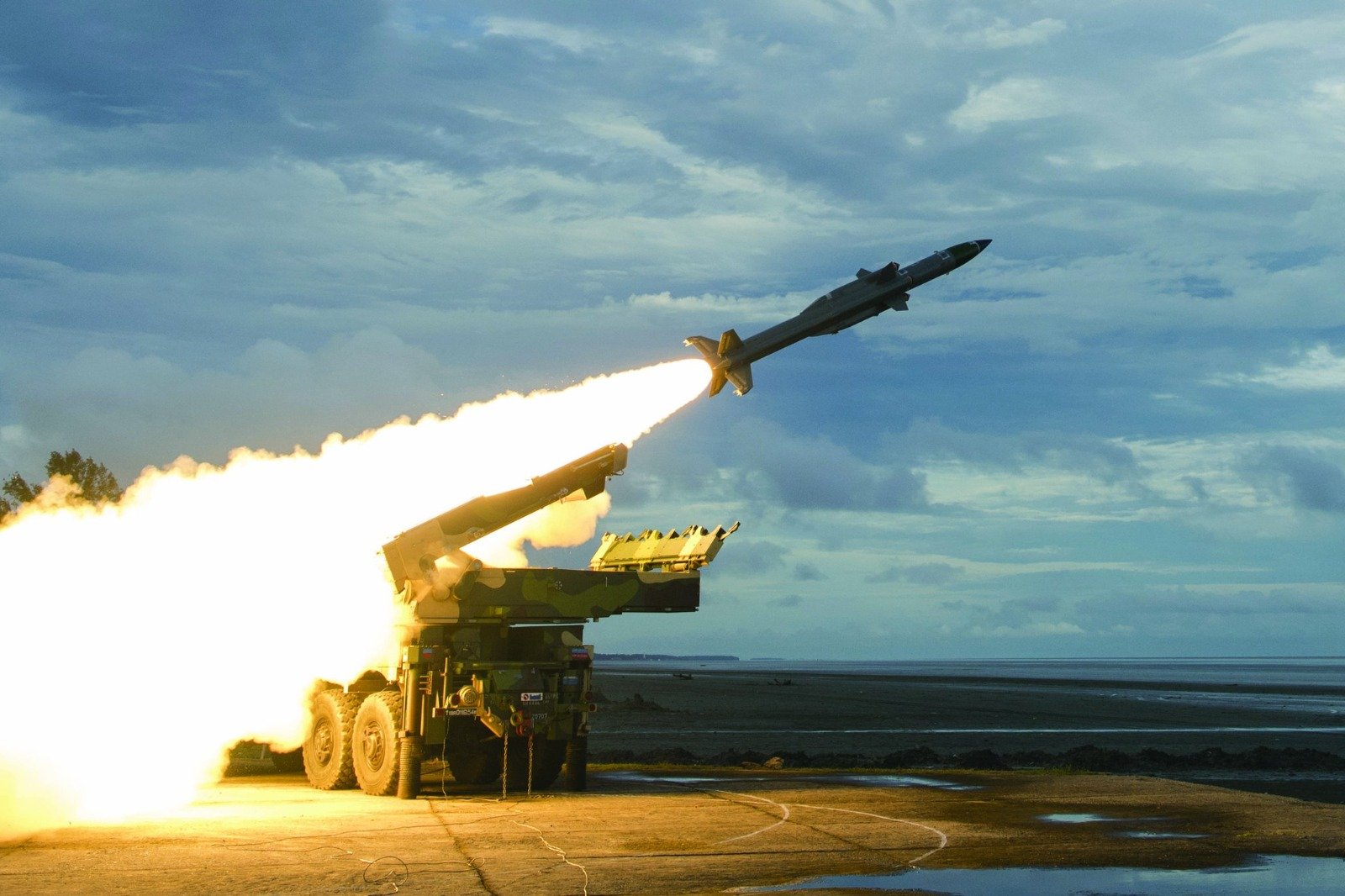
India has confirmed the export of its domestically developed Akash surface-to-air missile system to Tajikistan and Turkmenistan, a move that underscores the shifting defense dynamics in Central Asia. Defense Secretary Rajesh Kumar Singh announced the agreements, which include the supply of the Rajendra radar network and logistical support packages. While the exact number of batteries and contract values remain undisclosed, the deals build on India's 2022 sale to Armenia, its first foreign customer for the system.
The Akash system, engineered by India's Defense Research and Development Organization (DRDO), is designed to intercept aircraft, cruise missiles, and drones at altitudes up to 18-20 kilometers. For Tajikistan and Turkmenistan, the acquisition offers a cost-effective and reliable alternative to their aging Soviet-era inventories, reducing their dependence on Russian military hardware without turning entirely to China.
A new great game in Central Asia
The sales come at a time when Russia's arms exports have collapsed. According to data from the Stockholm International Peace Research Institute (SIPRI), Russia's major arms exports fell by 64% between 2016-20 and 2021-25, shrinking its global share from 21% to 6.8%. Russia was the only top-ten exporter to see a decline, with deliveries to key clients like Algeria, China, and Egypt dropping sharply. The war in Ukraine has further constrained Moscow's ability to fulfill orders, prompting Central Asian states to seek alternative suppliers.
Tsiporah Fried, in a December 2025 report for the Hudson Institute, notes that the Russian invasion accelerated the decline of Russian dominance in Central Asia, fragmenting the region into a multipolar landscape. Western sanctions and wartime disruptions exposed the risks of overdependence on Russian-mediated trade corridors, energy pipelines, and remittance flows, spurring regional inflation. Central Asian leaders now view Russia as an unpredictable vulnerability, Fried argues.
To assert their sovereignty, these states are building strategic counterweights through expanded partnerships with China, Turkey, the European Union, the United States, and India. Arms sales are a key lever, as client states depend on external suppliers for training, updates, and spare parts, which can subordinate their foreign and defense policies to the supplier's interests. By diversifying away from Russia, Central Asian states aim to protect their independence.
India's missile exports to Tajikistan and Turkmenistan are part of its broader "Necklace of Diamonds" strategy, a response to perceived strategic encirclement by China through the Belt and Road Initiative. As China links Pakistan, Bangladesh, and Sri Lanka via arms sales and port infrastructure, India fears a multi-front conflict. Pakistan in Kashmir and China in the Himalayas pose direct threats, while Bangladesh could pin down Indian forces near the Siliguri Corridor. The Hambantota Port in Sri Lanka could facilitate Chinese naval activities in the Indian Ocean.
In response, India has expanded its defense partnerships across Central and Southeast Asia. Beyond the Akash sales, India has supplied BrahMos supersonic anti-ship missiles to the Philippines and Indonesia, positioning itself as a counterweight to Chinese influence. These transfers are vital military components of India's strategy to counter China's encirclement.
China, for its part, sees arms sales to Central Asia as a way to align regional governments with its economic and military goals. Central Asia is a key Belt and Road hub, rich in energy resources and minerals, and serves as a geopolitical buffer with Russia. Beijing often bundles economic investments with defense assistance in comprehensive package deals. Earlier this year, Uzbekistan became the second confirmed foreign operator of China's J-10CE fighter jets, following Pakistan, with at least six aircraft spotted in Tashkent amid reports of an order for 24. The J-10CE, a 4.5-generation fighter, offers competitive pricing and advanced avionics, appealing to buyers who face sanctions on Russian equipment.
The interplay of these deals reflects a broader trend: Central Asian states are leveraging emerging suppliers like India and China to diversify their defense postures. This not only reshapes the region's strategic landscape but also intensifies Sino-Indian competition. As India's missile shield expands, some analysts caution that it may create a false sense of security, but for now, New Delhi is clearly seeking to solidify its role as a global defense exporter while reinforcing long-term maintenance and training alliances across the region.
The developments also intersect with economic pressures. As US diesel prices spike, Asian central banks, including India's, face inflationary pressures that could affect defense budgets. Yet, the strategic imperative appears to outweigh fiscal concerns, as both India and China vie for influence in a region once dominated by Moscow.