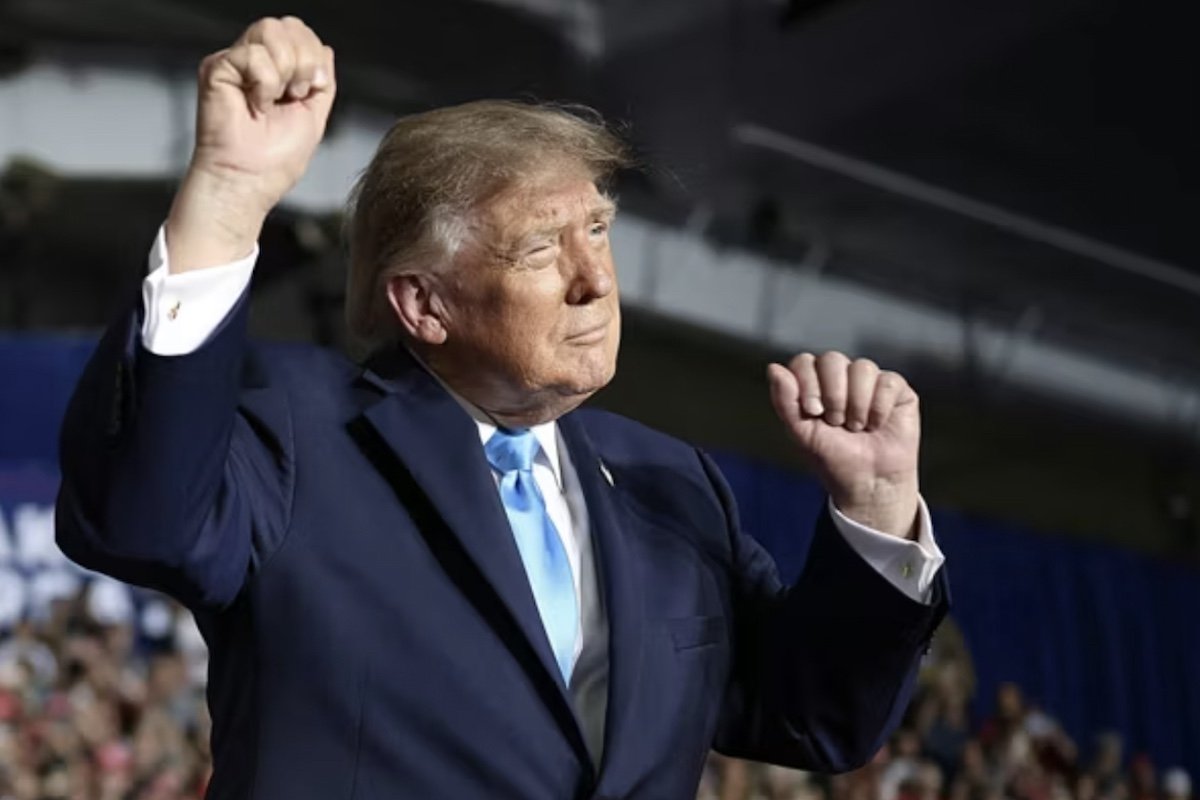
During a rambling speech in Nebraska, President Donald Trump appeared to joke that if Iran were to attack Los Angeles and San Diego, it would be a small price to pay for the safety of the rest of the country. The comment, delivered in his characteristic stream-of-consciousness style, drew immediate outrage from residents of those cities, who feel their president is willing to sacrifice them for political gain.
San Diego, in particular, is home to a major U.S. Navy port, and its sailors have been deployed for months near the Strait of Hormuz without adequate resupply or rest, a situation that critics say reflects the administration's disregard for military personnel. The irony was not lost on observers who noted that the very people Trump claims to support are the ones bearing the brunt of his policies.
War rhetoric vs. reality
Trump has been campaigning on the supposed success of his abrupt military action against Iran, which he launched in summer 2025. Although he repeatedly claimed to have destroyed Iran's nuclear enrichment program, the now-crippled program has become his stated pretext for a war that many analysts believe was actually aimed at seizing control of Iran's oil and gas resources, similar to his approach in Venezuela.
U.S. intelligence agencies have consistently assessed over the past 25 years that Iran does not have a military nuclear weapons program. Tehran's uranium enrichment was for civilian purposes and deterrence, a miscalculation that failed to prevent the joint Netanyahu-Trump attack. Iran does not possess intercontinental ballistic missiles capable of striking Los Angeles or San Diego, making Trump's joke not only insensitive but also factually baseless.
A July poll found that 75% of Americans believe the Iran War is not worth it, and 61% blame Trump's policies for high gasoline and diesel prices. The president's usual tactics of blaming Democrats and gaslighting his base are faltering as Americans face sticker shock at the pump.
Trump insists he is winning the war and that it will soon be over, but reality suggests otherwise. TradeWinds reports that Iran has struck 11 ships in the Strait of Hormuz in the past week, a potential sign of increased belligerence, though it could also reflect a rise in shipping traffic. The strikes coincide with more fiery rhetoric from Tehran and further U.S. withdrawals from the region, including from the naval base in Manama, Bahrain, and complete pullouts from Iraq and Syria. Even bombers have been withdrawn from a UK base after rumors of an Iranian terrorist plot.
For Tehran, forcing the U.S. out of the region has become a key strategic goal following the February 28, 2026, joint Netanyahu-Trump war of aggression. The chief of staff of Iran's armed forces, Major-General Ali Abdollahi, has warned that further attacks on Iran will trigger a conflagration affecting the entire Middle East.
While Trump's joke may have been intended as humor, it reflects a dangerous disregard for human life and the consequences of his policies. As the war drags on, Americans are increasingly questioning the cost, and the president's approval ratings are suffering. The need for Congress to reclaim war powers has never been more urgent.
In the meantime, the rejection of Iran's ceasefire offer and the insistence on a negotiated path highlight the administration's unwillingness to seek a diplomatic solution. The global condemnation of Trump's threats underscores the isolation of the U.S. position.
As the situation escalates, the human cost of this war becomes ever more apparent. For the people of Los Angeles and San Diego, being the butt of a presidential joke is no laughing matter.