The United States and Australia have marked a milestone in their push for long-range precision strike with the first flight-test release of a US air-launched hypersonic weapon over an Australian test range. Yet the achievement raises a harder question: can allied bases and support networks survive long enough to make such weapons count in a Pacific conflict?
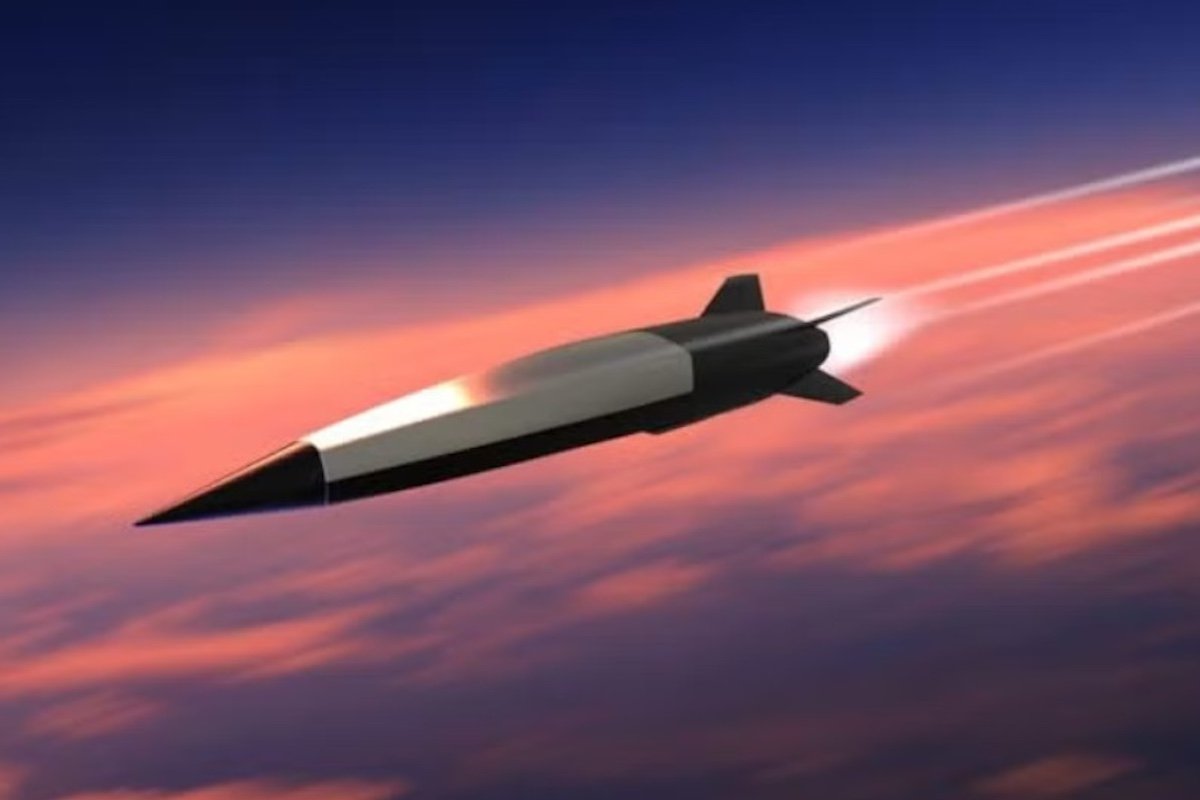
This month, the US Air Force, working with the Royal Australian Air Force, conducted the inaugural release of the Hypersonic Attack Cruise Missile (HACM) at an undisclosed Australian range, according to multiple reports. The test, part of the bilateral Southern Cross Integrated Flight Research Experiment, was designed to gather data on the weapon's performance under realistic conditions. Officials have not disclosed the launch date, the aircraft used, or whether the scramjet-powered munition achieved sustained flight after release.
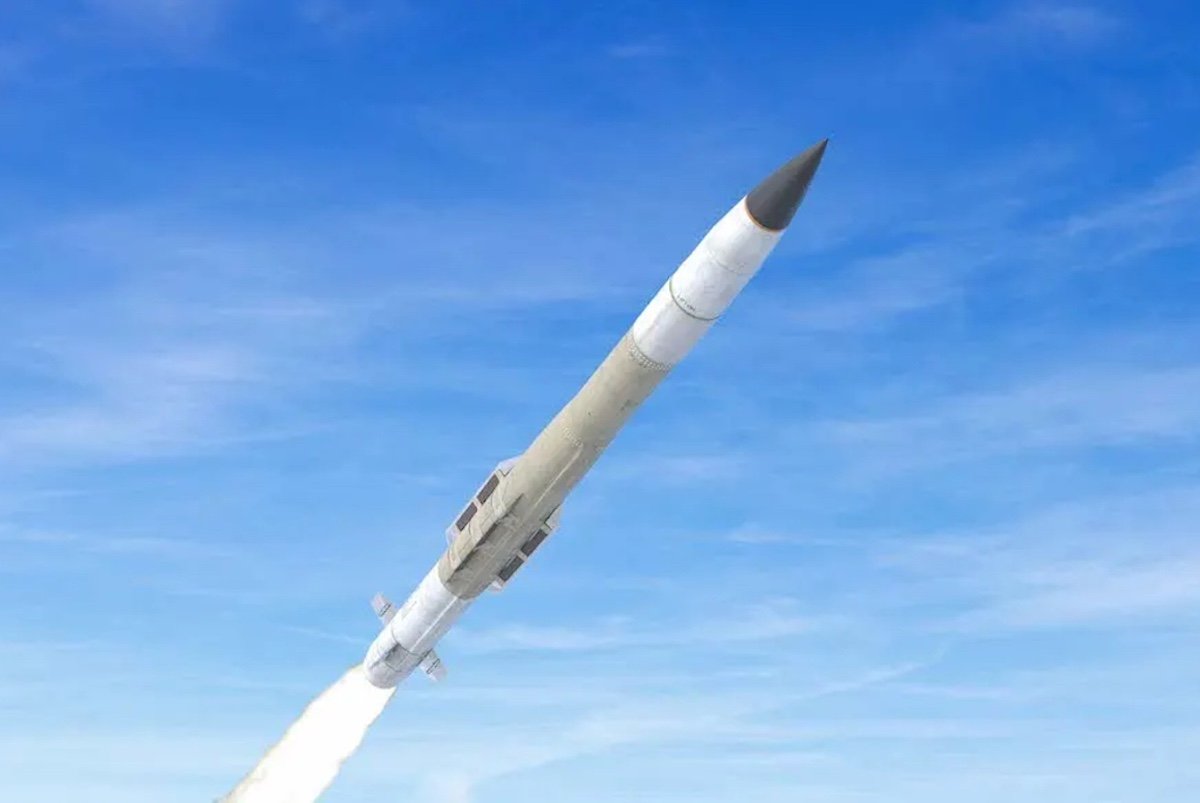
The HACM, built by RTX with engines from Northrop Grumman, uses a solid rocket booster to accelerate before its scramjet cruiser takes over, pushing the weapon past Mach 5. The program has faced design setbacks that delayed schedules and forced the Air Force to cut its rapid-prototyping campaign from seven flights to five, with no margin for further slips. Service leaders are still aiming for a fielding decision in fiscal 2027 and full-rate production by 2029, requesting about US$1.2 billion for maturation and initial procurement.
Operational reality check
While the test is a technical step forward, the more pressing issue is how the HACM would be used in a real theater campaign, particularly in a scenario over Taiwan. Michael White, writing in a February 2026 Atlantic Council report, argues that hypersonic weapons give the US military a rapid, survivable way to strike targets inside an adversary's anti-access perimeter, destroying high-speed strike systems, air defenses, and command nodes in compressed timeframes. He sees them as force multipliers alongside older subsonic missiles, helping to restore battlefield dominance early in a conflict.
White notes that the HACM's smaller size and lower unit cost allow it to be deployed across a wide range of aircraft. An August 2025 Congressional Research Service report says the missile is designed for both fighters and bombers, with flight-test integration focused on the F-15E. A B-52 could carry 20 or more, and a B-1 up to 36. A July 2024 Government Accountability Office report adds that the HACM could also be tested on Australian F/A-18s, with implications for interoperability and Australia's own long-range strike ambitions.
In a campaign over Taiwan, allied doctrine envisions heavy bombers operating from sanctuary bases beyond the First and Second Island Chains—such as Australia's Tindal Air Base—acting as standoff 'missile trucks' to saturate Chinese air defenses and target mobile launchers. But that sanctuary is far from guaranteed.
A December 2024 Stimson Center report warns that Chinese missile strikes could deplete theater interceptors within 24 hours, crater runways, and ground US fighters in Japan for nearly 12 days. Aerial refueling tankers in Japan could be out of action for more than a month, and those in Guam for four days. A January 2025 Hudson Institute report adds that decades of underinvestment have left forward US facilities unhardened compared with China's network of over 3,000 aircraft shelters. Just ten submunition-armed missiles could neutralize critical installations like Japan's Marine Corps Air Station Iwakuni.
Stacie Pettyjohn, in a November 2024 Carnegie Endowment report, describes Tindal as an indispensable staging ground for US long-range bomber operations during an allied campaign to defeat a Chinese invasion of Taiwan. She notes that B-52s, B-1s, and B-2s operating from northern Australia could generate sustained sorties, delivering massed standoff cruise and hypersonic missiles against Chinese invasion fleets and mainland targets while preserving strategic depth.
But northern Australia is not beyond China's reach. Intermediate-range ballistic missiles like the DF-26, fired from Hainan Island, and H-6N bombers armed with JL-1 aeroballistic missiles operating from the South China Sea, place Tindal within range of preemptive salvos that could destroy unhardened bombers on the flight line.
In response, the US has revived World War II-era bases like Tinian under its Agile Combat Employment (ACE) strategy, which disperses aircraft across multiple Pacific sites to complicate targeting. Yet that approach faces serious friction. Michael Blaser, writing in the July 2024 issue of US Naval Institute Proceedings, argues that ACE relies on flawed assumptions about logistics, command and control, and the ability to sustain operations from austere locations.
The hypersonic test is a genuine technical achievement, but it does not solve the deeper vulnerability of the allied basing network. As Taiwan's new F-16Vs show, buying time is not the same as winning it. The HACM may give the US and Australia a sharper sword, but the shield—the bases, tankers, and command nodes that make it usable—remains dangerously thin. Without hardening and dispersal, the weapon's promise could evaporate before the first shot is fired.