The announcement of a long-awaited free trade agreement between India and the European Union was swiftly followed by signals from Washington of a potential "major" trade deal with New Delhi. This timing is strategic, highlighting India's deliberate effort to reposition its economic diplomacy at a moment when trade policy is inseparable from geopolitics.
India's concurrent pursuit of a comprehensive pact with the EU and a more focused arrangement with the US represents intersecting elements of a single strategy. The goal is to widen India's room for maneuver in an international landscape defined by American unpredictability, China's industrial dominance, and the fraying of a rules-based global order.
Two Agreements, Different Strategic Purposes
The advantages extend beyond simple tariff reductions. The EU agreement offers institutionalized predictability, a critical factor for Indian exporters in sectors like engineering goods, pharmaceuticals, and textiles. The EU's stable, rules-bound market allows firms to plan long-term investments and cultivate durable buyer relationships across its diverse member economies.
In contrast, a potential deal with the United States serves a more tactical purpose. The US remains the world's paramount consumer market, making engagement unavoidable. Even limited tariff relief would help Indian manufacturers compete with rivals in Southeast Asia and maintain a foothold in critical US-facing value chains for pharmaceuticals, machinery, and gems. It also reinforces India's role as a key buyer of American energy, aircraft, and high-technology goods.
Together, these tracks create a form of strategic triangulation. By negotiating with multiple major economies, India is no longer approaching talks with Washington from a position of relative isolation. The EU-India trade deal and other recent agreements signal that New Delhi has options, altering the psychological dynamic of negotiations and raising the cost of external coercion.
Triangular Effects on Partners
The impact on the EU is subtle but significant. Brussels has long been concerned about being sidelined in Asian markets if Washington secured preferential terms. A limited India-US deal reduces that risk, reassuring European policymakers that India is not drifting into an exclusive American economic orbit. Simultaneously, it creates a competitive undercurrent, pushing EU exporters in sectors like machinery and chemicals to ensure their agreement with India delivers tangible commercial benefits.
For the United States, India's deepening integration with Europe presents a strategic complication. Washington increasingly views trade through the lens of rivalry with China and its "de-risking" agenda, seeking partners to absorb supply chains shifting out of the PRC. India's multi-aligned economic strategy, evidenced by its EU pact, means it will not slot neatly into an American-led bloc. This dilutes Washington's leverage, as India can potentially offset US market volatility with European demand.
This dynamic makes any future US-India trade arrangement more likely to be incremental and subject to frequent renegotiation, rather than a sweeping, permanent framework.
The Enduring China Factor
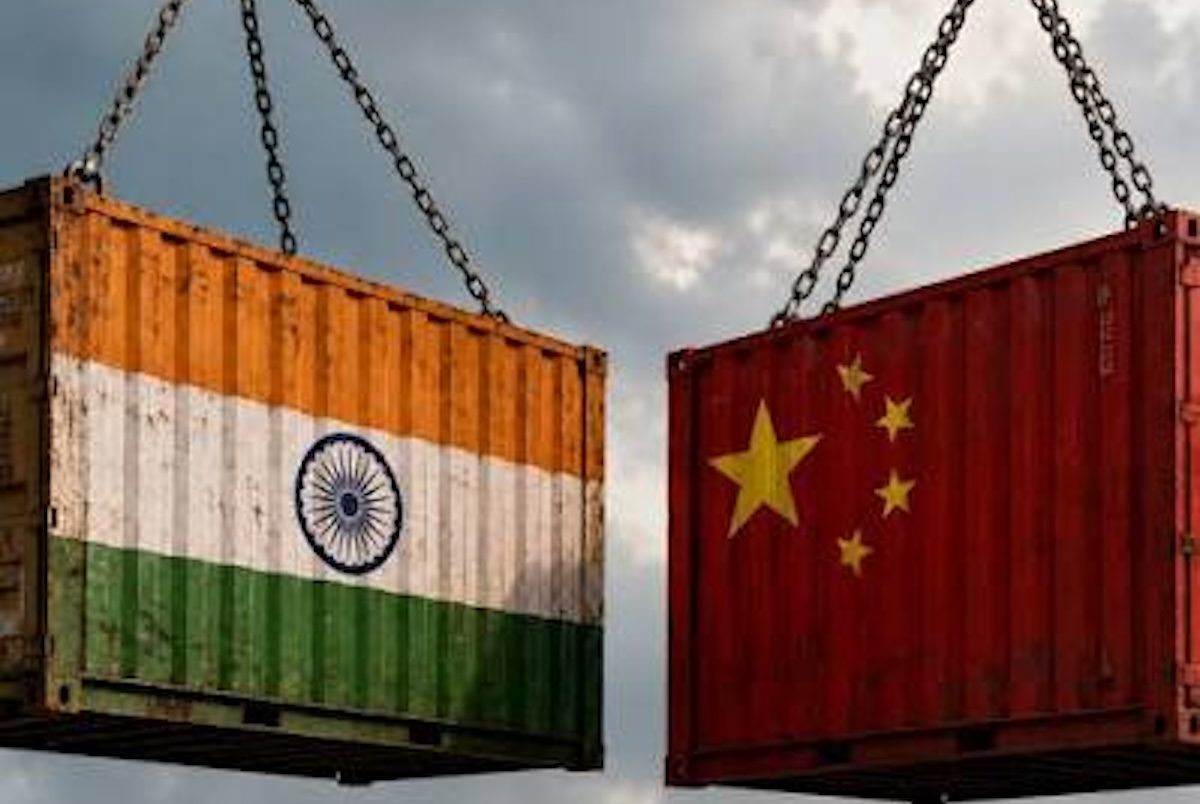
The most complex layer in this recalibration is China's entrenched role in regional value chains. A substantial portion of the foreign value embedded in India's exports, including those destined for Western markets, originates in the Asia-Pacific, with China as a primary contributor. This is particularly true in chemicals, machinery, and electronics.
This reality underscores a central challenge for India's trade diplomacy: building alternative production ecosystems while managing existing, deep-seated dependencies. The agreements with the EU and US are, in part, tools to facilitate this difficult re-wiring of supply chains over time.
India's dual-track trade diplomacy is a clear statement of its intent to pursue strategic autonomy. By embedding itself in multiple economic orbits simultaneously, New Delhi seeks to build resilience, enhance its bargaining power, and secure its position as a distinct pole in a fragmenting global economy. The success of this balancing act will have profound implications for the Indo-Pacific's economic and strategic architecture.