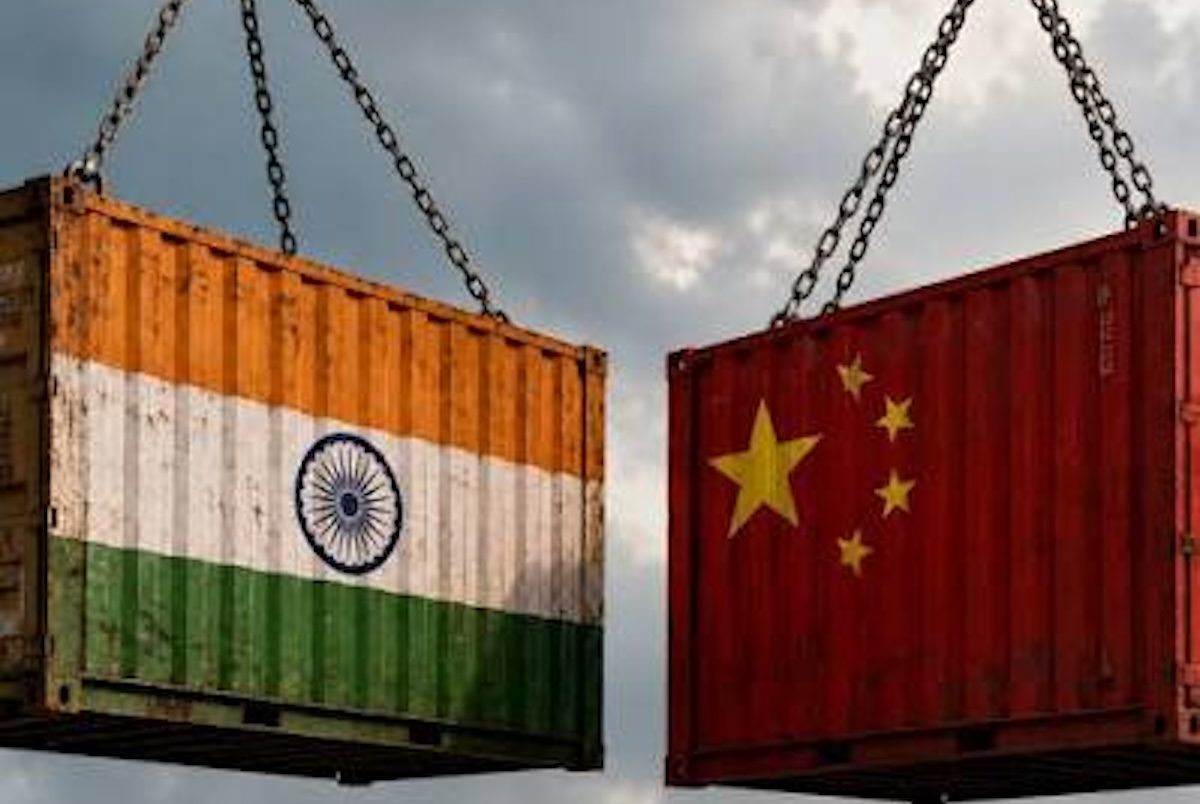
When Jakarta recently floated the idea of charging transit fees for vessels passing through the Strait of Malacca, it signaled a broader transformation in how critical maritime corridors are perceived. No longer neutral highways of global commerce, these straits are increasingly seen as strategic assets that can be regulated, priced, or leveraged by the states that control them.
What Indonesia is contemplating in Malacca, Iran has already demonstrated in the Strait of Hormuz—though Tehran has yet to formalize such an arrangement. If these precedents take hold, other nations may follow, fundamentally altering the calculus for energy-importing countries across Asia.
For India, the implications are particularly acute. Until recently, New Delhi's energy policy focused on diversifying supply sources, negotiating contracts, and managing price volatility. But the ongoing Gulf conflict has introduced a more structurally binding constraint: not where the energy comes from, but how it reaches Indian shores.
Two Straits, Two Vulnerabilities
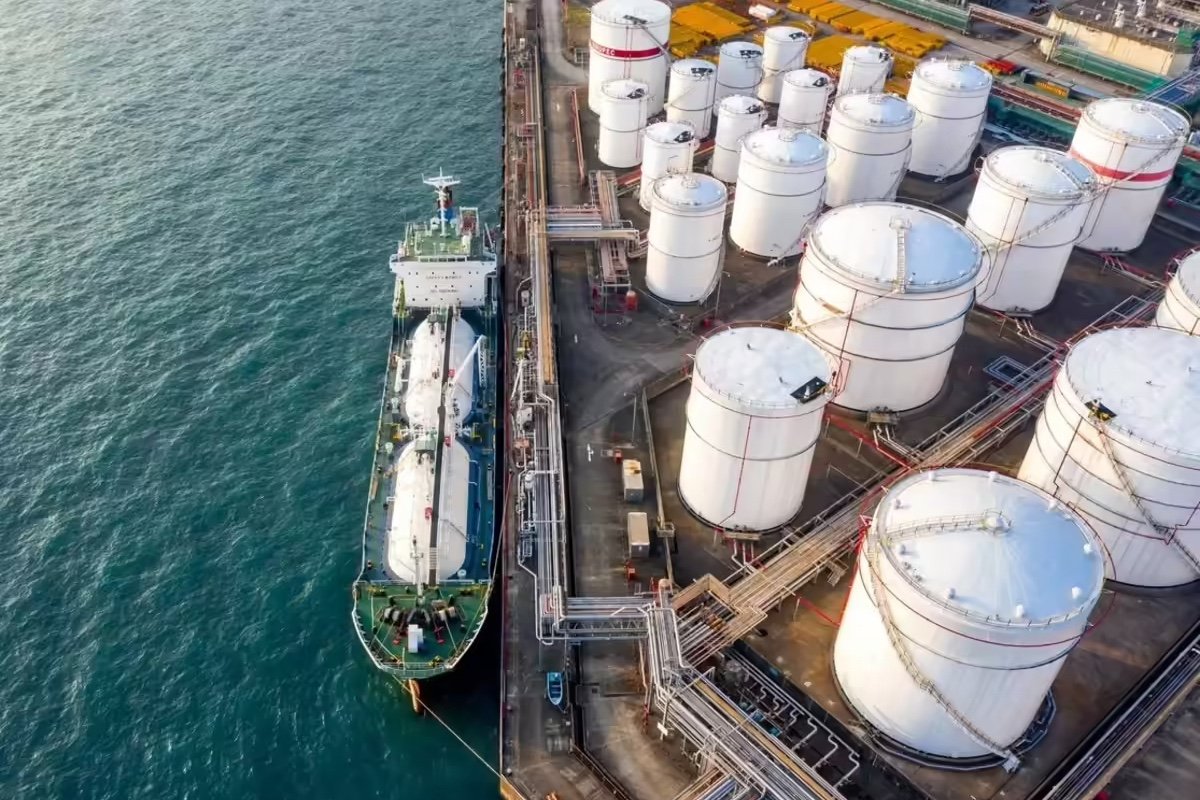
India's dependence on two key chokepoints defines its strategic exposure. Roughly 50% of India's crude imports and nearly 90% of its liquefied petroleum gas (LPG) and liquefied natural gas (LNG) pass through the Strait of Hormuz. Overall, 16% of India's global trade—encompassing energy, petrochemicals, fertilizers, and exports to Gulf markets—is tied to nations near that strait.
Since disruptions in Hormuz began, India has rerouted 70% of its crude imports via longer alternatives, including through the Arctic and the Baltics, sourcing from West Africa and Russia. But this is economically unsustainable over the long term.
The Strait of Malacca presents a different but equally significant risk. While India's crude imports are not heavily dependent on that waterway, more than a third of its total trade—especially with Southeast Asia—transits through it. As one Indian strategic analyst put it, Malacca is India's trade artery, while Hormuz is its energy lifeline.
This creates a kind of dependence qualitatively different from supplier reliance. Suppliers can be diversified; routes, especially chokepoints, cannot be easily substituted. For large importing countries like India, diversification offers limited protection when the transit corridor itself becomes a variable.
If transit through Malacca or Hormuz becomes subject to taxes or regulatory control, the economic impact would be systemic, not marginal. Costs would rise unpredictably, and exposure to political decisions beyond India's control would increase.
Strategic Gaps and Policy Disconnects
This development exposes a critical gap in India's strategic posture. In New Delhi, energy policy and maritime policy remain largely separate domains. The former is treated as a commercial and economic issue; the latter as a security function focused on territorial defense and regional presence. In a chokepoint-sensitive environment, that distinction becomes unworkable. Trade policy must align with maritime security.
India may not lack strategic clarity or intent, but it will likely struggle to coordinate institutions across the center, states, and markets. As India's credibility on Hormuz is tested, the need for integrated planning becomes urgent.
A second implication concerns the limits of India's foreign policy approach. The problem is not who India buys from, but whether it can move goods without interruption or added cost. That requires political influence over—or at least credible engagement with—the countries geographically proximate to these routes. Such transit dependence will seriously test India's policy of strategic autonomy. Nations may not be coerced, but they could be compelled to factor in the interests of those who control critical routes.
A third issue is the absence of route diversification in India's energy strategy. While India sources from a wide geography, not enough has been done to develop alternative corridors. The International North-South Transport Corridor (INSTC), the Chabahar port, and BIMSTEC primarily facilitate goods movement, not energy transit.
What India Can Do
Options are limited but relevant. India could reduce exposure to problematic chokepoints by sourcing more from the West, Russia, and Africa. It could rely more on overland and multimodal corridors and invest in regional connectivity. But the most sustainable response lies in reducing the share of energy that passes through long maritime routes. Development of domestic electrification of transport and expansion of renewable generation and non-fossil baseload capacity directly reduce chokepoint risk—converting external dependence into domestic capacity.
Further, bolstering buffer mechanisms and strategic reserves can provide greater resilience against market volatility, even if it cannot address transit constraints directly. As Asia fractures into energy security haves and have-nots, India's ability to adapt will be closely watched.
Indonesia's position on the Strait of Malacca may or may not translate into near-term policy. Even so, it introduces a new layer of strategic risk. India will need to think more holistically—bringing together energy, trade, and maritime security—while planning for both the near term and the future.