In the realm of international relations, the parallels between personal intimacy and statecraft are rarely discussed in polite company. Yet both domains share a reliance on secrecy, subtle signals, and the careful management of public and private spheres. Just as partners in a relationship communicate through unspoken cues and resolve disputes away from public scrutiny, nations engage in back-channel diplomacy and closed-door summits to navigate their most sensitive differences.
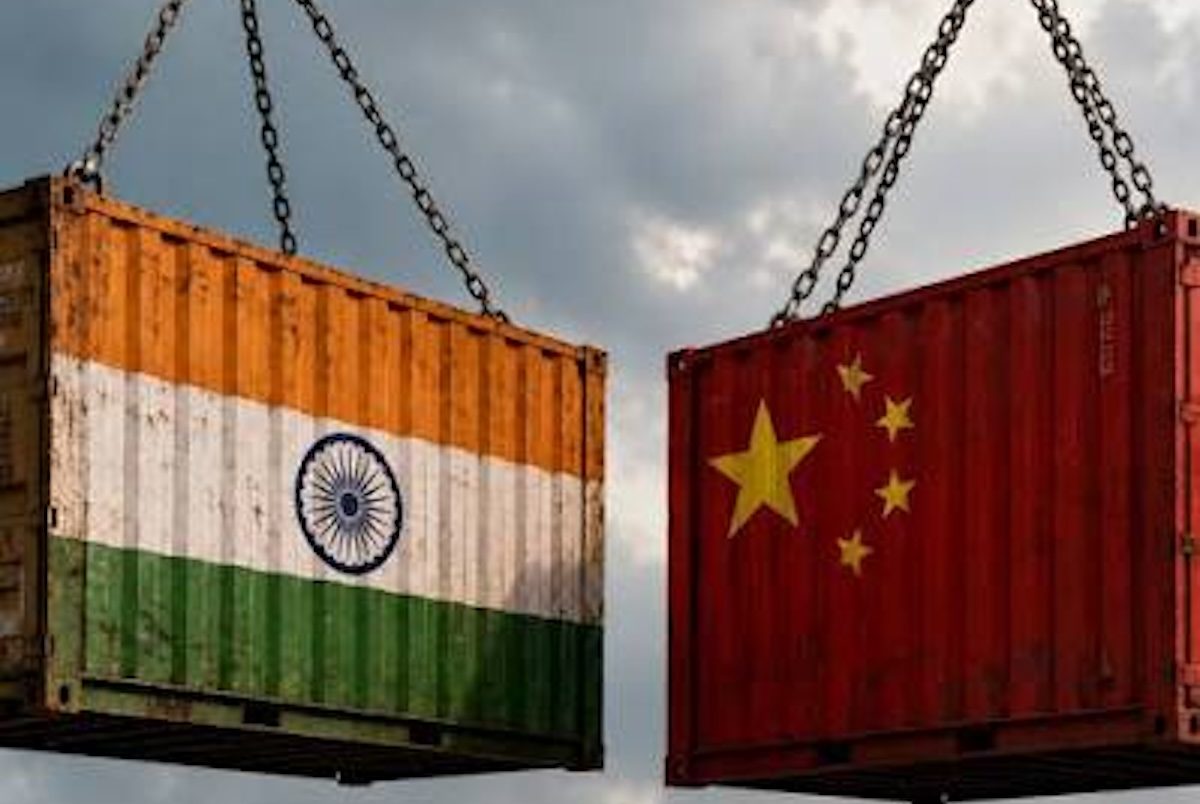
This analogy illuminates the peculiar predicament India finds itself in, caught between the gravitational pulls of the United States and China. The pattern is familiar: Washington makes a demand, New Delhi hesitates, Beijing applies pressure, and eventually India concedes—often with a compensatory gesture toward China. This cycle has repeated with remarkable consistency over the past decade.
The familiar cycle of pressure and accommodation
In 2016, the United States pressed India to sign the Logistics Exchange Memorandum of Agreement (LEMOA), a foundational military logistics pact. India signed on August 29, 2016, drawing immediate Chinese displeasure. Washington then sought a communications interoperability agreement, COMCASA, which India signed in 2018. China responded by escalating tensions at the Doklam trijunction involving Bhutan, prompting India to propose an informal summit with Chinese leaders in Wuhan in April 2018 to defuse the situation.
The rhythm continued. In 2020, the US sought a Basic Exchange and Cooperation Agreement (BECA) for geospatial intelligence sharing. Soon after, the Galwan Valley clash erupted in June 2020, resulting in the deaths of twenty Indian troops, including an officer. The incident, which Indian Army officers called a "stab in the back" amid the pandemic, diverted India's attention and resources. Despite the bloodshed, India signed BECA on October 27, 2020, completing a set of four foundational agreements with the US and cementing its status as a strategic partner.
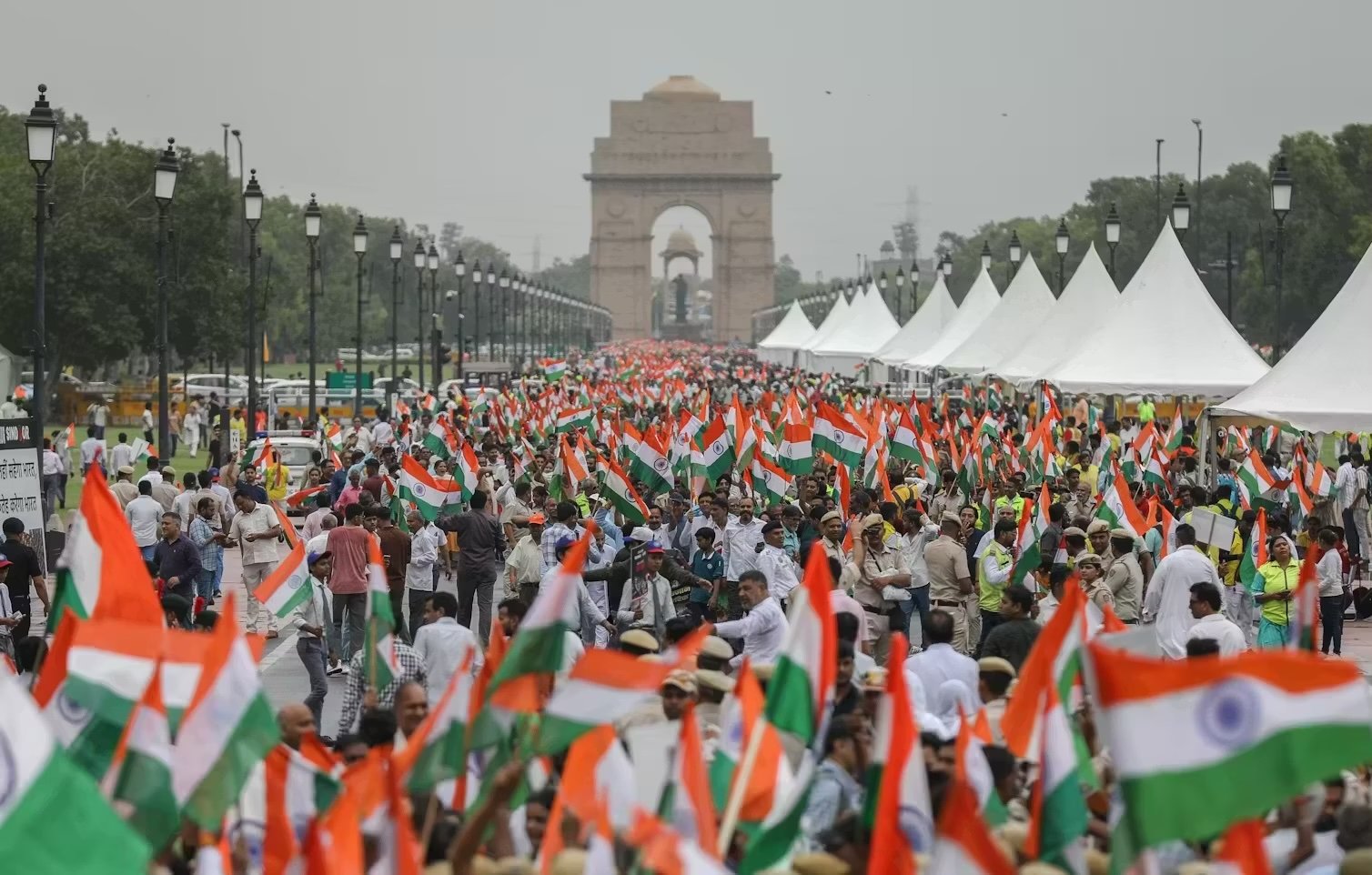
This sequence—US demand, Chinese pressure, Indian accommodation—has become a structural feature of India's foreign policy. As a returning Trump administration resumed its characteristic mix of inducement and pressure in 2025, the pattern reappeared. Prime Minister Narendra Modi's conspicuous absence from a trilateral gathering in Shenzhen in November 2025 was itself a signal, reflecting the dual constraints that have shaped his leadership in a multipolar world.
The Goldilocks trap
India's difficulty is structural. Chinese imports remain essential to its manufacturing base, while US markets and technology are equally vital for its growth trajectory. The result is a classic Goldilocks problem: India must stay close enough to each power to secure what it needs, yet distant enough to preserve autonomy. Neither Washington nor Beijing appears to coordinate explicitly to keep India in this uncomfortable middle; each responds to the other's advances, creating a form of strategic containment without conspiracy.
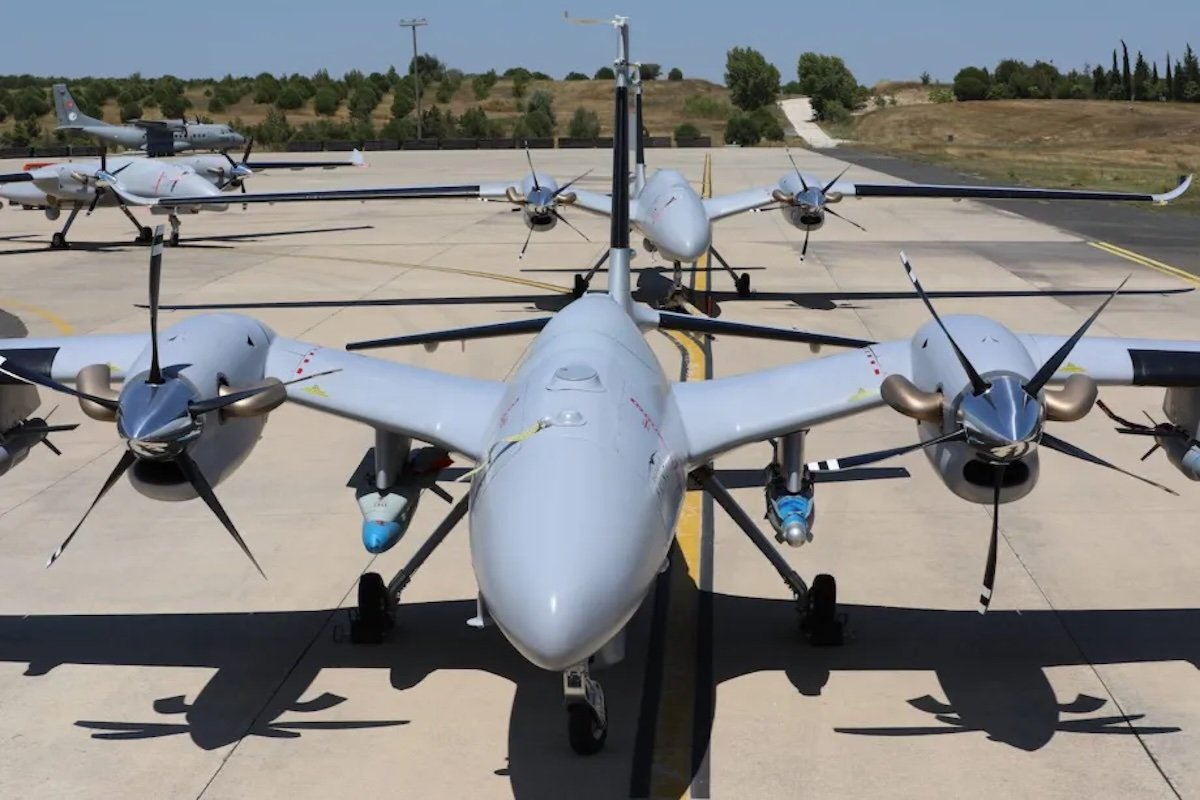
Public declarations of strategic autonomy sound impressive, but in practice, they are continually renegotiated under dual constraint. India has expanded defense partnerships, invested in domestic manufacturing, and sought closer ties with middle powers and the EU. Yet the recurring cycle consumes political attention and fiscal resources, leaving less room for the long-term power projection that genuine autonomy would require.
The limits of this performance are becoming apparent. As multipolar diplomacy reveals its hollow core, India's balancing act grows more precarious. The same dynamics that play out in private negotiations—where silence and gesture speak louder than words—now define India's strategic choices. Whether New Delhi can break this cycle remains an open question, but the pattern suggests that, like in any relationship, the most difficult conversations are often the ones held behind closed doors.