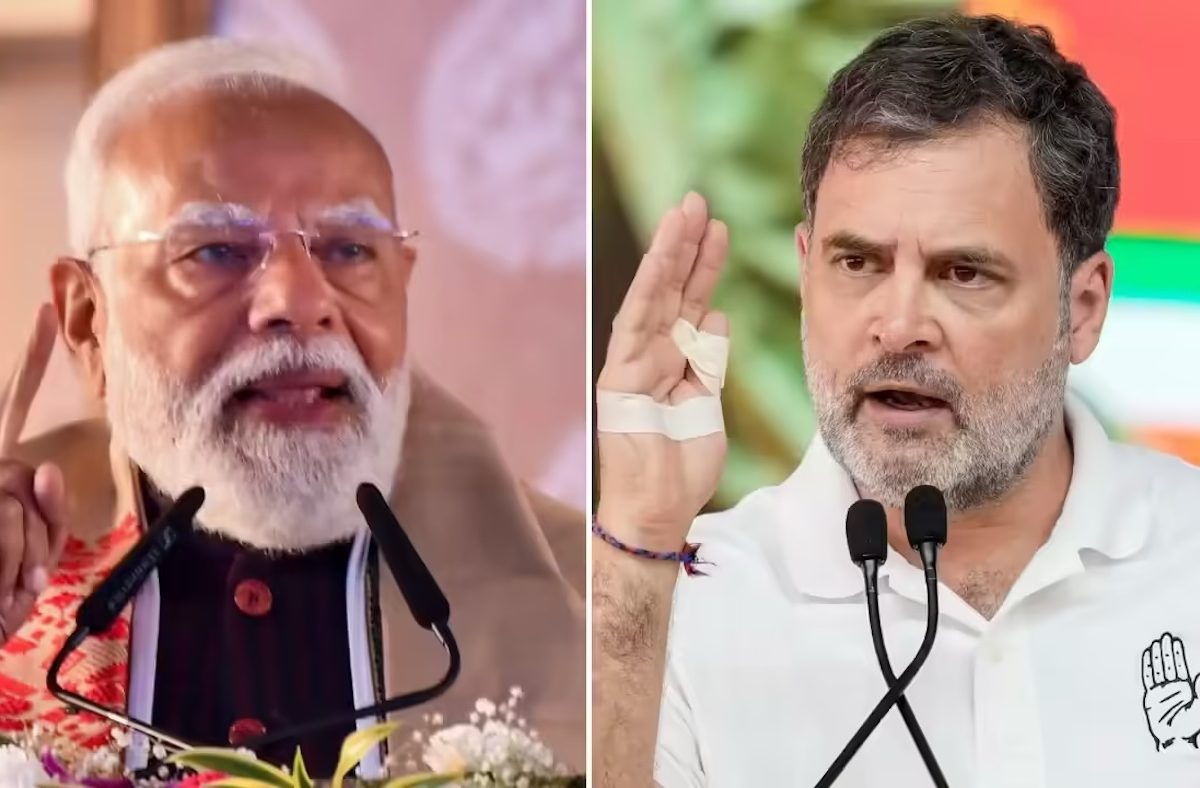
Indian Prime Minister Narendra Modi is facing sharp criticism from opposition leaders for his muted response to the deaths of three Indian sailors killed by US forces in the Gulf of Oman last week. The incident, part of the broader US military campaign against Iran under President Donald Trump, has sparked outrage in India, particularly as Washington has refused to apologize for the fatalities.
The three men were working aboard commercial oil tankers when they were struck by US missiles. The US Central Command claimed the vessels had repeatedly ignored orders from American forces, leading to what it described as precision munitions being fired into the engine room. However, the lack of any expression of regret from the Trump administration has inflamed tensions in New Delhi.
Opposition Leaders Speak Out
Rahul Gandhi, leader of the opposition Indian National Congress, took to social media on Sunday to condemn Modi's silence. “Just days after the murder of three Indian sailors in American attacks—no remorse, no apology,” Gandhi wrote, accusing the prime minister and his Bharatiya Janata Party of behaving “like an obedient servant” by failing to confront the US over the incident.
Arvind Kejriwal, a former chief minister of Delhi and a prominent opposition figure, went further, vowing that Trump “will be held accountable for the Indian lives lost.” He called the US president “a cowardly, cold-blooded murderer” and added, “It is unfortunate that PM Modi remains silent, but soon, India will have a strong prime minister who will make you pay for your misdeeds.”
Shashi Tharoor, a member of Parliament from the Congress party, took aim at US Secretary of State Marco Rubio for emphasizing that all ships operating around the Strait of Hormuz “should immediately comply with orders from US forces” or risk becoming targets. “Deeply shocking to read this official US statement, which contains absolutely no expression of regret or condolence for the loss of innocent Indian lives,” Tharoor wrote. “How can a ‘friend’ and strategic partner be so deeply insensitive?”
Tharoor also highlighted the vulnerability of Indian seafarers, noting that “practically every merchant ship navigating these crucial waters has Indian crew on board.” He questioned whether they are “all considered fair game for US missiles now.”
The incident underscores the precarious position of Indian nationals working in conflict zones, particularly in the Persian Gulf and the Indian Ocean. The region has seen a resurgence of maritime threats, including Somali piracy, which has further complicated shipping safety. The US military campaign against Iran has also strained supply chains across Asia, as Japan has experienced.
Modi's government has yet to issue a formal statement demanding an apology or compensation from Washington. This silence has fueled accusations that the prime minister is prioritizing strategic ties with the US over the lives of Indian citizens. The opposition's criticism comes at a time when India's diplomatic relations with the US are under scrutiny, particularly amid broader regional tensions involving China and the Taiwan Strait.
As the controversy continues to simmer, the question remains whether Modi will address the issue directly or continue to avoid a confrontation with the Trump administration. For now, the families of the deceased sailors await answers, while opposition leaders demand accountability.