Tehran has sharply criticized the European Union's response to its military actions against US installations in the Middle East, accusing Brussels of practicing "selective moral outrage" as the Trump administration escalates its campaign against Iran. The exchange comes amid stalled peace talks and a widening conflict that now involves naval blockades and strikes on commercial shipping.
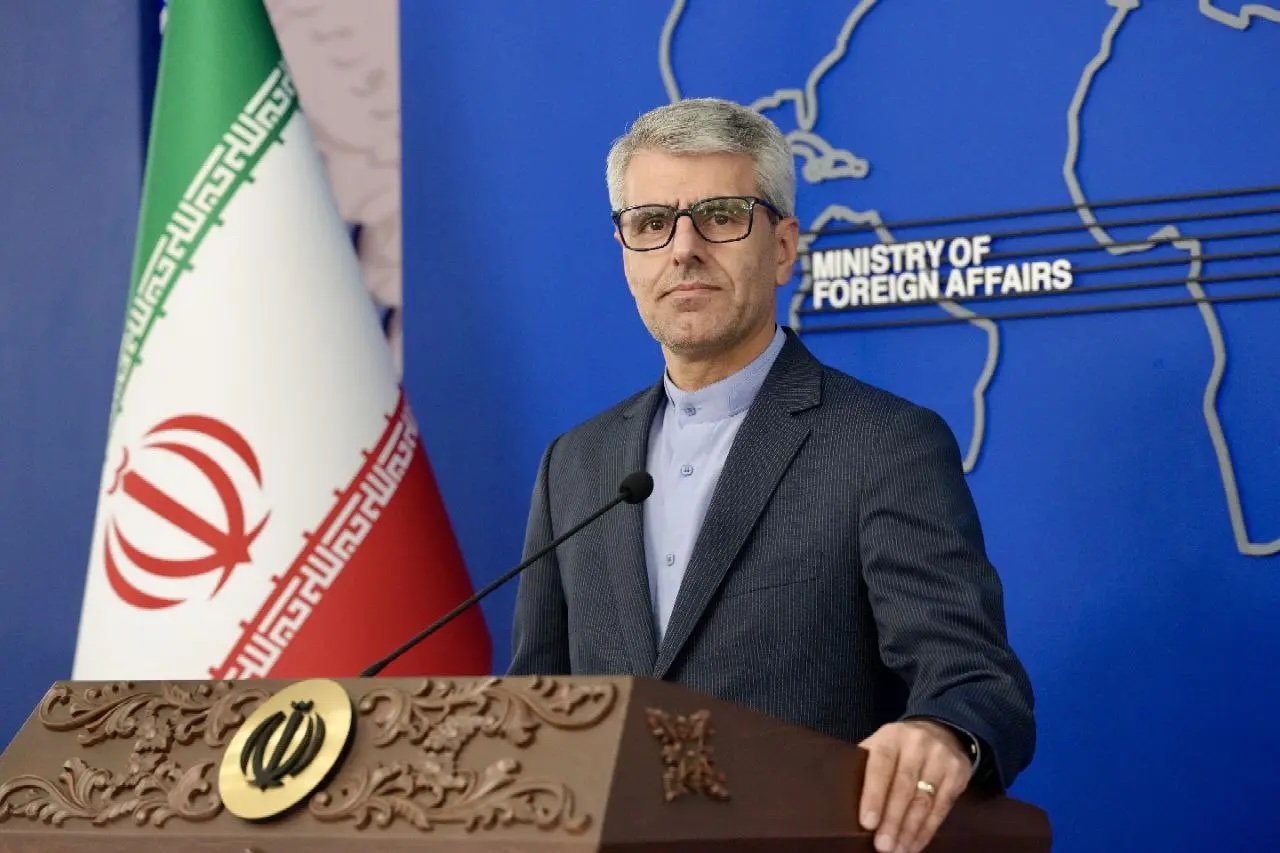
Esmaeil Baqaei, spokesperson for Iran's Foreign Ministry, said EU leaders were "blaming Iran for exercising its right to self-defense against US aggression launched from bases in neighboring countries." He was referring to Iranian attacks on US air bases in Kuwait, which Tehran says were retaliation for US strikes launched from those facilities. "The EU must remain faithful to the rule of law and the principles of the UN Charter that it has long claimed to uphold. It must stop appeasing aggressors while blaming those who respond to unlawful attacks," Baqaei added.
Baqaei's statement followed a European Commission spokesperson's condemnation of an Iranian attack on a US air base in Kuwait last week, which injured at least four US servicemembers and several American contractors. The EU called the strike a violation of Kuwait's sovereignty. Iran countered that states have "an established legal obligation not to allow their territory or assets to be used for invading other countries."
Escalation on Multiple Fronts
The Iranian military said it targeted another US air base on Sunday in response to new attacks by the Trump administration, which launched its military campaign against Iran in late February. While Iran did not specify the location of its latest target, Kuwait confirmed late Sunday that its "air defenses are currently confronting hostile missile and drone attacks."
The US Central Command (CENTCOM) announced over the weekend that it had carried out strikes on "Iranian radar and command and control sites for drones," describing them as "self-defense strikes" and a "measured and deliberate response" to "aggressive Iranian actions." Brian Finucane, a senior adviser to the US Program at the International Crisis Group, noted that the administration's use of the terms 'aggression' and 'self-defense' is "thoroughly in 'war is peace' territory."
The US military also attacked a Gambia-flagged commercial ship in the Gulf of Oman over the weekend, enforcing a naval blockade that Iran has condemned as illegal. Tehran insists the blockade must be lifted as part of any peace agreement.
Meanwhile, CBS News reported that the broad outlines of a potential peace deal include a 60-day cessation of violence, clauses for reopening the Strait of Hormuz, and a framework to resume negotiations on Iran's nuclear program. Multiple sources told CBS that the arrangement could involve sanctions relief allowing Iran to access billions in frozen assets, contingent on diplomatic progress.
Mohammad Bagher Ghalibaf, Iran's top negotiator, said early Monday that the Trump administration's naval blockade and Israel's "escalation of war crimes in Lebanon" represent "clear evidence of US noncompliance with the ceasefire." He added, "Every choice has a price, and the bill comes due. It will all fall into place."
President Donald Trump, writing on his social media platform, struck a more optimistic tone: "Iran really wants to make a deal, and it will be a good one for the USA and those that are with us. Just sit back and relax, it will all work out well in the end."
The widening conflict has implications beyond the Middle East. For Asian economies, the disruption to shipping in the Gulf of Oman and the Strait of Hormuz threatens energy supplies and trade routes critical to countries like Japan, South Korea, and India. The Bank of Japan is already grappling with inflationary pressures from the conflict, while the Quad's structural resilience is being tested as Washington's focus shifts to the Middle East. Meanwhile, Trump's push to expand the Abraham Accords faces insurmountable hurdles as regional skepticism grows.