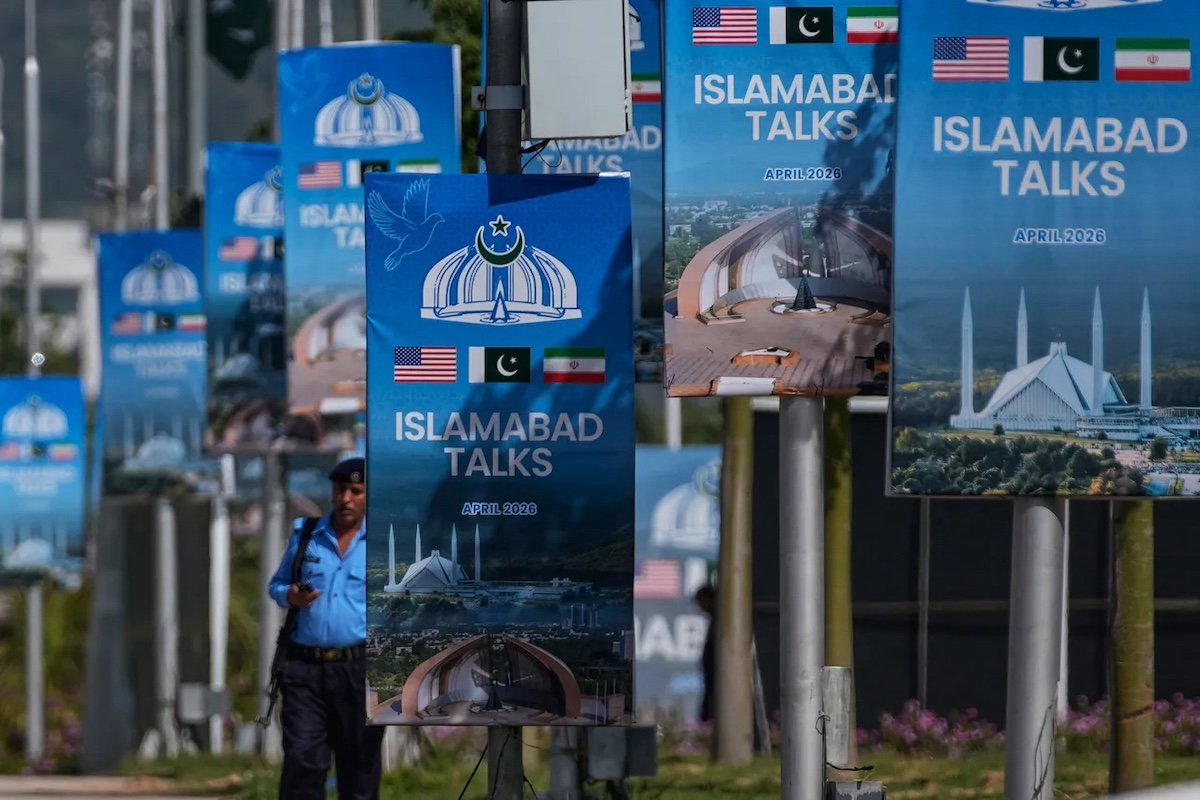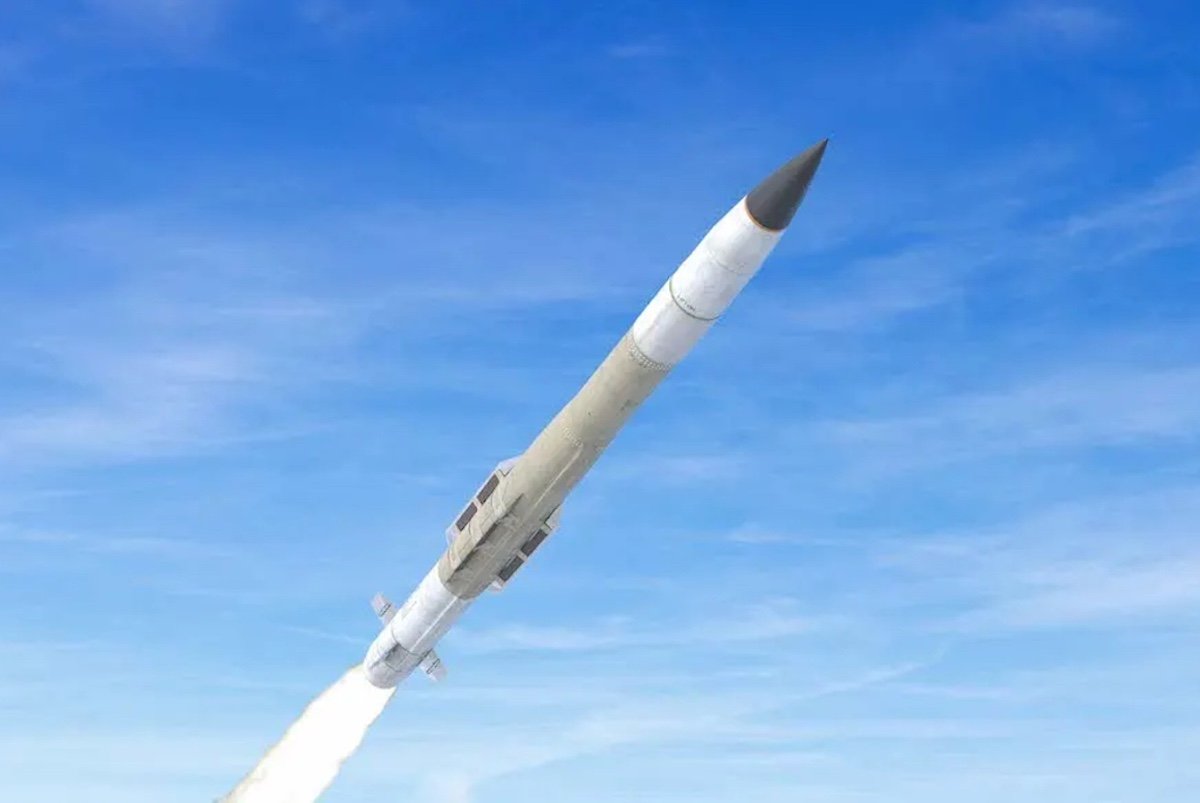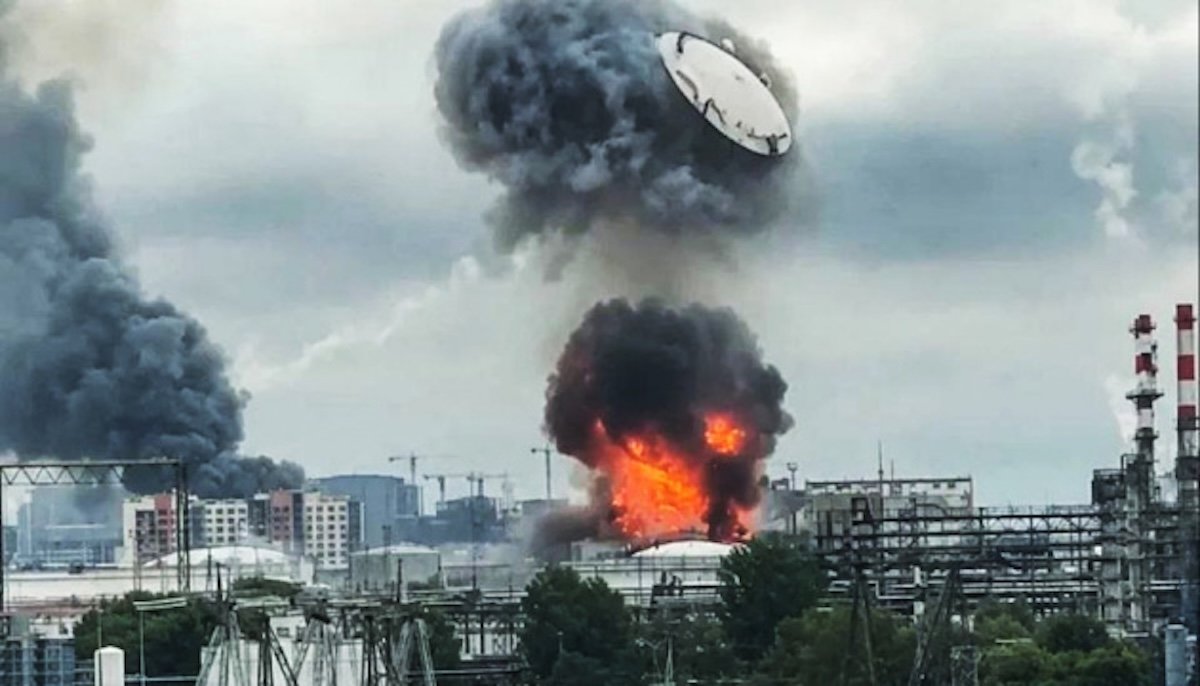
The ongoing conflict between the United States, Israel, and Iran has placed unprecedented strain on global munitions stockpiles, creating a surge in demand for a critical but often overlooked metal: tungsten. This dense, heat-resistant element is essential for armor-piercing projectiles, aircraft engine components, and high-performance steel alloys used in military hardware. Without a steady supply of tungsten, modern armed forces would face severe operational challenges.
Yet the global tungsten market is remarkably small. Annual production totals roughly 84,000 metric tons, a fraction of the 2.6 billion tons of iron ore mined each year. Tungsten is classified as a minor metal, not traded on open exchanges like the London Metal Exchange, making pricing opaque and supply chains vulnerable to disruption.
China's Strategic Grip on Tungsten
China dominates the tungsten industry, accounting for approximately 80% of global mined output. Beijing has leveraged this position through a sophisticated state-controlled trading and licensing regime. Exports of key tungsten derivatives are restricted to a whitelist of authorized state-owned firms, funneling supply through a government-monitored pipeline. In February 2026, China imposed additional export controls and reduced mining quotas, further tightening availability.
This dominance has forced Western nations to rely heavily on Chinese tungsten, a situation that has become increasingly precarious. The United States ceased commercial tungsten mining in 2015, unable to compete with China's low-cost production. For countries like the United Kingdom, the push to secure alternative sources has never been more urgent.
The conflict in the Middle East has exacerbated the problem. Military demand for tungsten has risen 12% this year alone, driven by intensive use in helicopters, fighter jets, and munitions. Every kinetic interceptor and armor-piercing round further drains already limited stockpiles. Global logistics are also complicated by shipping disruptions caused by the war, hampering the movement of mining equipment and supplies to the few non-Chinese mines.
UK Revives Domestic Tungsten Mining
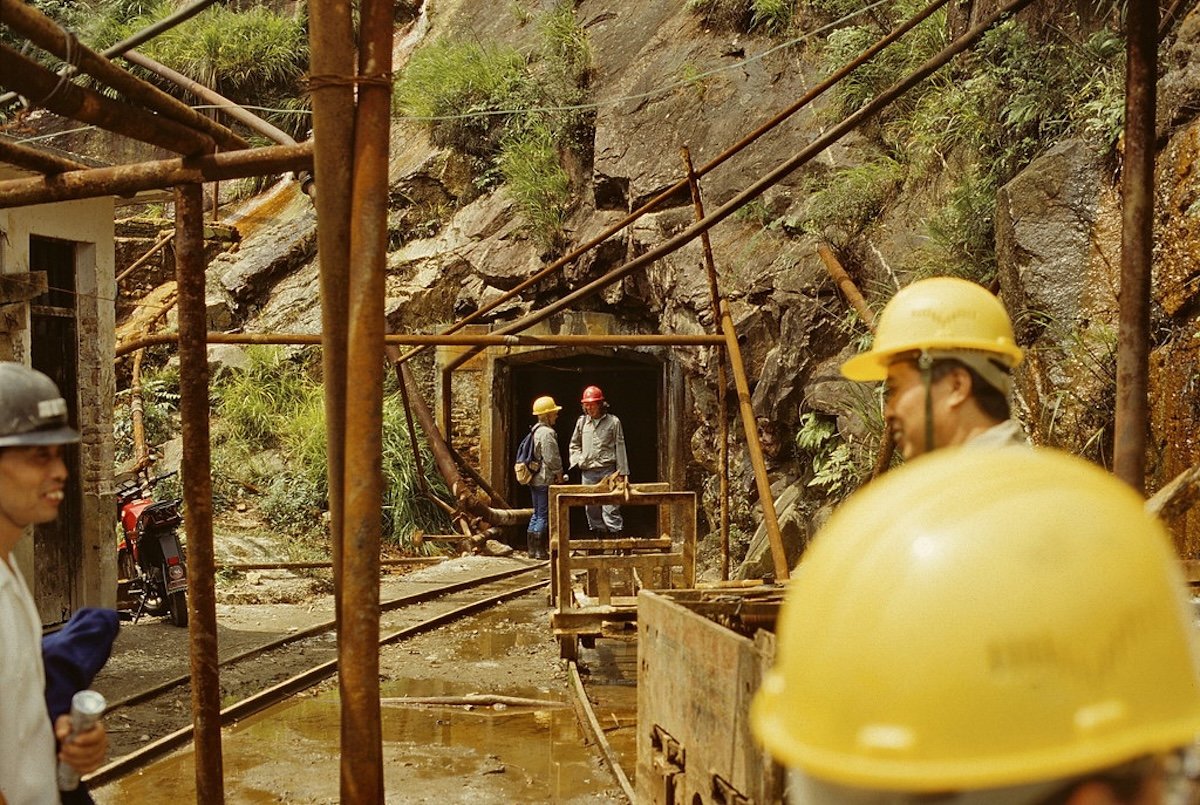
In response, the UK is reviving the Hemerdon Mine in Devon, which hosts the fourth-largest tin-tungsten deposit in the world. The project, led by mining development company Tungsten West, is described as shovel-ready and could provide a strategic buffer against supply disruptions. Further south, Cornwall Resources' Redmoor site has revealed high-grade tungsten, tin, and copper deposits, offering additional potential.
Tungsten also benefits from a relatively high recycling rate of 42%, meaning a significant portion of end-of-life tungsten is recovered and reused. In Western markets, where China's dominance makes primary production less competitive, recycled scrap accounts for roughly 70% of supply. This scrap comes from both manufacturing waste and retired products.
History suggests that supply shortages can spur innovation. During World War II, a critical shortage of molybdenum—another strategic metal—forced UK metallurgists at Vickers to develop recycling methods for mining drill bits. A similar dynamic may now unfold for tungsten, as Western defense industries seek to reduce dependence on Chinese supply.
The broader implications extend beyond military hardware. Tungsten is also used in electronics, cutting tools, and aerospace components. China's export controls have already introduced friction into supply chains for these sectors, raising costs and prompting companies to explore alternatives. The US sanctions on Chinese firms over Iran oil have further complicated the geopolitical landscape, as Beijing vows to protect its companies from extraterritorial measures.
For Southeast Asia, the conflict has accelerated a strategic recalibration away from the United States, as detailed in our analysis. Meanwhile, India's purchase of Russian R-37M missiles to counter Pakistan's China-backed air power underscores the region's shifting military dynamics, as reported in this piece.
The tungsten shortage is a stark reminder of how a single metal can shape global military and economic power. As the Iran conflict continues to drain stockpiles, the race to secure alternative sources—whether through mining, recycling, or innovation—will define the strategic resilience of Western nations in the years ahead.