The wars in Ukraine and the Middle East have thrust drones into the global spotlight, but the term now encompasses a vast range of systems—from hobbyist quadcopters available on Amazon to the sophisticated Predator and Reaper platforms that the United States has deployed for two decades against terrorist groups.
Just as species diverge under environmental pressure, drones have undergone rapid speciation. One-way attack drones, medium-altitude long-endurance (MALE) systems, high-altitude long-endurance (HALE) platforms, and collaborative combat aircraft share a common lineage but differ dramatically in cost, range, and mission. The most consequential of these is the one-way attack drone: a system designed not to return, but to fly directly into a target and destroy it, much like a bullet or missile.
Since 2022, Russia and Ukraine have fired millions of such drones at each other. In 2026, Iran launched thousands at US military bases, embassies, and allied nations across the Middle East, including Israel, Bahrain, Kuwait, the United Arab Emirates, and Saudi Arabia. The world has entered an era of precise mass, where inexpensive but technologically sophisticated drones combine the scale of massed firepower with the accuracy of precision munitions.
From Cruise Missiles to Cheap Drones
Historically, military power was measured by sheer numbers—knights, soldiers, guns, or tanks. During the Cold War, advanced militaries shifted toward precision munitions like cruise missiles, achieving advantage with fewer but more accurate weapons. Now, commercial manufacturing, precision guidance, and advances in artificial intelligence and autonomy have democratized the ability to strike adversaries accurately.
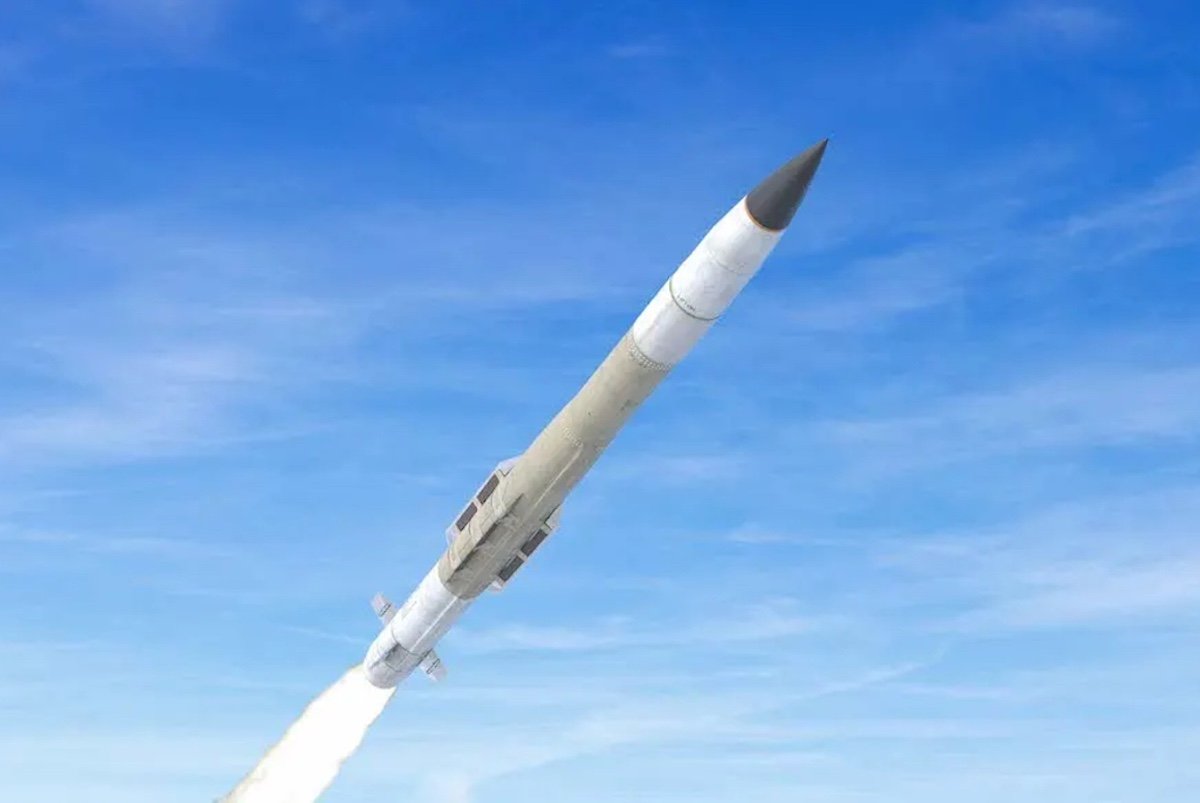
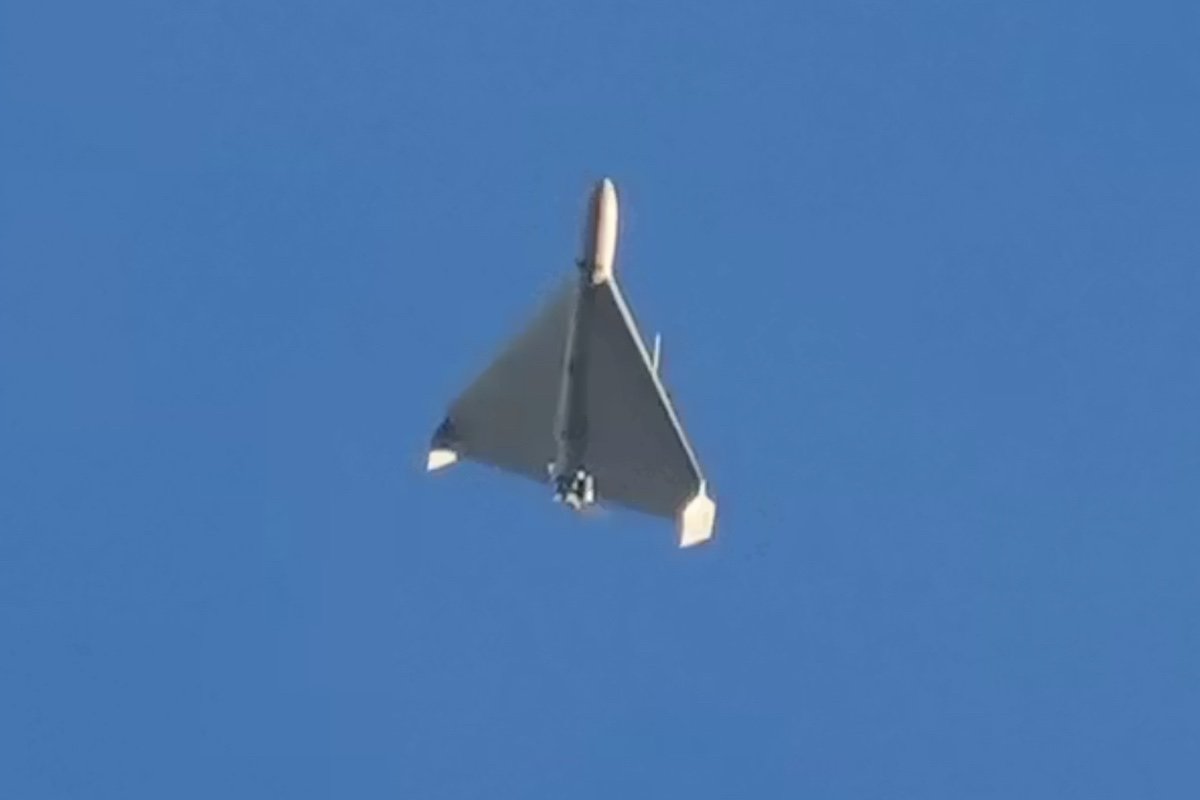
Iran’s Shahed-136 one-way attack drone exemplifies this shift. With a reported range of up to 2,000 kilometers (1,250 miles) and a unit cost between $20,000 and $50,000, it is an extremely cheap cruise missile. By contrast, a US Tomahawk cruise missile costs approximately $2 million each. Russia quickly acquired the Shahed technology after its 2022 debut, producing its own version, the Geran-2, and using it to pummel Ukrainian cities and energy infrastructure. The US military has since reverse-engineered its own variant, the LUCAS, which debuted during Operation Epic Fury against Iran starting February 28, 2026.
Since late February 2026, Tehran has fired thousands of one-way attack drones at targets across the Middle East. These drones have struck buildings in Bahrain, Kuwait, and the UAE, and damaged the US Embassy in Saudi Arabia. The UAE alone was targeted by nearly 700 Iranian drones in the war’s early days. They have killed US service members and destroyed critical American radar systems. While long-range one-way attack drones are slower and easier to shoot down than Tomahawk missiles, attackers can fire them in such numbers that they overwhelm air defense systems—a tactic known as saturation.
The second category of one-way attack drones operates like traditional artillery, typically from short distances up to about 160 kilometers (100 miles). Ukraine’s battlefield has showcased these systems extensively, where they generate 60% to 70% of casualties on the front lines. First-person-view (FPV) drones, often built for a few hundred dollars from commercial parts purchased online, are controlled by operators wearing video goggles, with interfaces resembling video games. They fly directly into Russian vehicles, fortifications, and troops.
FPV drones are not invulnerable. They require a continuous data link, making them susceptible to electronic jamming. To counter this, many Ukrainian FPV drones now use fiber-optic cables for physical communication, avoiding jamming but limiting range to about 20 kilometers (12 miles) and risking cable cuts. Effective operation also demands skilled pilots.
The US-Israel war with Iran paused on April 7, but if ground forces are deployed again, they would likely face the kind of short-range drone barrages that have terrorized both Russian and Ukrainian forces. The threat has proven so difficult to stop that Ukraine has resorted to low-tech solutions: hundreds of kilometers of roads are now covered with nets, donated by European fishermen and farmers, which stop FPV drones by tangling their propellers. Nets cover tanks, hospital courtyards, supply routes, and city streets. Ukraine’s government plans to install about 4,000 kilometers (2,500 miles) of netting on key roads by the end of 2026.
This democratization of precision warfare has profound implications for the Indo-Pacific. As the US military grapples with the cost dilemma of million-dollar missiles versus cheap drones, adversaries from North Korea to non-state actors in Southeast Asia are taking note. The ability to field swarms of inexpensive, accurate drones could shift the balance of power in contested regions like the South China Sea or the Korean Peninsula. Meanwhile, Russia’s threats to European drone suppliers underscore the global supply chain vulnerabilities that enable this new form of warfare.
Iran’s drone program, built on commercially available technology, has demonstrated that precision strikes are no longer the exclusive domain of wealthy militaries. For Asian nations, the lesson is clear: the future of conflict will be shaped by cheap, mass-produced drones that can deliver precision effects at a fraction of the cost of traditional weapons.