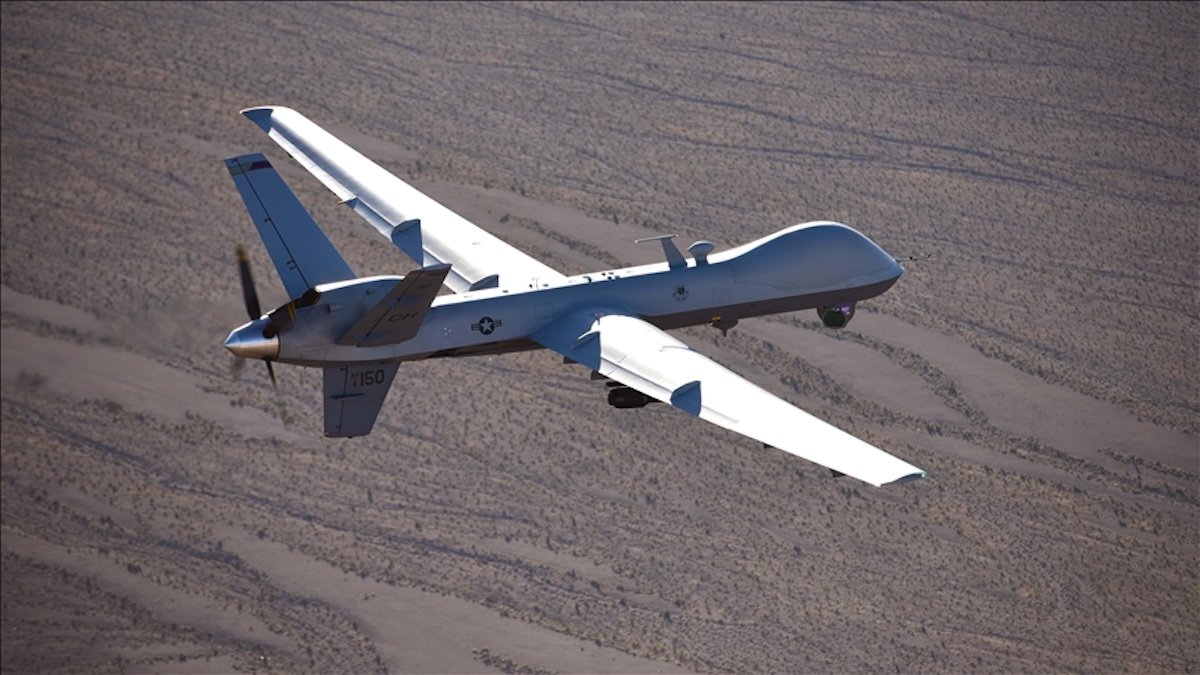
Tehran — The Iranian military announced early Tuesday that it had shot down an American MQ-9 Reaper drone, hours after the Trump administration carried out what it described as “self-defense strikes” in southern Iran. The incident adds a fresh layer of volatility to already fragile negotiations between Washington and Tehran over a potential ceasefire and nuclear deal.
The Islamic Revolutionary Guard Corps (IRGC) said in a statement carried by Iranian state media that its forces downed the Reaper drone and also fired on an RQ-4 drone and an F-35 fighter jet that had entered Iranian airspace. The IRGC characterized its actions as defensive and warned that it reserved the right to respond to any ceasefire violations by US forces.
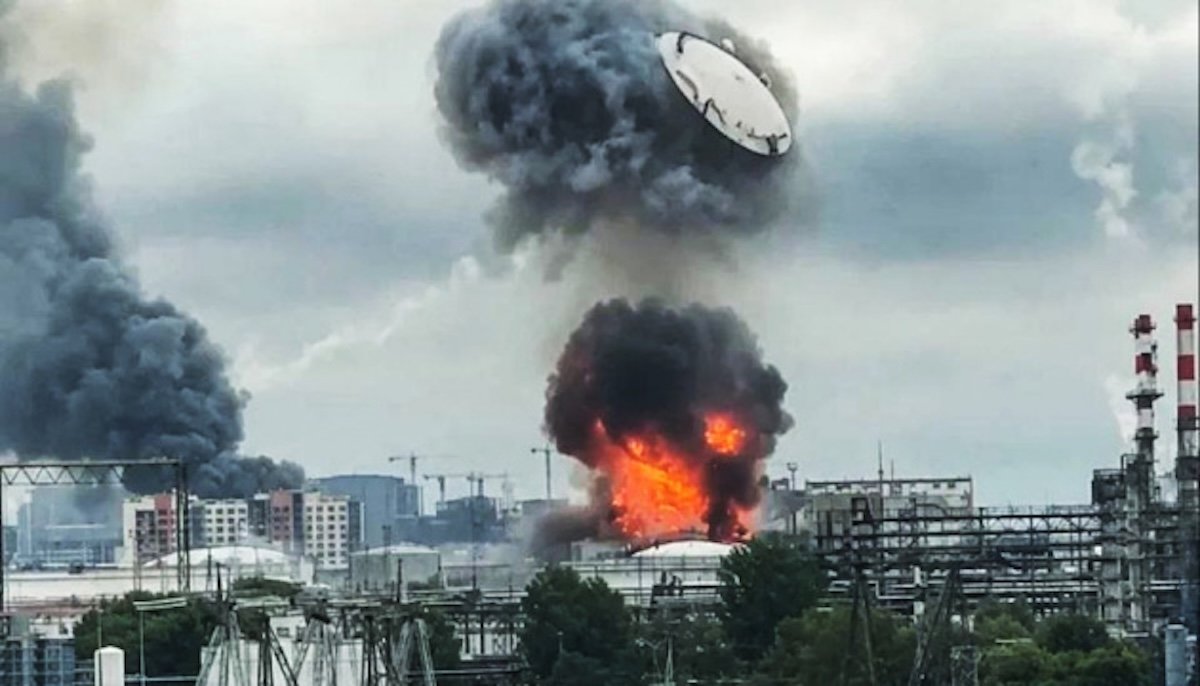
The US Central Command (CENTCOM) announced late Monday that American forces had conducted strikes in southern Iran targeting “missile launch sites and Iranian boats attempting to emplace mines.” The strikes were framed as necessary to protect US troops from threats posed by Iranian forces.
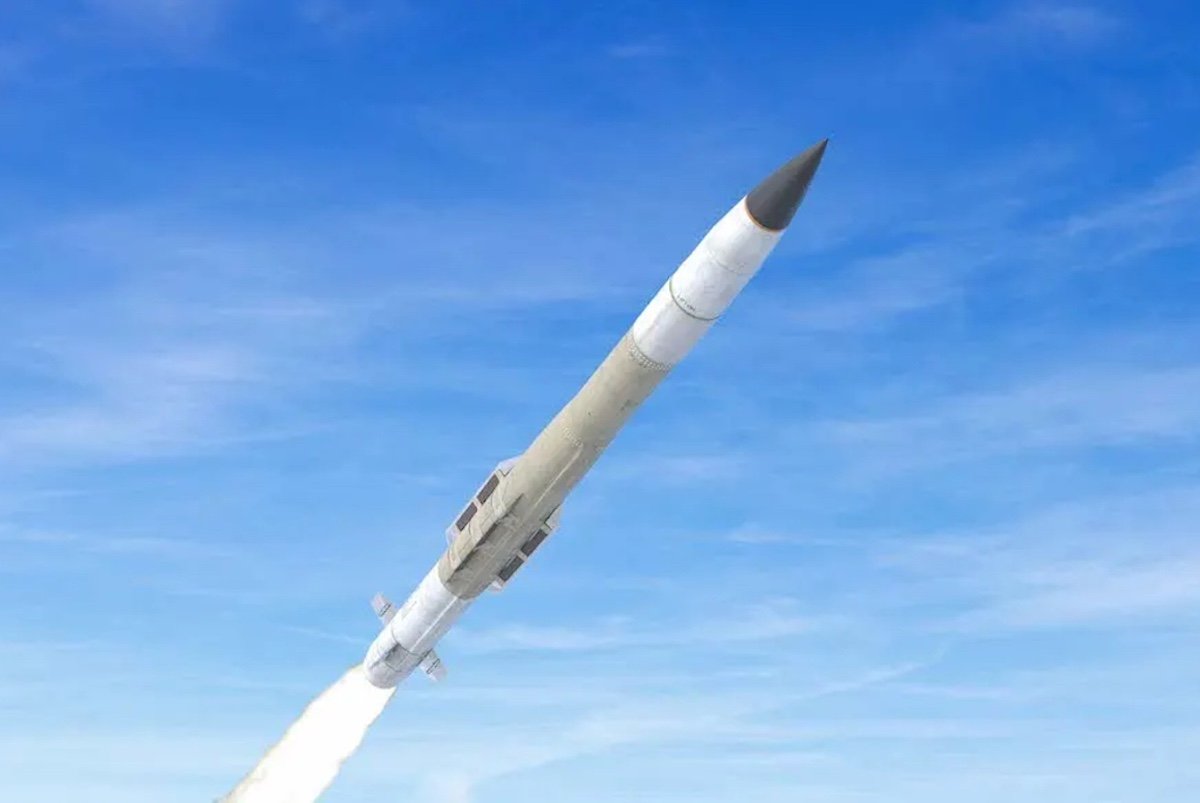
Hamidreza Azizi, a visiting fellow at the German Institute for International and Security Affairs, noted that the Iranian account offered a more detailed timeline. According to Azizi, the exchange unfolded over roughly 24 hours, beginning with a US attack on two IRGC naval boats that killed four Iranian personnel. Iran responded with anti-ship missiles aimed at US vessels, and Iranian air defenses subsequently shot down at least one—some reports say three—US drones operating in the area. The US then struck Iranian anti-ship missile launch sites and air defense systems, prompting another round of Iranian anti-ship missile fire at American ships in the Arabian Sea.
Independent verification of these claims, including casualty figures and damage assessments, remains limited. Both sides have framed their actions as responses to the other’s aggression, a pattern that has become familiar in the conflict.
Multiple Rounds of Escalation
The more significant development is that the exchange has now moved through multiple rounds of attack and counter-attack within a single 24-hour period. That pattern is harder to contain than a single incident and raises questions about how it interacts with the indirect negotiations currently underway.
Iran has publicly pushed back against President Donald Trump’s claim that a peace deal is imminent. Esmail Baghaei, a spokesperson for Iran’s Foreign Ministry, told reporters on Monday that while “a large portion of the issues under discussion” had been resolved, no one could claim that an agreement was about to be signed. Iranian officials have cited frequently shifting US positions and Israeli “sabotage” as obstacles during the talks.
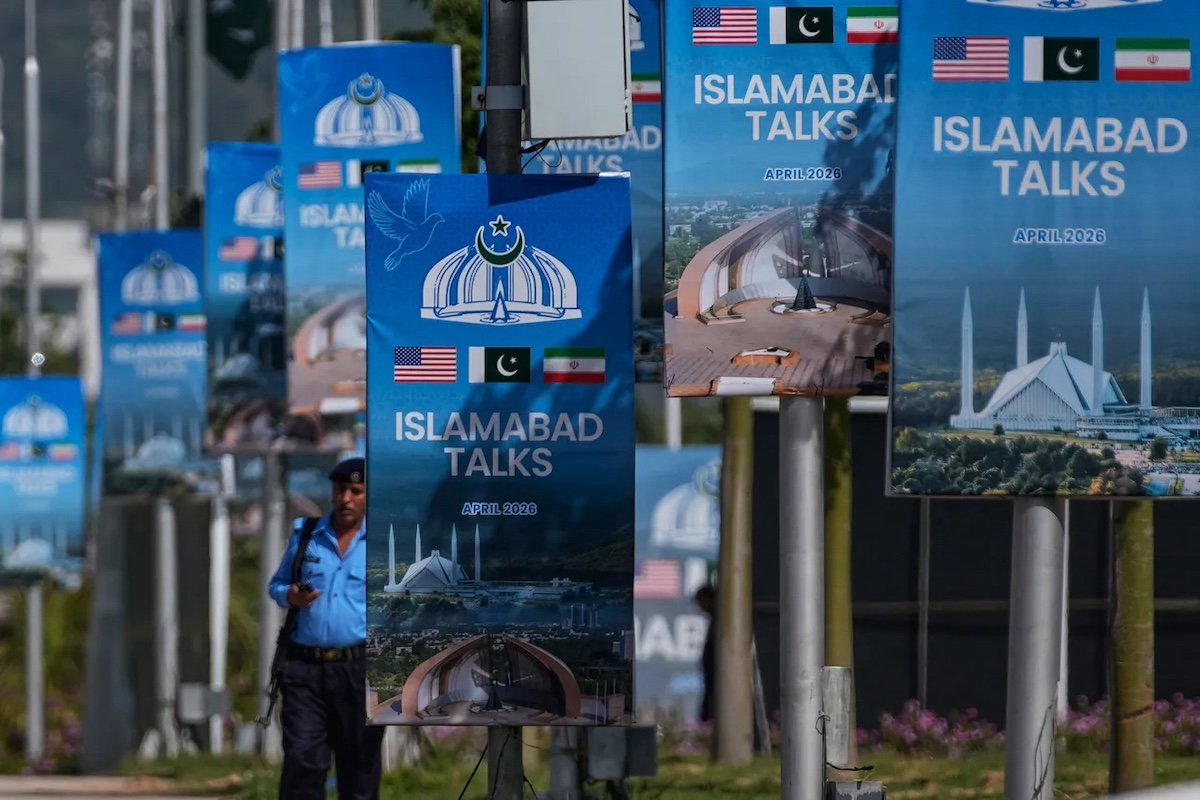
The Wall Street Journal reported Monday that the two sides are working toward a memorandum of understanding that would include a ceasefire, a 30-day negotiation period for a broader agreement, and the reopening of the Strait of Hormuz. Relief from sanctions would depend on progress, a senior US administration official said. The US is seeking clearer commitments from Iran about its nuclear program up front, while Iranian negotiators are pressing for details on sanctions relief and asset freezes.
Trump declared on social media Monday evening that Iran’s enriched uranium “will either be immediately turned over to the United States to be brought home and destroyed or, preferably, in conjunction and coordination with the Islamic Republic of Iran, destroyed in place.” Iran has not formally agreed to such terms.
Samir Puri, a visiting lecturer in war studies at King’s College London, told Al Jazeera that the new US strikes create an “extremely precarious situation” for negotiators. “Fighting and talking at the same time is quite a common thing in a negotiation at the end of a conflict that has been very intense and hasn’t been resolved,” Puri said. “The key is to keep talking and to not allow the talks to collapse by these escalations.”
Puri added that it remains unclear whether the current escalation is “the storm before the calm or the calm before the storm.” The negotiations may need to absorb further escalations for days, weeks, or even months.
The incident also highlights the growing role of drones in modern warfare. As drone dominance redefines modern warfare, the ability to down advanced unmanned systems like the MQ-9 Reaper has become a key metric of military capability. Iran’s own drone industry has proven resilient, surviving US strikes through dispersal and redundancy, as our previous analysis has shown.
For now, the path to a diplomatic resolution remains uncertain, with both sides locked in a cycle of escalation that threatens to undermine the very talks meant to end it.