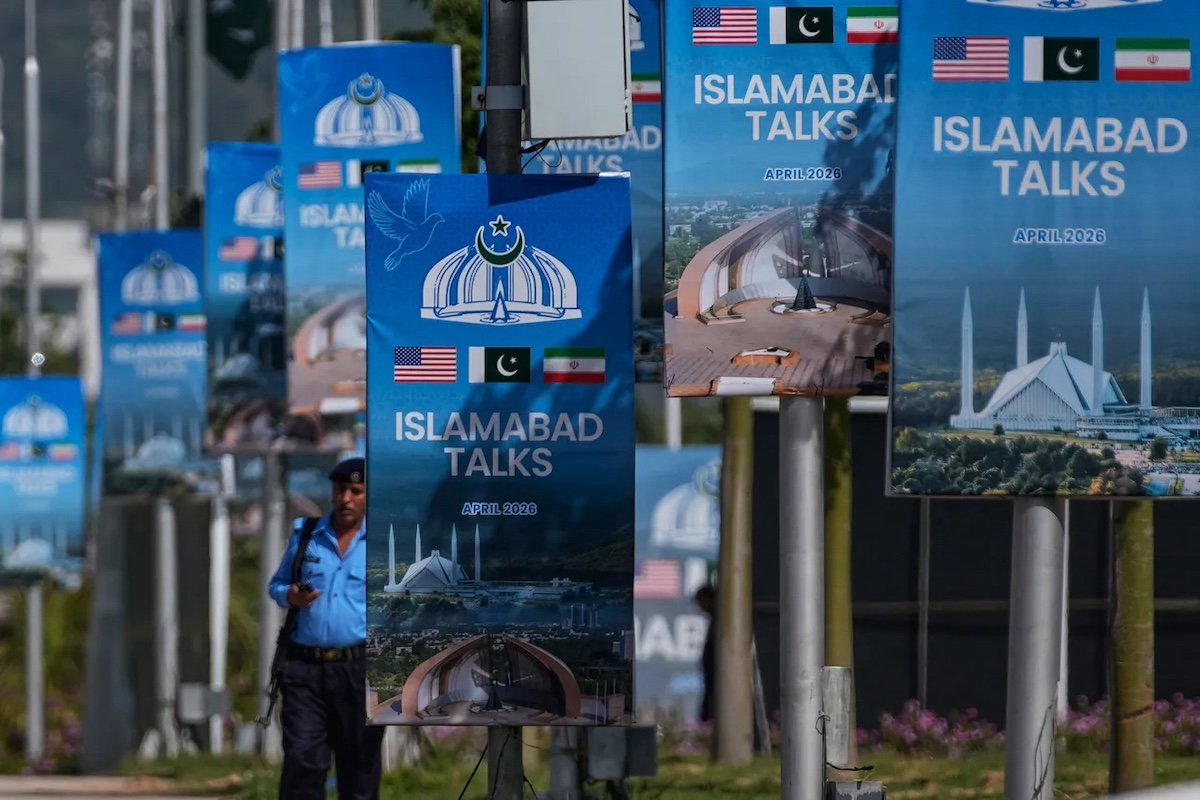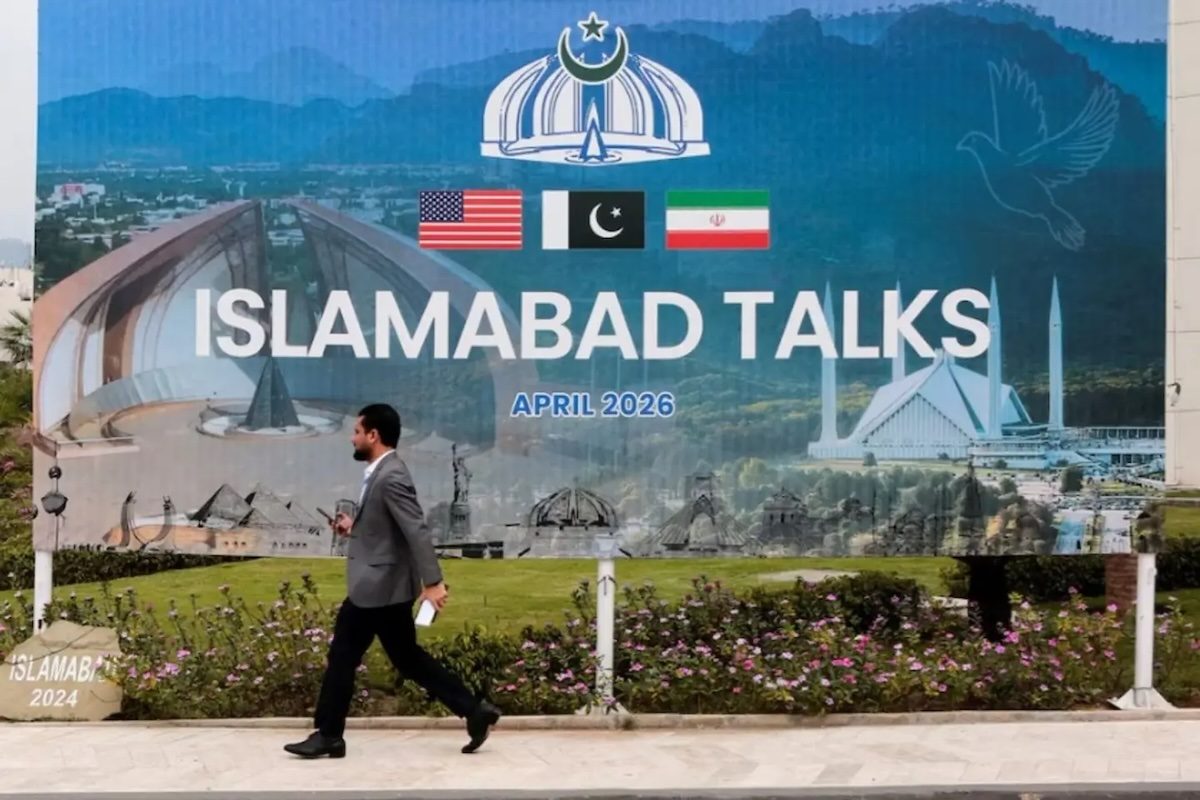
Iranian Foreign Minister Abbas Araghchi departed Islamabad on Saturday after holding talks with Pakistani officials, stating he had relayed Tehran's position on a framework to permanently end the US-led war on Iran. In a social media post, Araghchi added that he had yet to see if Washington was genuinely serious about diplomacy.
Hours later, US President Donald Trump abruptly canceled a planned visit by his envoys Jared Kushner and Steve Witkoff to the Pakistani capital for further negotiations, complaining that the trip would be 'too much work.' The cancellation came despite the White House insisting earlier that the envoys would hold another round of direct talks with Iranian officials after previous discussions ended without a deal.
Iranian officials had repeatedly stated in recent days that they had no intention of engaging in direct talks with the Trump administration as long as the US naval blockade remained in effect. The blockade, part of the broader conflict, has been a key sticking point. Trump's decision to call off the delegation trip has fueled skepticism about the administration's diplomatic strategy.
Jeremy Scahill of Drop Site News observed that this pattern has occurred repeatedly: Trump claims Iran is begging for talks, Iran denies it, and then it becomes clear that Iran meant what it said. Scahill wrote that there is no question it is the US that is seeking direct talks right now, not Iran. He added that Iran still believes it is likely the US and Israel will resume the war and has prepared new forms of retaliatory strikes, including in the Strait of Hormuz.
Strategic Stalemate and Regional Fallout
The cancellation highlights the broader impasse in the conflict, which has inflicted heavy costs on all sides. Sina Toossi, a senior fellow at the Center for International Policy, wrote that Trump cannot hide his desperation for a deal, inventing fractures in Tehran to explain being repeatedly stood up. Iran's line remains unchanged: demanding the blockade be lifted and holding to its core red lines. They are playing hardball while Trump spins.
Trump's decision came hours after NBC News reported that American military bases and equipment in the Persian Gulf region suffered extensive damage from Iranian strikes, far worse than publicly acknowledged, expected to cost billions of dollars to repair. Toossi described the Iran war as a tactical and strategic disaster, noting that despite efforts to control the narrative, the extent of damage to US bases is becoming clear.
Meanwhile, Defense Secretary Pete Hegseth, at a Pentagon press briefing on Friday, issued threats to journalists who publish classified information and used violent rhetoric. He stated that the US military would 'shoot and kill' if Iranian boats attempted to disrupt passage through the Strait of Hormuz, which remains closed following an extension of the ceasefire. Hegseth also referenced strikes on drug boats in the Caribbean, which have killed at least 180 people, in an operation widely condemned as extrajudicial killings.
In a surreal moment, a representative from the celebrity news outlet TMZ, which has expanded its political coverage, asked Hegseth about the psychological impact of ordering deadly strikes. Hegseth dismissed the query as 'a very TMZ question' and denied any power trip, but the exchange underscored the unusual nature of the current administration's approach to war and media.
The developments in Islamabad and Washington come amid broader regional tensions. For more context on the strategic failures of the campaign, see Trump's Iran War: Three Strategic Goals, Three Failures, One Debacle. The ongoing blockade and ceasefire dynamics are explored in Trump Extends Iran Ceasefire, Maintains Naval Blockade Amid Regional Tensions. The role of Pakistan as a potential mediator remains uncertain, as the US and Iran remain far apart on key issues.