Israel's renewed military campaign in Lebanon, which escalated to full-scale war on March 2, 2026, appears to be repeating patterns that have historically failed to achieve lasting security. The Israeli government under Prime Minister Benjamin Netanyahu has pursued two intertwined objectives: weakening the Islamic Republic of Iran and eliminating the threat posed by Hezbollah, the Lebanese Shiite group that has challenged Israel for 44 years.
The logic behind this approach was that Hezbollah would collapse if stripped of its Iranian patron. However, direct Israeli military action and internationally supported disarmament efforts have not succeeded in the past, and the current campaign faces similar obstacles. As of June 1, 2026, over a million Lebanese have been displaced and more than 3,300 killed since March, while on the Israeli side, 24 soldiers and 4 civilians have died.
Iran's Leverage and Hezbollah's Resilience
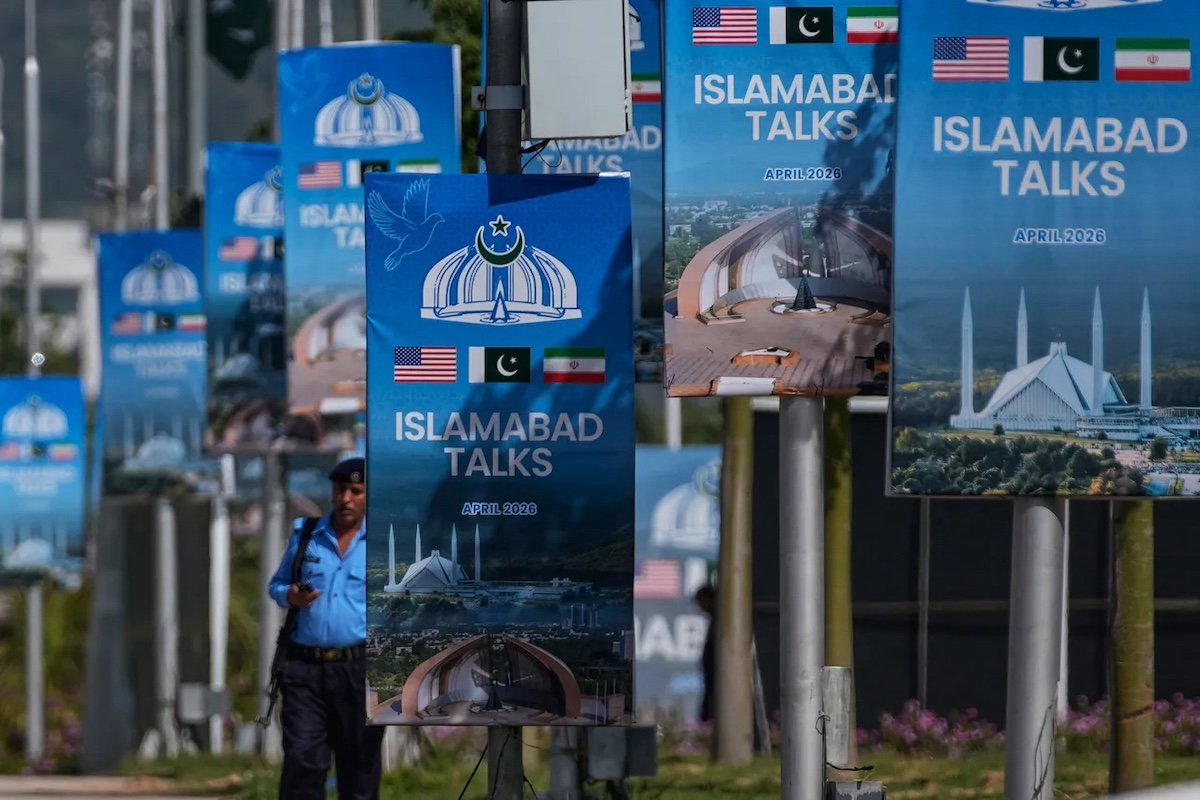
Contrary to Israeli hopes, Iran's support for Hezbollah has not been severed by the ongoing Iran war. Tehran has conditioned a potential deal with Washington on a complete halt of Israeli hostilities in Lebanon, a move designed to safeguard Hezbollah's political and military standing. This has created a complex dynamic where the resolution of the Lebanon conflict depends on how US President Donald Trump navigates Iranian demands.
Israel seeks to decouple its Lebanon front from the wider regional conflict, aiming to maintain its military campaign independently of US-Iran negotiations. However, the Trump administration has largely excluded Israel from the specifics of its Iranian dialogue while restricting Israeli operations in Lebanon to strikes in the south and the Bekaa Valley, prohibiting attacks on state infrastructure. Netanyahu's ordering of attacks on Beirut on June 1 tested these limits.
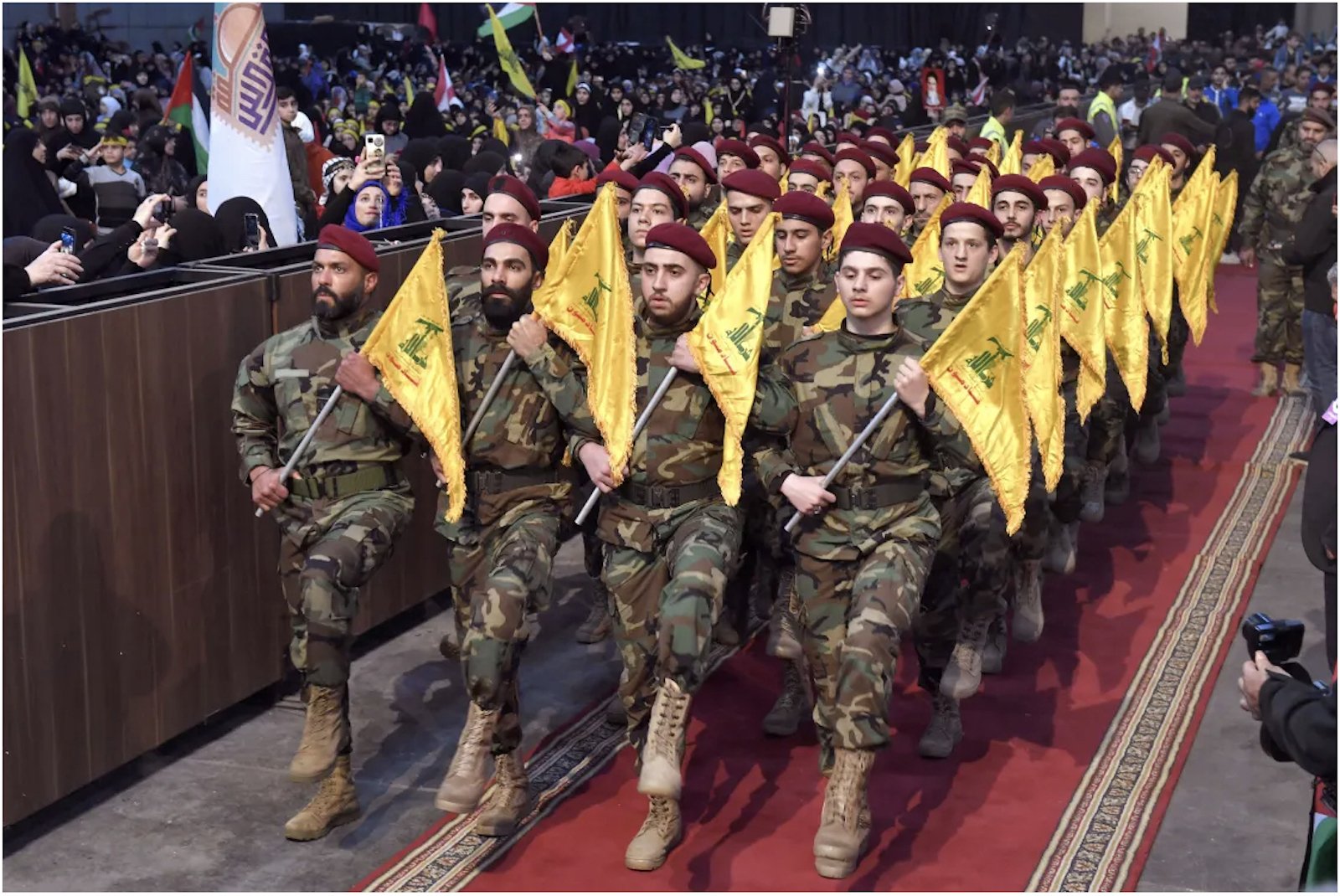
Hezbollah, while significantly weakened after more than two and a half years of war, continues to wield considerable power. After a ceasefire in November 2024 ended the previous round of fighting, a new Lebanese president was elected and a government formed in February 2025, ending a three-year political deadlock. Yet the Lebanese state has been unable to disarm Hezbollah as stipulated in the armistice agreement. Iran has invested heavily in propping up its proxy, even sending senior Revolutionary Guard officers to assume command after Israeli assassinations decimated Hezbollah's leadership.
A telling example of Hezbollah's resilience came on March 24, 2026, when Lebanon's Foreign Ministry declared the Iranian ambassador persona non grata. Iran and Hezbollah defied the order, and the ambassador refused to leave the embassy in Beirut. This suggests that hopes for revitalized state capacities after the formation of a government not controlled by Hezbollah may have been premature.
The Gaza Model in Lebanon
Israel has employed what some call a "Gaza model" in Lebanon, creating a new security zone in the south by occupying territory, razing villages used by Hezbollah, and clearing out most of the population. However, Israel has occupied south Lebanon before—in March 1978 during the Litani operation, and again from 1982 to 2000. Both occupations failed to provide lasting security and instead left traumatic scars on Israel's collective consciousness, creating the image of Lebanon as a quagmire.
The government of Netanyahu is now leading the country into another potential quagmire. The news about the Israel Defense Forces' occupation of the Beaufort castle in south Lebanon underscores the historical parallels. As a historian of Israel and Lebanon, I have studied cycles of violence since 1982 and noted recurring patterns where Hezbollah emerges emboldened, maintaining its dominance over Lebanese society as an Iranian proxy.
A wounded but not dead Hezbollah continues to challenge Israel militarily. The Lebanese prime minister banned Hezbollah's operations at the start of the war in March, and the president condemned the group for dragging Lebanon into a conflict most Lebanese reject. But, as in the past, the government has been unable to effectively rein in the group.
The broader implications for the Indo-Pacific region are significant. The US-Iran negotiations, which could shape the outcome in Lebanon, also affect energy markets and security dynamics from the Strait of Hormuz to East Asia. As Trump's Iran strategy risks deeper energy crisis, the stability of the entire region hangs in the balance. Meanwhile, Israeli Minister Says Cabinet Will Block Trump's Iran Peace Deal, highlighting the tensions between Washington and Jerusalem.
Ultimately, the resolution of this conflict rests on whether the US can broker a deal that addresses Iranian demands while preventing a wider war. Without a sustainable political solution, Israel's campaign in Lebanon risks repeating the failed lessons of the past, leaving both countries trapped in a cycle of violence with no end in sight.