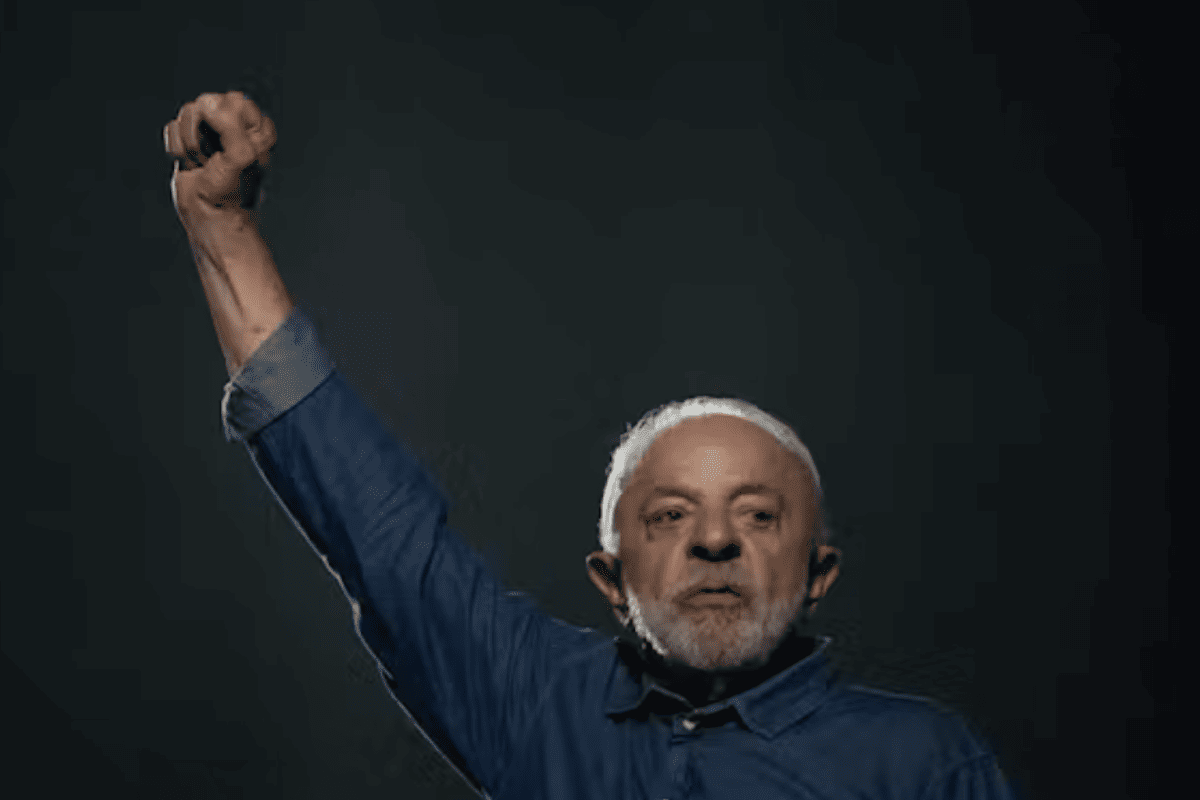
In a dramatic reversal, Brazil's incumbent president Luiz Inácio Lula da Silva has won a fourth term, defeating Flavio Bolsonaro in the October 25 runoff by more than 3.5 percentage points—a margin of over 4 million votes. The result upends a trend of right-wing governments that had swept through Latin America in recent years, and it carries significant implications for the region and beyond.
Lula's path to victory was anything but smooth. He had narrowly lost the first round on October 5, trailing Bolsonaro by more than 2 million votes. Many analysts had written him off, expecting the same social media dominance that had propelled Bolsonaro's father, Jair, to power in 2018 to carry the younger Bolsonaro to victory. Instead, Lula's campaign mounted a remarkable digital counteroffensive, flipping the state of Minas Gerais—Brazil's second-largest electorate—by nearly 700,000 votes and boosting turnout by millions.
A contest of worldviews
The runoff presented Brazilians with a stark choice. Lula campaigned on reducing income inequality, transitioning to clean energy, protecting the environment, and expanding access to higher education and technical training. On foreign policy, he balanced defending Brazilian sovereignty from a Trump administration keen on meddling in Latin America while maintaining strong ties with the European Union and China.
Bolsonaro, by contrast, promised sweeping cuts to government spending, more militarized policing, and eager alignment with Washington's anti-drug campaign. He also offered US investors access to Brazil's critical minerals. His campaign leaned heavily on the anti-incumbent sentiment fueled by high prices, stagnant wages, and a corruption scandal that ensnared both Bolsonaro and Supreme Court justice Alexandre de Moraes.
The right-wing populism that has been ascendant in the region—seen in Argentina's Javier Milei and elsewhere—failed to resonate with a majority of Brazilian voters. Survey research suggests that many Brazilians still view the state as the guarantor of constitutionally protected social rights, including healthcare, education, and pensions. Government employment is often seen as more stable and dignified than the precarious private-sector labor market.
The digital battlefield
A key factor in Lula's comeback was the mobilization of a young, tech-savvy network of pro-Lula communicators. After the first round, they created and shared effective, often humorous videos on WhatsApp and Instagram, appealing to centrist and even some right-leaning voters. The WhatsApp channel "Lula's Army," created by federal deputy André Janones, grew from 50,000 subscribers on October 5 to more than 10 million by election night. Janones, a member of the Rede Party and an ally of the Workers' Party, has become a rising star in Lula's circle. Similarly, 21-year-old digital influencer Ana Elisa Santos Silva won the most votes of any federal deputy in Minas Gerais.
This digital push countered the right-wing dominance of Brazil's online ecosystem, which had helped Jair Bolsonaro win in 2018 and nearly win reelection in 2022. The expansion of US-linked political networks into Brazil's election underscored the international stakes.
Lessons for the region and the United States
Lula's victory offers several key lessons. First, the "Americanization" of Brazilian politics—the idea that the country's divisions increasingly mirror those of the United States—has limits. While there is a politically active evangelical right and a rise in gig-economy employment, the majority of Brazilians still look to the state for social protection. The libertarian, anti-state message that resonates with some US voters has a smaller base in Brazil.
Second, the result shows that incumbents can overcome anti-incumbent moods if they effectively address economic anxieties and offer a positive vision. Lula's focus on clean energy and social investment contrasted sharply with Bolsonaro's austerity and militarization.
Third, the election underscores the importance of digital organizing. The left's success in harnessing WhatsApp and Instagram—platforms often dominated by right-wing narratives—could serve as a model for progressive movements across the region.
For the United States, the outcome is a reminder that Trump's influence abroad is not absolute. Despite his administration's support for Bolsonaro and the demands for annulment from Bolsonaro's camp, Brazilian voters chose a leader who has stood up to Washington. The result may also affect US calculations in Latin America, where deals like the Venezuela oil agreement have raised questions about the administration's motives.
Yet Lula's victory does not mean an end to polarization. Bolsonaro's Liberal Party performed strongly in legislative races, and the country remains deeply divided. The new president will need to govern with an eye toward unity, addressing the economic grievances that fueled right-wing populism while advancing his progressive agenda.
As Lula prepares to take office, the region watches closely. His success could inspire left-of-center parties elsewhere in Latin America, but it also carries risks. The challenges ahead—economic recovery, corruption, and social cohesion—are formidable. Whether Lula can turn his electoral triumph into lasting change will shape Brazil's future and its role in the Indo-Pacific and beyond.