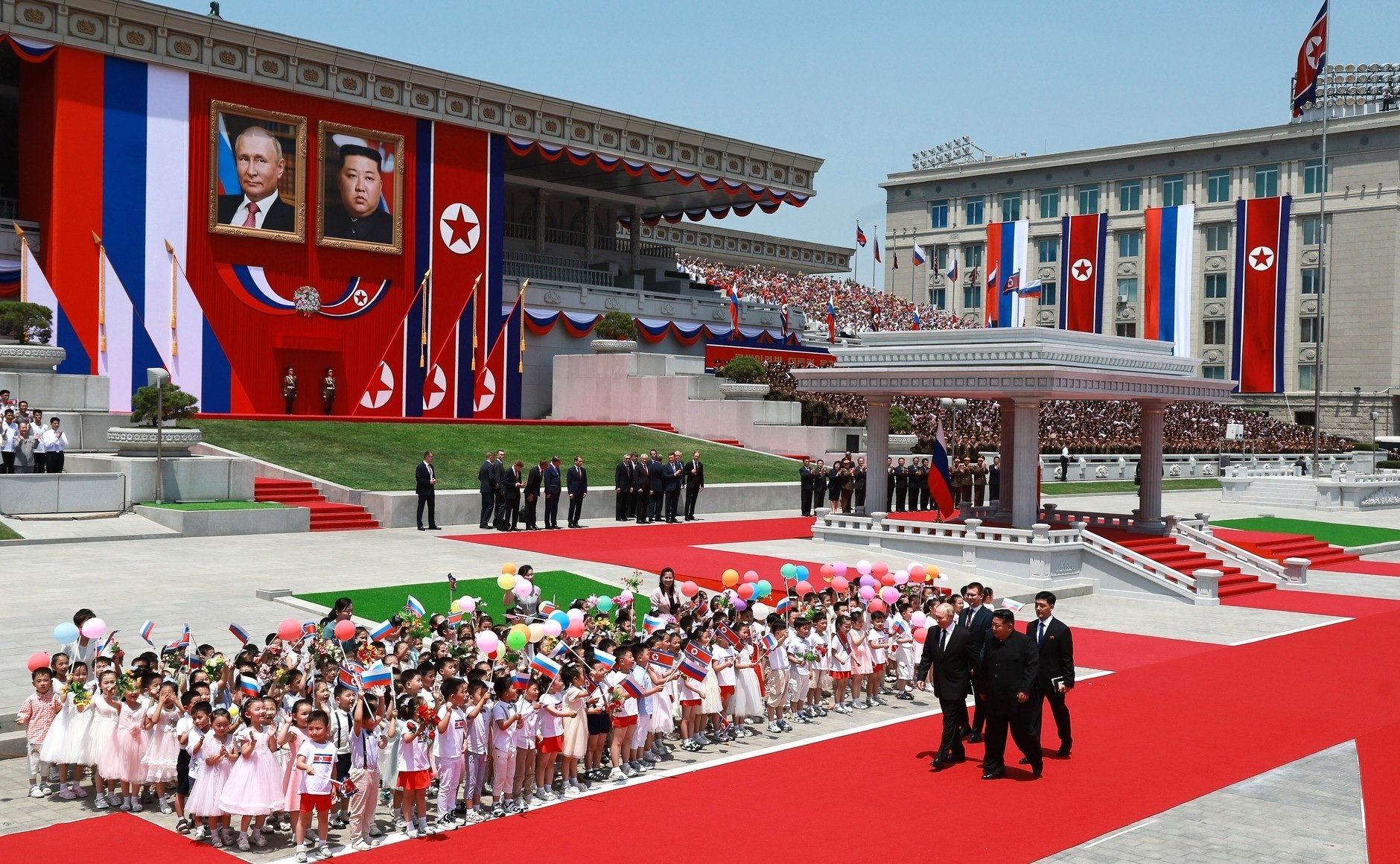
North Korean leader Kim Jong Un has doubled down on his military and strategic alliance with Vladimir Putin, betting that this axis will strengthen his position for now. However, Kim's calculus depends on the outcome of the war in Ukraine and its economic and political impact on Russia.
The flow of arms and soldiers from North Korea to Russia's war effort continues to escalate, alongside a growing supply of North Korean labor to fill gaps in Russia's war-strained economy. In return, Pyongyang is increasingly reliant on a largely unofficial transfer of Russian resources—food, energy, cash, and military technology—offered as compensation for its support.
New deployments and missile transfers
Ukrainian President Volodymyr Zelenskyy revealed in late July that Russia planned to bring in an additional 30,000 North Korean troops and deadly ballistic missile launchers. "Russia wants to receive another 30,000 troops from North Korea," Zelenskyy said. "Since June, preparations have been under way in Russia's Voronezh region to receive them." He did not disclose his source, and the claim has not been independently confirmed.
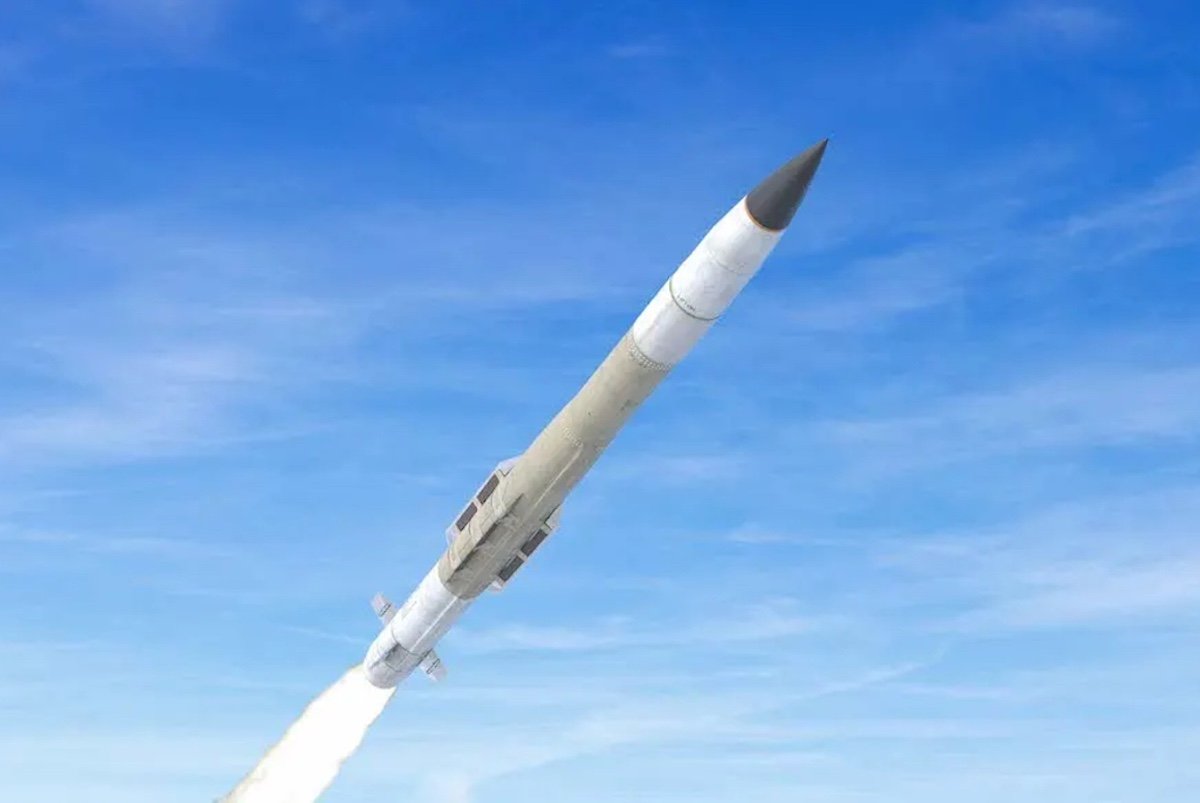
A North Korean missile unit has begun deploying to western Russia and could be equipped with up to 120 ballistic missiles and six launchers for attacks on Ukraine, according to an official at Ukraine's military intelligence agency on August 6. The unit comprises about ninety North Korean personnel and is expected to be based in Russia's Voronezh region. The United States is aware of the deployment, a source familiar with the issue told Reuters. Forty North Korean missiles have already been supplied, at least two of which were launched at Ukraine last week during a deadly strike, the Ukrainian official said.
"This is a threat not only to Ukraine," Zelenskyy said in a radio address. "Russia is helping North Korea learn how to wage war, improve its weapons and gain real combat experience in using them."
Changing nature of war and North Korea's role
There is skepticism about these reports, as they have not been confirmed by other intelligence agencies. They also reflect Ukraine's interest in pushing for more military support to counter missile strikes that are increasingly penetrating Ukrainian defenses, including calling on South Korea to lift restrictions on the sale of missile defense equipment directly to Ukraine.
"In my view, the Republic of Korea should have closer cooperation with Ukraine," Zelenskyy said in an interview with Ukrainian media posted to X on August 8. "We are open to this. We would very much like to receive support from South Korea in an area where we have a shortage. That is air defense systems."
Analysts point out that these possible new deployments are consistent with the changing nature of warfare in Ukraine. When North Korea's military assistance began more than two years ago, it first consisted of a huge flow of artillery shells and guns, providing crucial help when Russian stocks were depleted. That was followed by the deployment of 12,000 to 16,000 North Korean troops to help push back Ukraine's incursion into the Russian territory of Kursk, carefully avoiding conflict within Ukrainian territory itself.
Now drones have partially replaced heavy artillery, with static lines of engagement on the ground and heavy casualties, combined with long-range deep attacks using missiles. "Russia and Ukraine are currently engaged in two battles," explains Yoshiro Makino, a security expert for Japan's Asahi Shimbun. "Trench warfare on the front lines centered on the Donbas region, and long-range attacks targeting each other's deep territories."
North Korea has a role to play in both battles, says Makino, a long-time specialist on the Korean Peninsula. North Korean missiles are joining attacks on Ukrainian cities, and North Korea can send troops to the Donbas region—as it recognizes Donbas as Russian territory, despite its having been seized from Ukraine—although such a move would risk high casualties.
Political risks and economic gains
There are political risks for Kim if casualty levels reach tens of thousands. But he has already decided to embrace the several thousand deaths from the earlier deployment as a heroic mission. In April, the regime opened a lavish "Memorial Museum of Combat Feats for Overseas Military Operations," which includes war trophies such as US and German tanks and the graves of some 2,288 North Korean soldiers who fought in Kursk.
"Kim's regime does not care about human lives," says Fyodor Tertitskiy, a North Korea expert and author of Pyongyang on the Brink, now teaching at South Korea's Ewha Womans University. "It does, however, care about its own survival, and it has calculated that Putin's favor outweighs the risks," he told this writer.
One added element to North Korea-Russia ties is the rapidly growing dispatch of North Korean workers, in the tens of thousands, many of them filling serious labor shortages in factories and other roles across Russia. "Demand for North Korean labor remains high and is likely to stay high for the foreseeable future," widely respected expert Andrei Lankov, who teaches at South Korea's Kookmin University, told this writer. "North Korean workers are already widely employed in the civilian economy, where labor shortages are severe. They can also be used in areas close to the front line and employed in certain military industries."
Kim's strategic calculus
"The strategic calculus remains the same," says Tertitskiy. "Putin wants to conquer Ukraine and welcomes Kim's help, while Kim wants economic assistance and a counterbalance to China." Kim has so far managed to intensify his relationship with Moscow while also keeping close ties to North Korea's traditional ally, China. High-level visits from senior Chinese officials have continued, underscoring the delicate balancing act. As the war in Ukraine grinds on, Kim's bet on Russia may yield short-term gains, but the long-term consequences for the region remain uncertain. For more on how North Korea's missile exports are reshaping regional security, see this analysis. The evolving dynamics also intersect with broader concerns about escalatory stakes in the region.