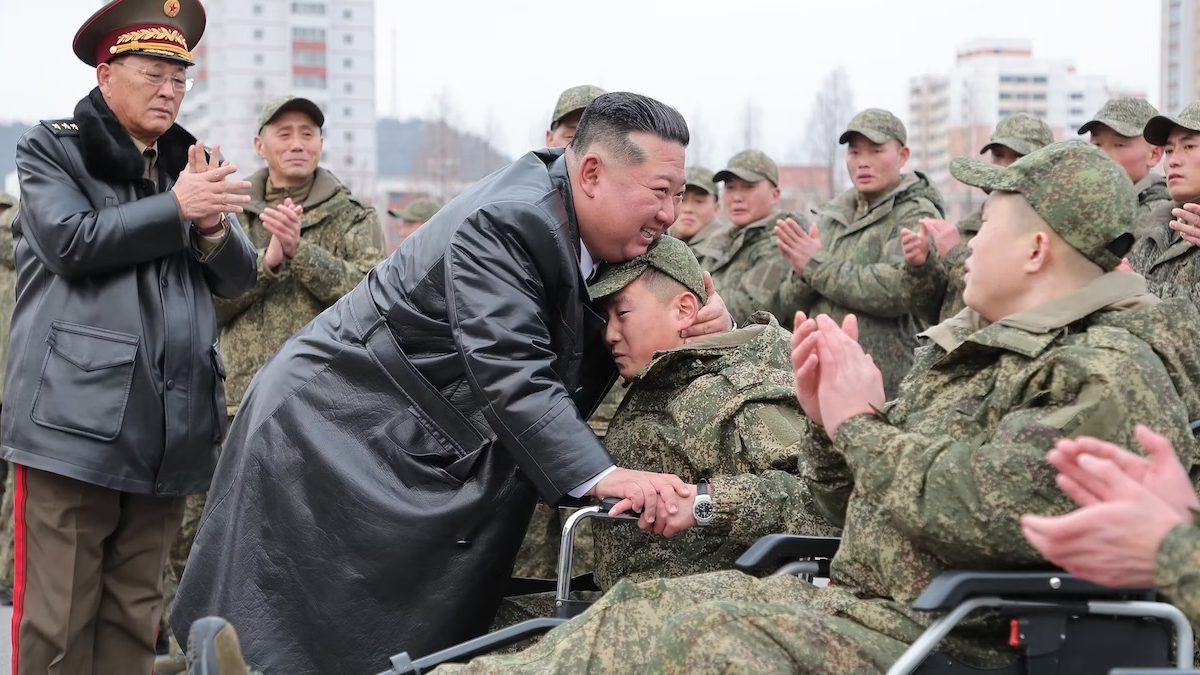
Ukraine's President Volodymyr Zelensky has stated that North Korea is preparing to dispatch as many as 50,000 additional troops to bolster Russia's military campaign in Ukraine. While South Korea's Ministry of Foreign Affairs has not been able to confirm this claim, it has not been dismissed in Seoul.
An unnamed foreign ministry spokesperson said on August 10: "North Korea-Russia military cooperation is a matter directly related to our security and an act that violates UN Security Council resolutions. The government's position is that such cooperation must be suspended immediately, and we are closely monitoring related developments."
Any new deployment would further entrench the partnership that began with a mutual defense pact signed in June 2024. Within months, up to 15,000 North Korean personnel—ranging from construction workers to logistics staff, missile operators, engineers, and infantry, including 1,500 special forces—had been sent to Russia.
A profitable alliance
North Korea has reaped significant benefits from its alliance with Moscow. Although its troops have not fought within Ukraine's internationally recognized borders, they have gained battlefield experience in ground operations in Russia's Kursk region, where Ukraine launched an incursion in 2024. North Korean missiles have also been fired at Ukraine, and Pyongyang has received new military technology from Russia.
Perhaps more importantly, the partnership has provided a financial windfall. After years of negative GDP growth, North Korea's economy expanded by 3.5% in 2025. Beyond direct payments for military support, the alliance supplies North Korea with fuel, food, and technical assistance, as well as deferring debt repayments.
This has created a cycle: North Korea supplies ammunition and manpower for Russia's war effort, Moscow provides resources and technology in return, and Pyongyang uses these to strengthen its position against the South. This dynamic is reshaping regional security, as noted in analyses of North Korea's missile exports.
Seoul's concerns
For South Korea, a key worry is what North Korean troops are learning in Russia. The Korean People's Army has not fought a major conventional conflict since the Korean War in the early 1950s, but it is now directly involved in a modern war. North Korean personnel have engaged in direct combat, drone surveillance, electronic warfare, and precision artillery strikes. Pyongyang can now assess its own weapon technology's effectiveness in real combat rather than in tests.
There have been calls from Kyiv and other allied capitals for Seoul to increase its involvement in the Ukraine conflict, but there is opposition both among South Korean citizens and within the political class to providing direct military support. President Lee Jae-Myung, in office since 2025, has focused his foreign policy on the Korean peninsula, most recently calling for talks with the North to pursue peaceful coexistence on August 15.
At the same time, South Korea is trying to bolster its readiness against emerging North Korean threats. The annual Ulchi Freedom Shield exercises with the US military now incorporate drones, cyberattacks, and GPS jamming, in addition to traditional field maneuvers and air operations.
But a central issue is South Korea's relationship with its historic security partner, the United States. Just as Seoul has declined to engage in Russia's war in Ukraine, it has been equally reluctant to join the US war in Iran. This may have consequences, as it has for other US allies in Europe.
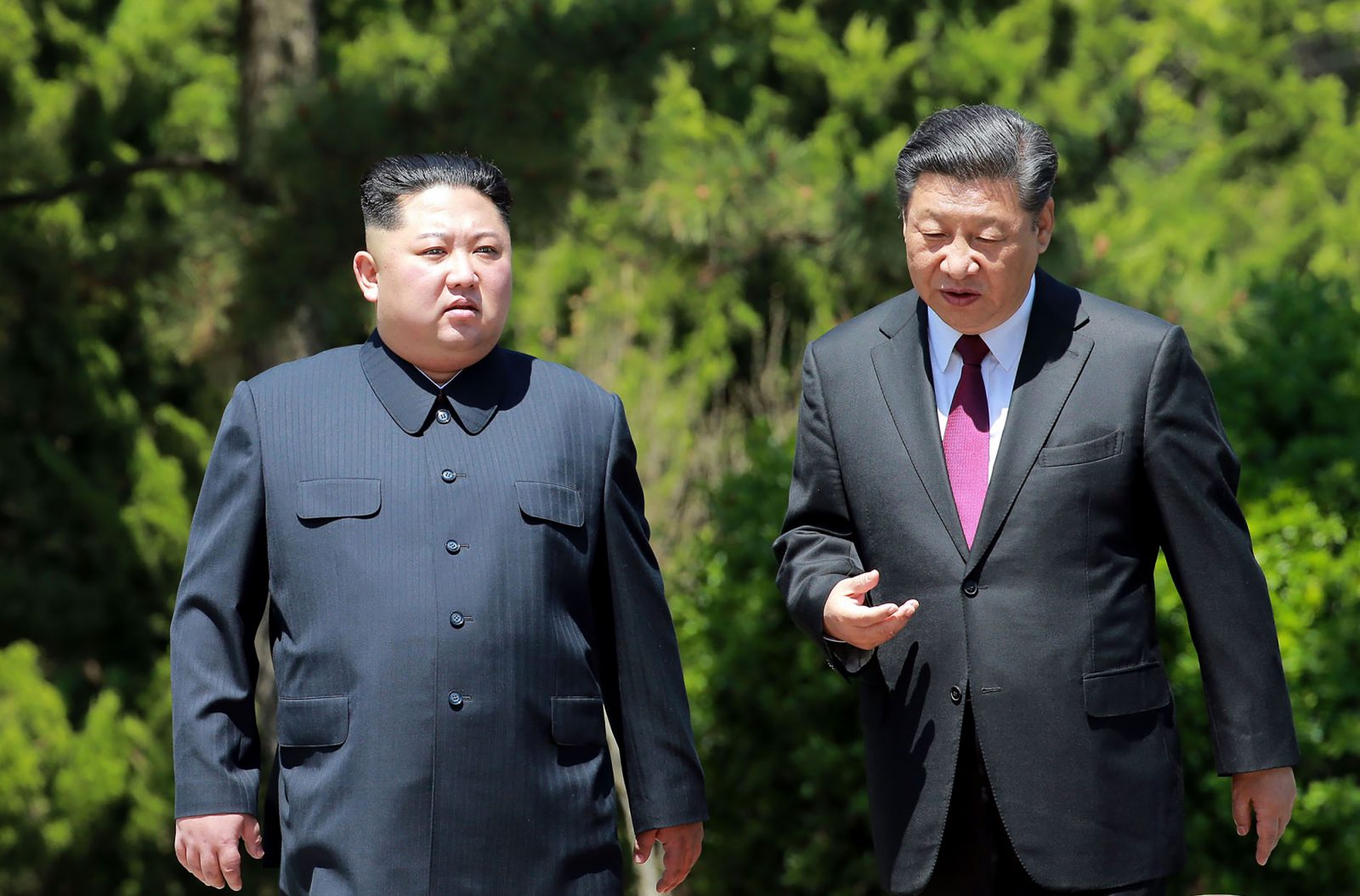
In a social media post on August 16, Donald Trump said the US would "substantially reduce" its joint military exercises with South Korea, citing Seoul's refusal to join the Iran war and his "very good" personal relationship with North Korean leader Kim Jong-un. Meanwhile, the US has used substantial quantities of ammunition in the Iran conflict, with reports from early August suggesting it had used "virtually all" of its precision strike missiles.
Earlier in 2026, as the US depleted its missile stockpile in Iran, Washington and Seoul discussed moving some US Patriot defense missile systems based in Korea to the Middle East. As North Korea strengthens, Seoul is learning that its security policy can no longer assume US weapons will be available in a conflict with the North.
Whether the 50,000 additional North Korean troops materialize remains to be seen, but the broader warning for Seoul is real: it must prepare for a stronger North in a world where even the largest military arsenals are not always enough to achieve policy goals. This comes as South Korea's economic resilience is tested by other challenges, and as political dynamics evolve in the country.