Spring in Ukraine traditionally signals the renewal of agriculture after a harsh winter. Since Russia's full-scale invasion in 2022, it has also marked the resumption of intense fighting. This year, however, the seasonal momentum belongs decisively to Kyiv, driven by a combination of domestic weapons innovation, Russian vulnerabilities, and a pivotal political shift in Europe.
The landslide defeat of Hungarian Prime Minister Viktor Orbán on April 12 removed the primary obstacle to a €90 billion European Union loan for Ukraine, approved in principle last December but blocked by Orbán and Slovak Prime Minister Robert Fico. The loan, though smaller than Ukraine had sought, is essential to sustain its war production. Orbán's pretext for the blockade—that Ukraine had failed to repair a Russian-damaged pipeline carrying oil to Hungary—failed to resonate with voters. His successor, Peter Magyar, who takes office in early May, allowed the loan to proceed, formalized at the European Council meeting in Cyprus on April 23. Oil flows have also resumed through the repaired pipeline.
Funding the War Machine
The economic logic of modern warfare is stark: weapons are pure consumption, designed to be destroyed. Drones, missiles, and robotic vehicles require vast financial resources to produce and deploy. Without the EU loan, Ukraine would have struggled to maintain its now-formidable output of drones, robotic vehicles, and missiles. Russia, meanwhile, has benefited from higher oil prices linked to U.S. President Donald Trump's campaign against Iran, which has bolstered its own war funding.
Ukraine's sustained air campaign against Russian oil infrastructure has become more effective. Reuters reported that Ukrainian drone attacks temporarily reduced Russia's oil-export capacity by 40% in March. The key change is not the fact of the attacks but their persistence: repeated waves targeting the same ports, pipelines, and refineries over several days, compounding damage and slowing repairs. A recent drone strike on the Tuapse refinery on Russia's Black Sea coast blanketed the city in smoke and pollution for days.
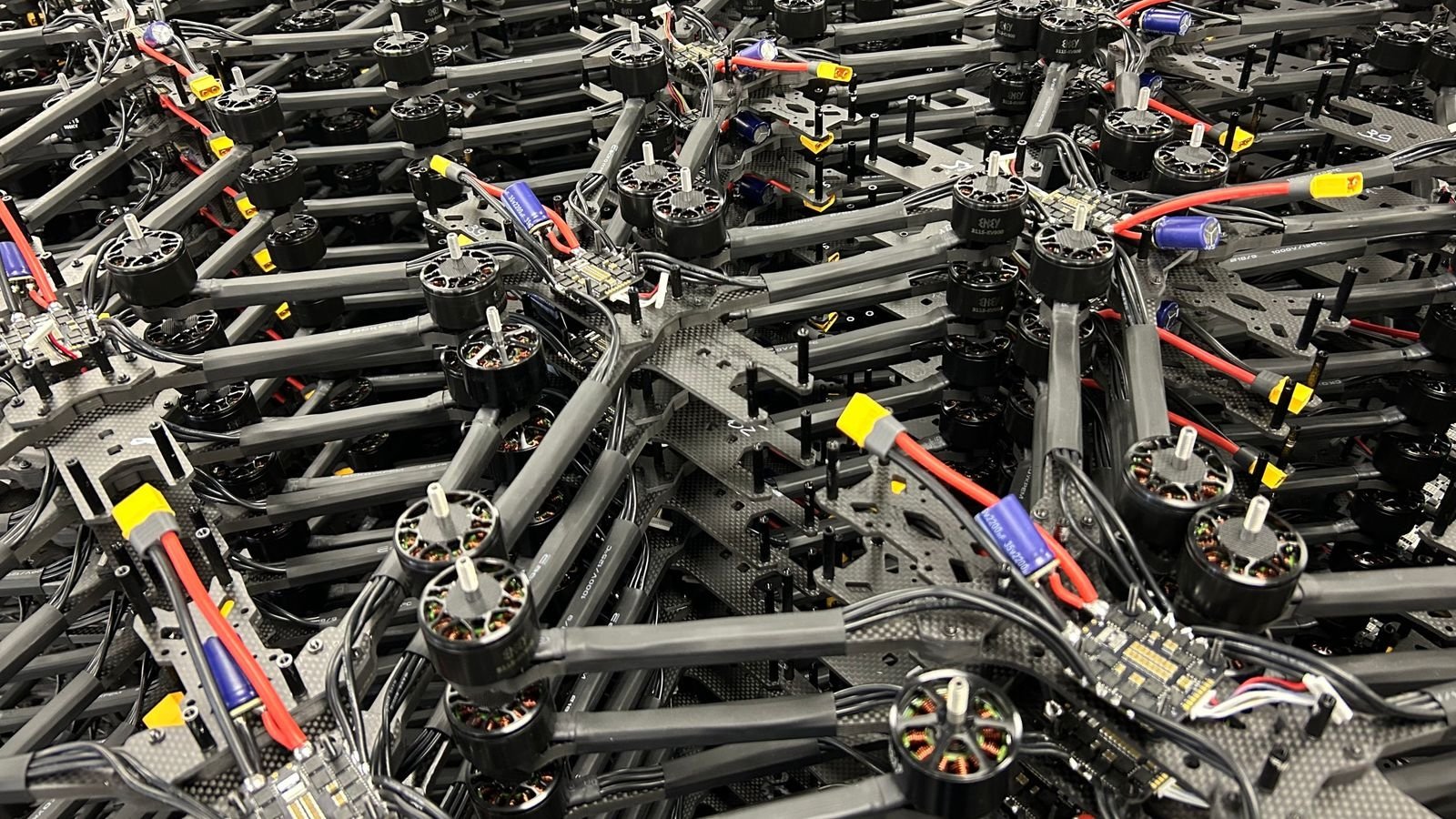
This capability stems from expanded drone production inside Ukraine and at partner factories in countries such as Denmark, as well as rapid technological innovation that allows drones to reach farther targets and evade Russian defenses more effectively. Ukraine is also deploying more armed robotic vehicles on the battlefield, reducing its own casualties while keeping Russian losses above recruitment rates. For a deeper look at this tactical shift, see our earlier report on Ukraine's ground robots capturing a Russian position.
The €90 billion loan covers only two years, and the European Council will soon need to address longer-term funding. The most obvious source—roughly €300 billion in frozen Russian central bank assets held mainly in Belgium—faces formidable legal and political hurdles. That is why the EU opted to borrow the money itself and lend it to Ukraine.
Political Ripples Beyond Hungary
Orbán's defeat removes one political obstacle but not all. Slovakia, Slovenia, and Bulgaria remain skeptical of Ukraine support, though less aggressively obstructive. The bigger question is France's presidential election in April next year, where Marine Le Pen's Rassemblement National leads in polls. Orbán's loss does not signal a rejection of right-wing populism or anti-immigrant policies; Magyar, his successor, is also right-wing and skeptical of Ukraine aid, though not a Putin supporter. His victory reflected discontent with Orbán's failure to raise living standards, authoritarian governance, and corruption.
If Le Pen wins, it could reshape European support for Ukraine. For now, the immediate effect of Orbán's fall is a clear strategic advantage for Kyiv. The EU loan, combined with Ukraine's technological edge, has shifted the spring initiative firmly in Ukraine's favor. As the war enters its fourth year, the ability to sustain production and innovation will determine the next phase of the conflict.