The memorandum of understanding between the United States and Iran, announced on June 15, marks a significant diplomatic breakthrough in the Middle East. President Donald Trump declared the deal complete, announcing the reopening of the Strait of Hormuz and the removal of the US naval blockade. Iranian officials confirmed a framework agreement, with formal negotiations on unresolved issues to continue over the next 60 days.
Pakistani Prime Minister Shehbaz Sharif, whose government acted as an intermediary, announced that military operations would cease and that the agreement would be formally signed in Geneva on June 19. His statement followed weeks of visible Pakistani engagement with regional stakeholders, including direct consultations with Iran, Gulf states, and the US. While Qatar and other actors were deeply involved, Islamabad emerged as a key channel for de-escalation.
Pakistan's Diplomatic Advantage
Pakistan's role was neither accidental nor inevitable. Oman has traditionally served as a discreet channel between Washington and Tehran, and Qatar has established itself as one of the region's most active mediators. However, the conflict following US and Israeli strikes on Iran escalated into a broader crisis involving military operations, maritime security, energy markets, and regional stability that directly targeted Gulf states, including Qatar.
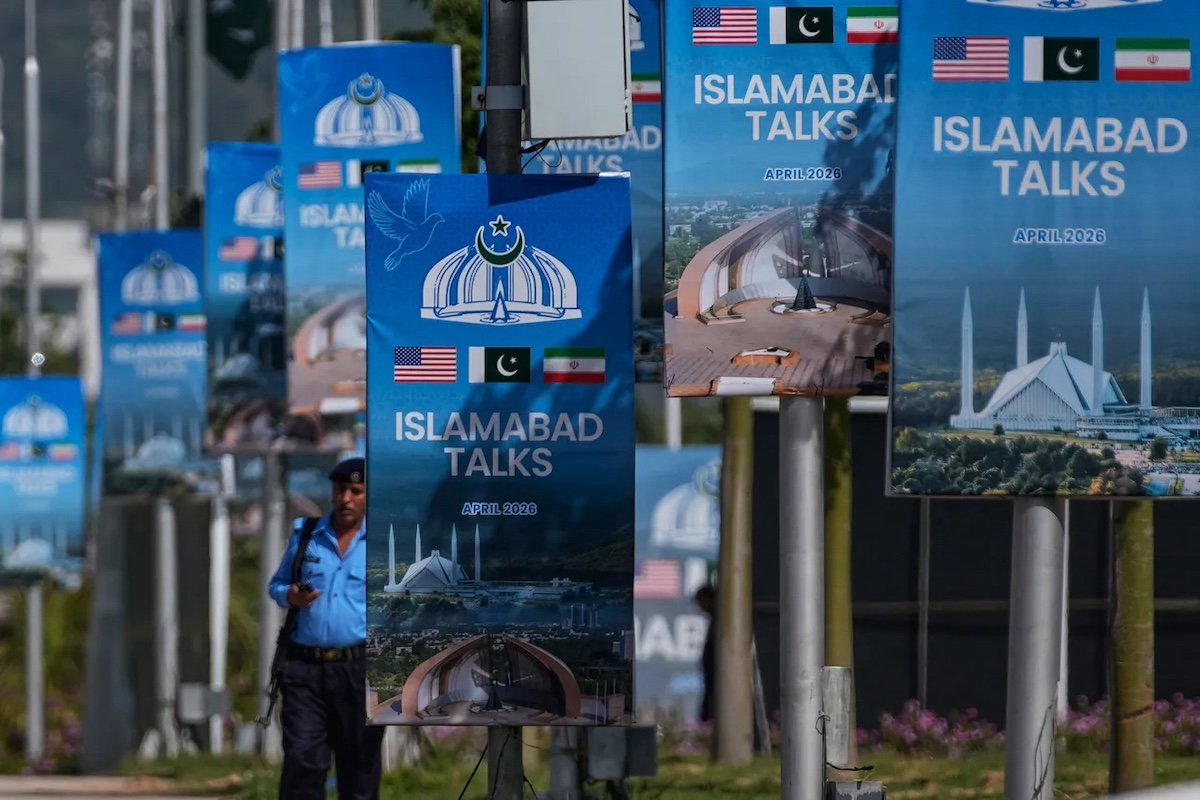
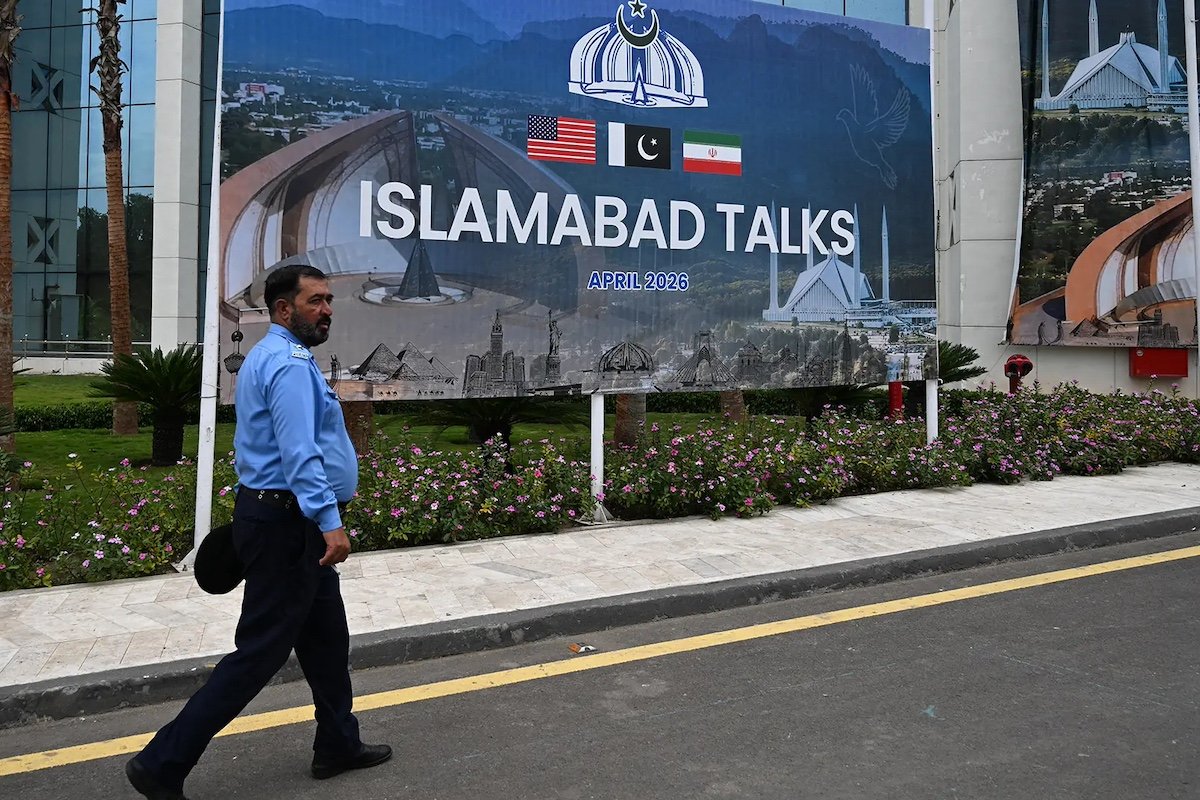
Pakistan's involvement became increasingly visible as the crisis unfolded. Sharif announced the framework agreement publicly before Trump confirmed it, and earlier rounds of contacts were reportedly facilitated through Pakistan, including discussions held in Islamabad involving senior American and Iranian representatives. During the final phase of diplomacy, Field Marshal Asim Munir traveled to Tehran and held discussions with Iranian officials as efforts intensified to prevent further escalation.
Pakistani officials also remained engaged with regional partners, including Qatar, Saudi Arabia, and Turkey, while reports from Pakistani and international media outlets indicated ongoing communication with American counterparts. The diplomatic process was never the work of a single intermediary, but Islamabad increasingly became a key channel for dialogue and de-escalation.
Pakistan's diplomatic advantage lay less in neutrality than in access. Islamabad maintained working relationships with Washington, Tehran, and key regional capitals at a moment when direct communication between the principal parties had become fraught. Pakistan's proximity, security ties, and diplomatic reach made it an effective intermediary once the search for de-escalation became urgent.
Civilian-Military Coordination
Pakistan's mediation also revealed an important feature of its foreign policy structure: the interaction between civilian diplomacy and military engagement. Sharif provided the political leadership and the public-diplomatic framework, while Munir engaged with regional leaders and security institutions involved in managing the crisis. In conflicts involving military operations, deterrence calculations, and escalation risks, communication between security establishments can matter as much as traditional diplomatic exchanges. Munir's regional contacts gave Pakistan access to decision-making circles central to discussions about de-escalation.
No single actor produced the agreement—the framework emerged through the efforts of numerous parties, including Qatar and other regional partners. But Pakistan's mediation benefited from an unusual degree of coordination between political leadership and security diplomacy, which helped reassure stakeholders that messages relayed through Pakistan would be understood both diplomatically and in terms of their security implications. The result was not a peace treaty but a framework designed to halt escalation and create space for negotiations. Still, bringing the parties to this point represents a diplomatic achievement in its own right.
Middle Power Mediation
The agreement's significance extends beyond the immediate ceasefire and reopening of the Strait of Hormuz. For years, Pakistan's international profile has often been defined by security challenges, economic difficulties, and regional competition. The US-Iran agreement offers a different narrative: Pakistan as a facilitator of diplomacy during a major international crisis.
It also fits a broader pattern. As competition among major powers intensifies, middle powers are finding more openings to shape outcomes through mediation and diplomatic facilitation. Qatar played a central role in negotiations involving the US and the Taliban. Oman repeatedly provided discreet channels for communication between Washington and Tehran during earlier periods of tension. Turkey helped broker the Black Sea Grain Initiative during the Russia-Ukraine conflict. What unites these cases is diplomatic access, not military power—states with relationships across competing camps increasingly find opportunities to influence outcomes that larger powers struggle to manage directly. Pakistan's role in the US-Iran talks fits this pattern.
Unlike mediation efforts in which a state mainly provides a venue for negotiations, Pakistan combined political outreach, security-level engagement, and the hosting of diplomatic contacts in Islamabad—a broader role that explains why it became increasingly relevant as the crisis moved from confrontation toward negotiation. Pakistan's growing engagement with Gulf states, continuing ties with Tehran, and expanding diplomatic outreach beyond South Asia have increased its flexibility in handling regional crises. The US-Iran negotiations show how such access can translate into influence when credible intermediaries are needed. Stability in the Strait of Hormuz also carries direct economic significance for Pakistan, which relies on energy imports through the waterway.
For more on Pakistan's evolving role in the region, see Pakistan's Mediation Gamble: Can Islamabad Bridge the US-Iran Divide? and Pakistan's Saudi Deployment Signals Gulf Security Shift.