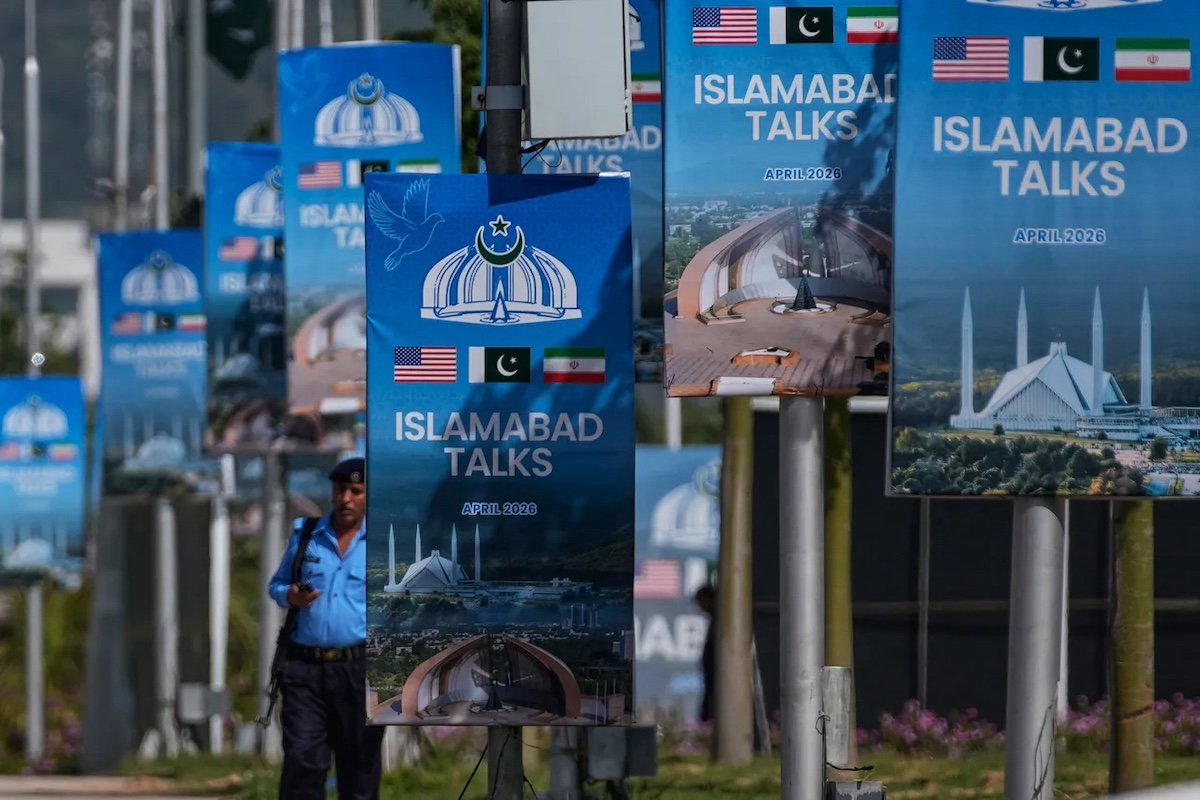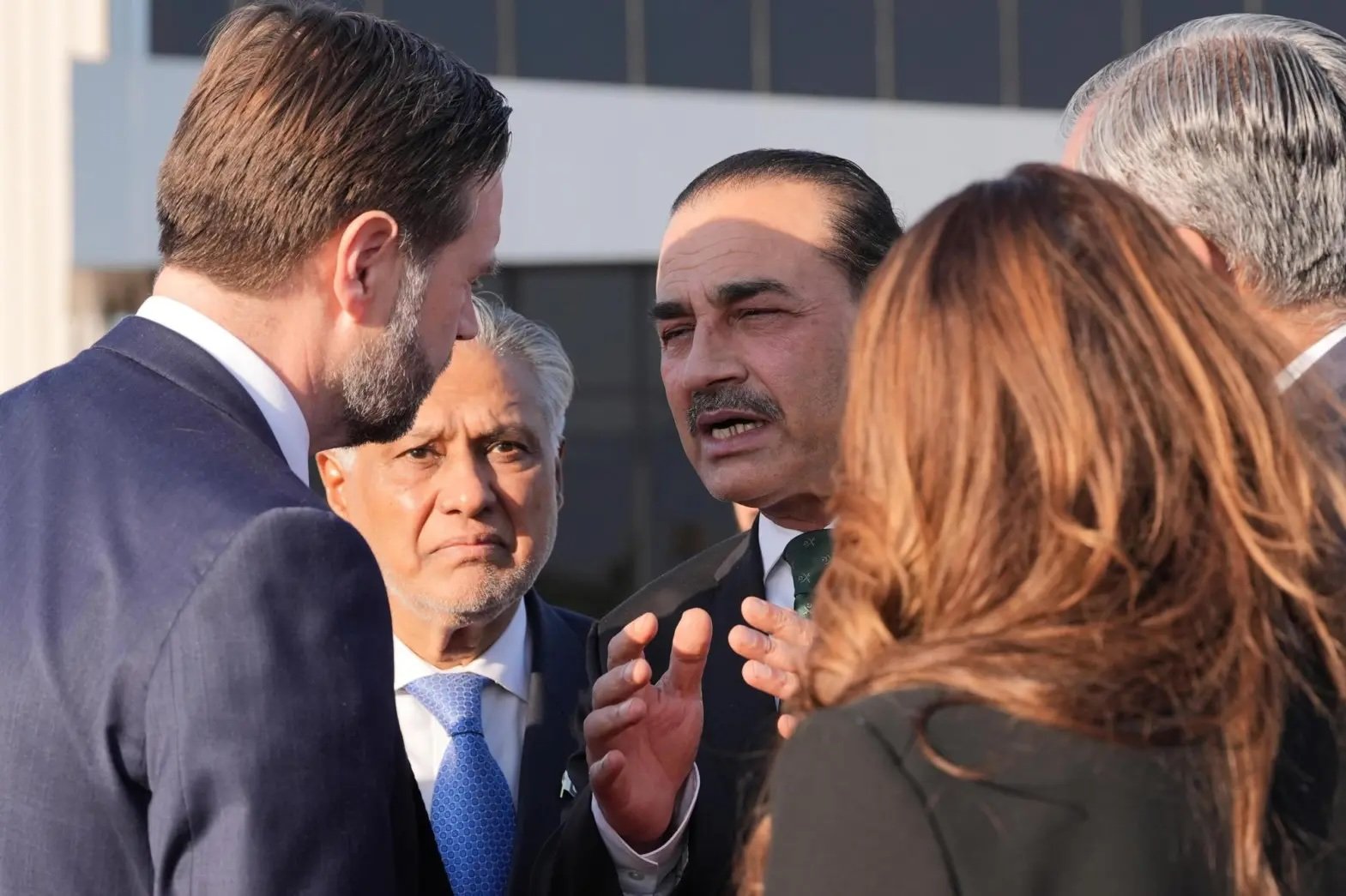
In the gilded conference rooms of Islamabad, Field Marshal Asim Munir has recently hosted American envoys and Iranian diplomats, reviving echoes of past diplomatic theaters like Oslo or Camp David. The script is familiar: a junior power, suddenly indispensable, shuttling between adversaries who cannot yet speak directly. But the proposition that Pakistan can deliver what five decades of American statecraft could not deserves scrutiny.
Pakistan brings tangible assets to the table. It shares a 900-kilometer border with Iran and maintains warm-enough ties with Tehran, whose forbearance keeps Balochistan manageable. It also enjoys close relations with Riyadh, whose financial support keeps Pakistan's economy afloat. Crucially, under Donald Trump's second presidency, Munir has cultivated a personal rapport with the American president, who reportedly calls him his “favorite fighter.” In a White House where personality trumps process, that matters.
The April 8 ceasefire, which paused the joint US-Israeli campaign after strikes killed Ayatollah Khamenei, did not negotiate itself. Pakistani officials carried a fifteen-point American proposal to Tehran in March, hosted the Islamabad Talks in April, and are now shuttling Iranian counter-proposals back to Washington. This is more than the European Union, the United Nations, or Gulf states have managed. As noted in Pakistan's Diplomatic Pivot: How Islamabad Became an Indispensable Middle Power, Islamabad has positioned itself as a key intermediary.
The Structural Limits of Mediation
But we must distinguish between the mediator who facilitates and the mediator who delivers. Oslo succeeded because Yitzhak Rabin and Yasser Arafat concluded that the status quo was more costly than compromise. Camp David worked because Anwar Sadat and Menachem Begin saw mutual benefit. The structural conditions for Pakistan's mediation are far less favorable.
The American proposal—an end to Iran's nuclear program, limits on its missile arsenal, reopening of the Strait of Hormuz, restrictions on regional proxies, and conditional sanctions relief—is essentially a demand for Iran's strategic surrender. The Islamic Republic, even bloodied and leaderless, has seen this package before, with cosmetic adjustments. That Pakistan is the courier does not change what is in the envelope.
Meanwhile, Iran has used the ceasefire to rebuild. According to American military assessments, Tehran has restored access to thirty of its thirty-three missile sites along the Strait of Hormuz and rebuilt its missile stockpile to roughly seventy percent of pre-war levels. Hardliners dominate after Khamenei's killing, and they are preparing for the next round, not capitulation. Pakistan cannot mediate that away.
Islamabad also faces its own constraints. Pakistan is fighting a war on its Afghan frontier, managing an energy crisis worsened by the Hormuz disruption, and contending with a public that does not want its government to do Washington's bidding against a Muslim neighbor. Munir's room for maneuver is narrower than many analysts suggest. The Pakistan's Saudi Deployment Signals Gulf Security Shift highlights how Islamabad's Gulf ties complicate its balancing act.
The honest assessment is that Pakistan is performing the role of indispensable postman with skill and discretion. It deserves credit for keeping channels open when the alternative is American B-2s returning to Iranian skies. But the structural distance between Washington's maximalist demands and Tehran's defiant red lines is not a distance any mediator can talk away. Munir is not Henry Kissinger, and even Kissinger needed Mao and Zhou Enlai to want the opening.
If the Iran War ends in 2026, it will end because Trump, facing midterm elections and public fury over gasoline prices, decides he wants a deal he can sell as a win—and because Tehran's new leadership concludes that survival is worth more than enrichment percentages. Pakistan will be the venue, perhaps the photographer, but not the architect of peace.