The Pentagon has reclassified its press office as a sensitive compartmented information facility (SCIF), effectively barring journalists from the workspace where they have long met with public affairs officers. The move, announced late Monday, is the latest in a series of restrictions on press access to the US Department of Defense under the Trump administration.
Reporters covering the military are currently largely banned from the Pentagon building while litigation continues over a policy requiring them to have an escort. The new designation means that even if they regain entry, they will be unable to use the press office to speak informally with officials whose job is to inform the public.
“For multiple administrations, Pentagon reporters have used the press office to meet with public affairs officers and have open conversations about what America’s armed services are doing in order to keep the public informed,” said Ben Grazda, an advocacy manager for Reporters Without Borders North America. He called Defense Secretary Pete Hegseth “petulant” and noted his earlier demand that journalists sign “loyalty pledges.” Grazda added that “journalists will continue their tenacious reporting and hold the Pentagon accountable for the money, operations, and lives they impact every day.”
Escalating Restrictions on Press Access
The decision follows a pattern of tightening controls on Pentagon coverage. Eight months ago, hundreds of journalists walked out of the Pentagon in protest of a policy barring them from seeking information not pre-approved by the administration. That policy was struck down by a federal court earlier this year, but the government has appealed the ruling.
The Washington Post reported that Pentagon speechwriters will be moved into the press office, which will be equipped with the secret internet protocol router network (SIPRNet) used to transmit classified information. Acting Defense Department press secretary Jose Valdez said on social media that the redesignation was necessary because speechwriters from the Office of the Secretary of War share the facility. He referred to Hegseth by his preferred title and claimed, “This is the most transparent war department in history. No amount of spin from the Fake News media will change that.”
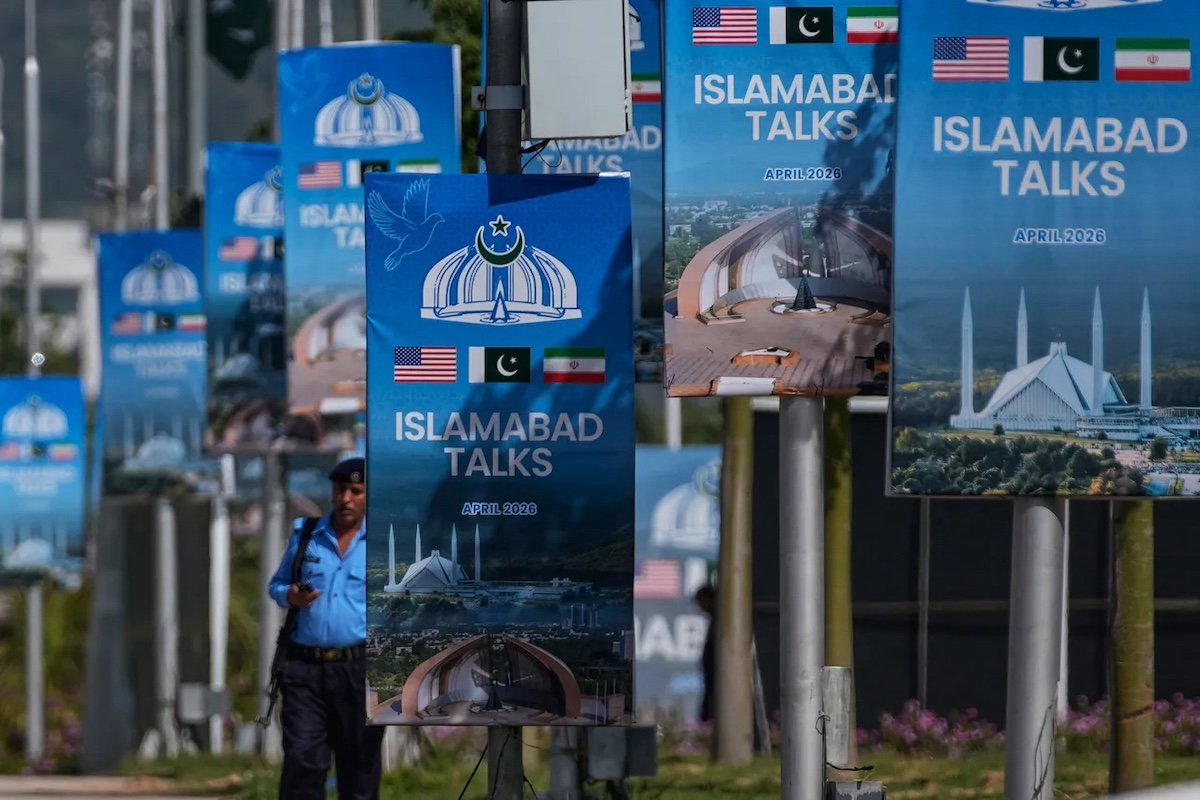
Critics described the move as “Orwellian.” The policy comes as the US mediates talks to end the war it and Israel launched against Iran in February, a conflict that has drawn in regional powers and raised concerns across Asia about energy security and supply chains. The Trump administration’s approach to Iran has complicated diplomatic efforts, as noted in our coverage of Trump's Leaked Fury at Netanyahu: A Signal to Tehran and a Shift in US-Israel Ties.
Separately, the New York Times reported that Hegseth blocked the promotions of nine Navy officers selected by senior admirals, potentially violating rules meant to keep the promotion system apolitical and merit-based. “Banning journalists from the press office in the Pentagon, where they worked professionally in previous administrations, is simply a sign that current DOD leadership fears accountability,” said Times reporter Trip Gabriel.
The National Press Club called the policy “a remarkable and troubling escalation in the Defense Department’s ongoing effort to restrict independent reporting.” Mark Schoeff Jr., a reporter at CQ Roll Call and president of the organization, said, “This move does not occur in isolation. It follows a troubling pattern of escalating restrictions on Pentagon coverage, including efforts to limit journalists to pre-approved information, revoke credentials for routine reporting practices, and physically remove reporters from long-standing workspaces and access without an escort.”
“Calling a press workspace ‘classified’ does not make the government more transparent,” Schoeff added. “It creates yet another obstacle between journalists and the information Americans have a right to know, especially at a moment when the public needs clear, unfiltered information about the US military.”
The restrictions have implications beyond the United States. The Pentagon’s actions affect coverage of US military operations in the Indo-Pacific, where Washington maintains alliances with Japan, South Korea, the Philippines, and Australia. Independent reporting on these deployments is critical for regional transparency, particularly as the US navigates tensions with China and the ongoing Iran conflict. For context on how the Trump administration’s policies are reshaping alliances, see our analysis of Quad's Structural Resilience: Why Trump's Second Term Won't Kill the Alliance.
“Independent reporting on the US military is not optional,” Schoeff concluded. “When journalists are pushed farther from the institutions they cover, the American people are left with less information, less transparency, and less oversight. Any effort to restrict that access should alarm everyone who values a free and informed society.”