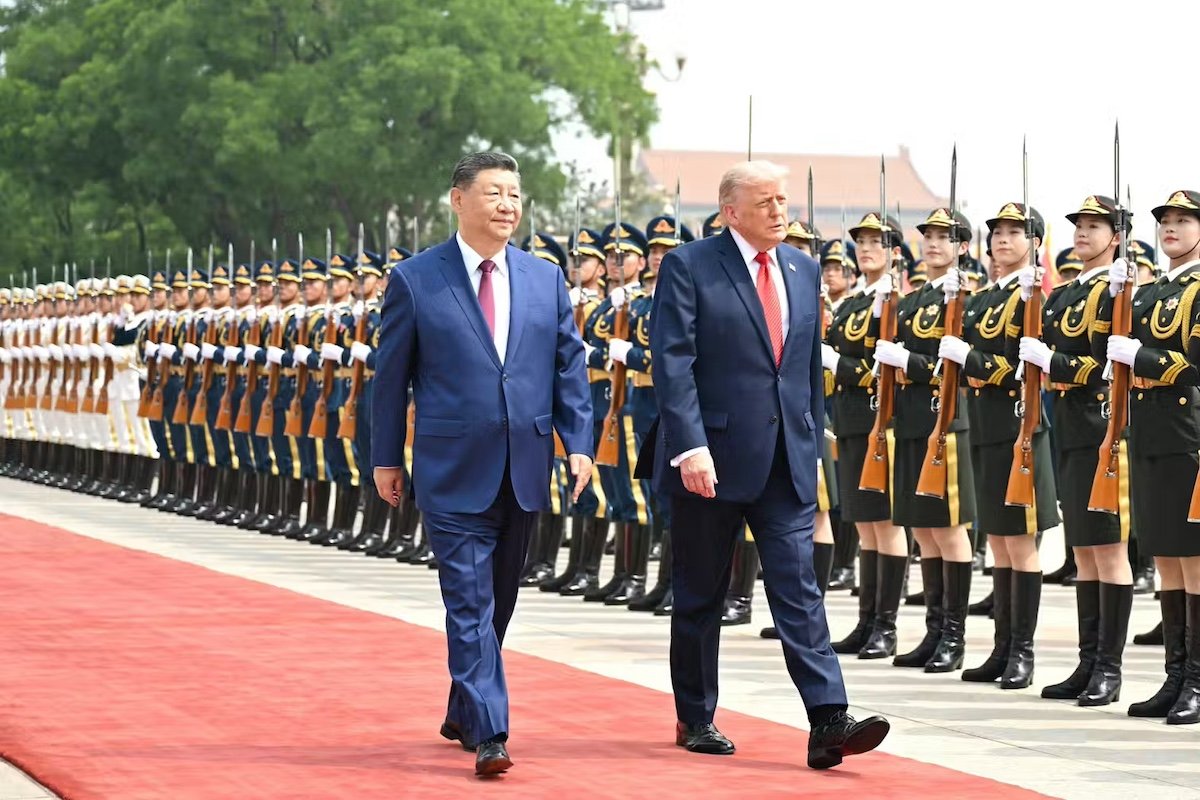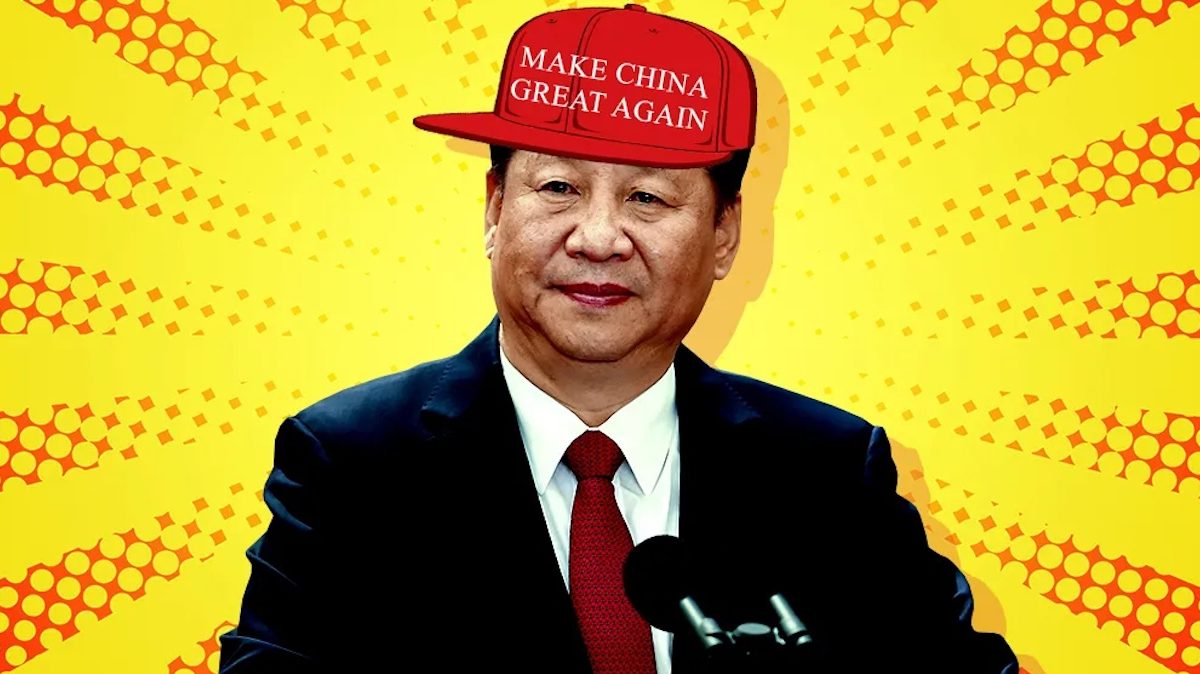
The recent summit between President Donald Trump and President Xi Jinping in Beijing underscored a fundamental shift in great-power competition: commodities have moved from the trading floor to the center of geopolitical strategy. Far beyond a conventional trade negotiation, the meeting showcased how resource dominance is reshaping the rivalry between the United States and China.
According to White House statements, China committed to purchasing at least US$17 billion annually in US agricultural products through 2028, building on earlier soybean agreements from 2025. Beijing also agreed to restore market access for American beef and poultry. Separately, US officials indicated that China would increase purchases of American oil in response to instability around the Strait of Hormuz, while addressing US concerns over rare earth and critical mineral shortages.
From Commerce to Coercion
The Trump administration now treats commodities not merely as economic goods but as instruments of leverage and strategic coercion. Agricultural exports, oil flows, rare earth minerals, shipping corridors, and critical resource supply chains have become central to statecraft. The emerging doctrine views resource dependency as a vulnerability and resource dominance as a geopolitical advantage.
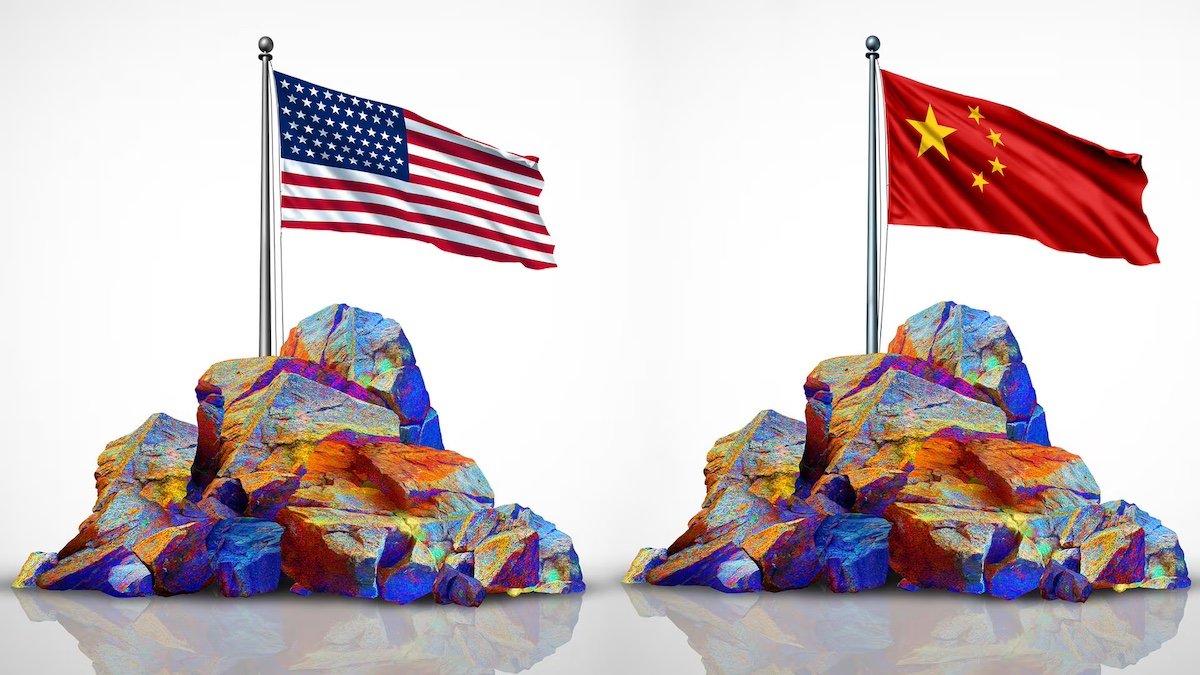
This framework is particularly evident in Washington's approach to China. Beijing's control over global refining and processing of rare earths, graphite, cobalt, and battery materials—essential for semiconductors, electric vehicles, advanced weapons, renewable energy, and artificial intelligence—has alarmed American strategists. The US sees this dominance as a strategic threat that could undermine its military and industrial capacity in a crisis.
As a result, Washington has moved aggressively toward critical mineral securitization. Recent executive actions invoke emergency powers to accelerate domestic mining, expand refining capacity, support deep-sea extraction, and create strategic stockpiles. The goal is not just self-sufficiency but strategic insulation from Chinese coercive power. This resembles a Cold War-style industrial mobilization, aiming to reconstruct entire supply ecosystems from mine to magnet to military application.
The geopolitical importance of rare earths today parallels oil's role in the 20th century. Rare earth magnets are embedded in fighter aircraft, missile guidance systems, drones, radar, and advanced computing. Semiconductor manufacturing depends on multiple critical minerals vulnerable to disruption. In Washington's strategic imagination, Chinese export restrictions now resemble a potential energy embargo capable of crippling American industrial power.
The administration's embrace of deep-sea mining reflects this mindset. Offshore polymetallic nodules rich in nickel, cobalt, manganese, and rare earths are increasingly viewed as strategic assets. White House language on seabed extraction explicitly frames these minerals as tools to reduce dependence on Chinese-controlled supply chains. The resource frontier is expanding from land-based mining to the ocean floor itself.
Meanwhile, hydrocarbons remain central to US strategy. Unlike European governments that prioritize climate transition, the Trump administration treats oil and natural gas dominance as enduring advantages. Cheap domestic energy supports industrial competitiveness and gives Washington leverage over energy-dependent rivals. Here, China's vulnerabilities are significant: Beijing remains heavily reliant on imported hydrocarbons, especially from the Middle East, much of which passes through the Strait of Hormuz.
This explains Iran's centrality in the administration's commodity strategy. Iran sits astride global energy routes essential to Asian economies. The 2026 Strait of Hormuz crisis has reinforced this reality, with Iranian disruptions sending shockwaves through oil markets and exposing the fragility of Asian energy security, particularly for China and India. The Trump-Xi summit's oil discussions became a focal point for addressing these vulnerabilities.
The administration's approach represents a profound shift from post-Cold War assumptions about globalization. Economic interdependence, once seen as stabilizing, is now viewed as a liability when rivals control strategic chokepoints. Washington favors tariffs, industrial subsidies, domestic extraction mandates, friend-shoring, and strategic decoupling in sectors tied to national security. For Asian nations like Japan, South Korea, and India, this new resource-centric rivalry carries direct implications for their own supply chains and energy security. As Japan moves to reduce dependence on Chinese rare earth processing, the broader Indo-Pacific region must navigate a landscape where resource dominance increasingly trumps traditional rivalry.