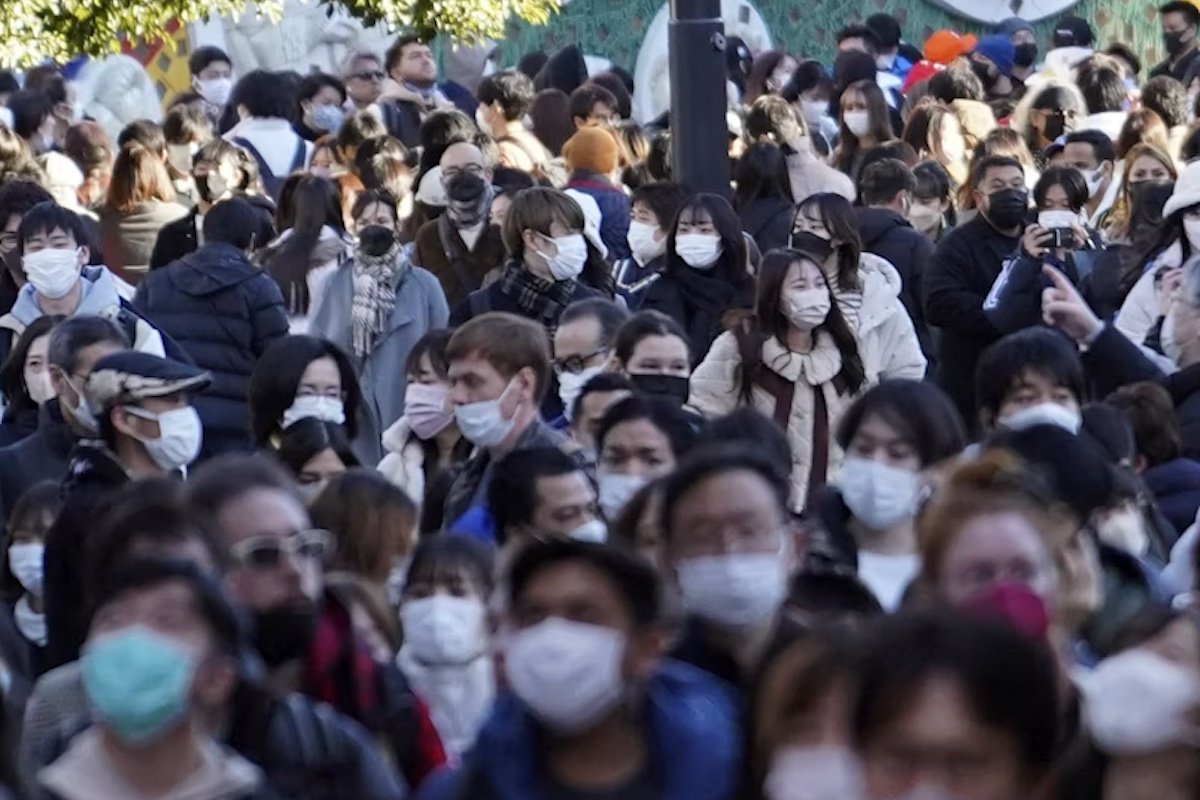
Japan is experiencing record numbers of foreign workers and tourists, driven by a shrinking population and aging workforce. Yet, despite the economic necessity, a new survey reveals that anti-foreigner sentiment is strong and rising among Japanese citizens, with significant implications for the country's political landscape.
A nationally representative survey of 1,500 Japanese adults, conducted after the February 2026 lower house election, found that nearly two-thirds of respondents support both stricter regulations on foreign land purchases and the expectation that foreigners adhere to Japanese rules and customs. These views are consistent across gender, education, and income groups, with the notable exception of age: younger Japanese are measurably more tolerant of foreigners.
Political Shifts and Party Dynamics
The 2025 upper house election marked a turning point, as the nationalist party Sanseito won 14 seats on a platform of immigration restriction, signaling that explicitly anti-immigrant positions could attract meaningful support. This pressure pushed mainstream parties, including the Liberal Democratic Party (LDP) under Prime Minister Sanae Takaichi, to tighten their stance on immigration policies, raising requirements for permanent residency and naturalization, and tightening regulations on foreign land purchases.
The survey data shows that party support structures anti-foreigner attitudes to some degree. Sanseito voters hold the most restrictive views, while centrist Reform Alliance voters are the least restrictive. However, party supporters differ only in the intensity of restrictive attitudes, not in whether they endorse them. LDP voters score highest on measures of traditional and authoritarian values, consistent with the party's conservative role in postwar Japanese politics.
These findings are particularly relevant as Japan navigates its demographic challenges. The economic case for accepting more foreign workers is clear, yet it sits uneasily alongside deep-rooted ideas of cultural cohesion and ethnic homogeneity. The survey also reveals that both traditional values—deference to authority and social norms—and authoritarian values—acceptance of force and coercion—correlate significantly with anti-foreigner attitudes. Respondents who are more skeptical of authority and less committed to social norms tend to hold more tolerant views.
Interestingly, while traditional values show little variation by age, authoritarian values are actually higher among younger Japanese. This resonates with a survey of junior high school students in the Tokyo metropolitan area, where the proportion agreeing that "people who break the rules should be punished strictly" rose from 59% in 2018 to 79% in 2025.
The survey underscores a tension that Japanese policymakers and the public have struggled to resolve. Future research could sharpen the picture by distinguishing among views of foreign tourists, short-term workers, and long-term residents. How the Japanese public views its growing foreign population will continue to matter in future elections, and the government's response will offer an important test case for neighboring East Asian societies grappling with similar tensions.
For more on Japan's political and economic challenges, see our coverage of Japan's Takaichi Secures ¥3.11 Trillion Supplemental Budget Amid Political Pressure and Shangri-La Shockwave: End of Automatic Assurance Reshapes Japan's Security.