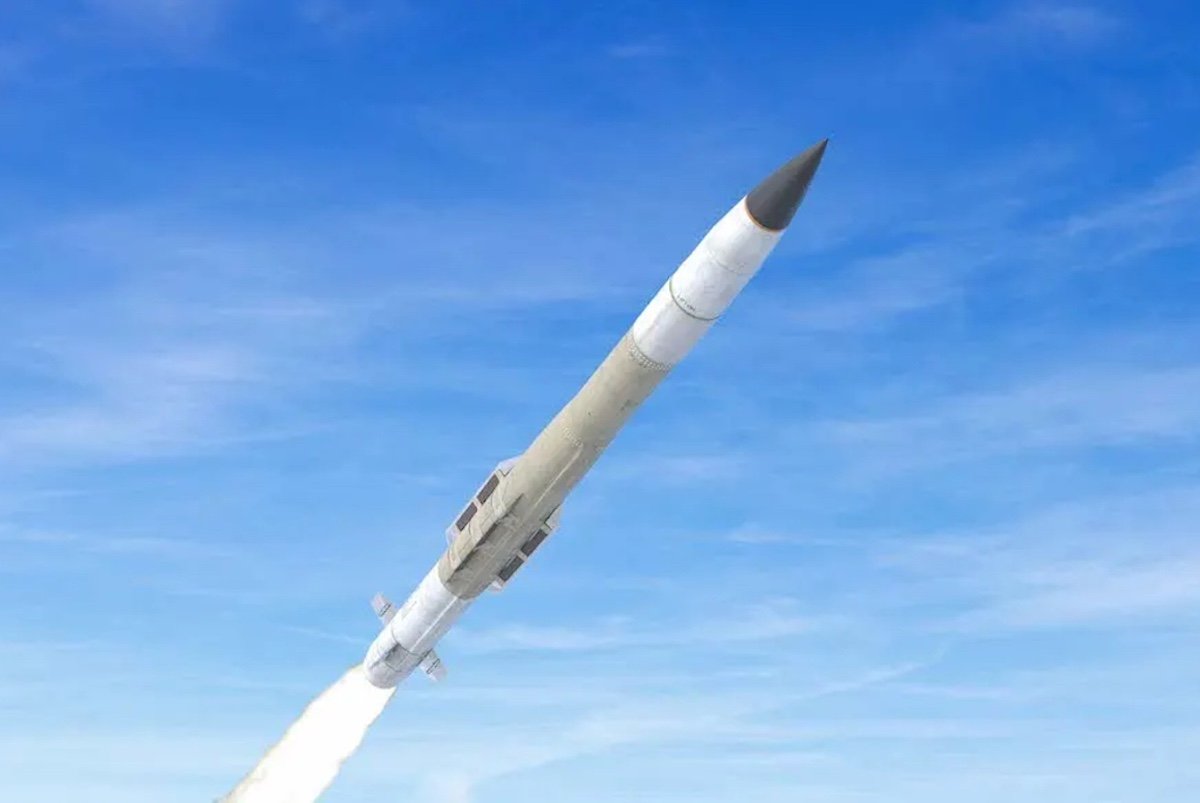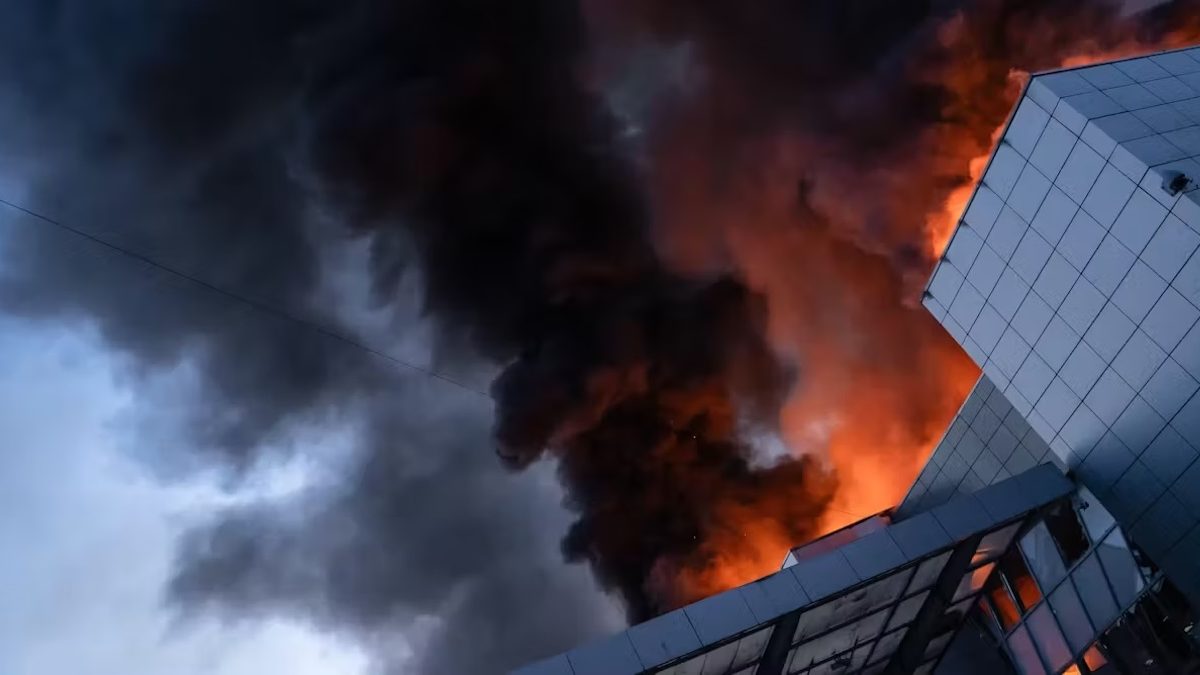
Over the past month, the air war in Russia's invasion of Ukraine has entered a new, more intense phase. Moscow has launched a series of large-scale drone and missile barrages against Ukrainian cities, including Kyiv, causing significant destruction and civilian casualties. These attacks, occurring in mid- and late-May and early June, are the largest since late 2025, according to military analysts.
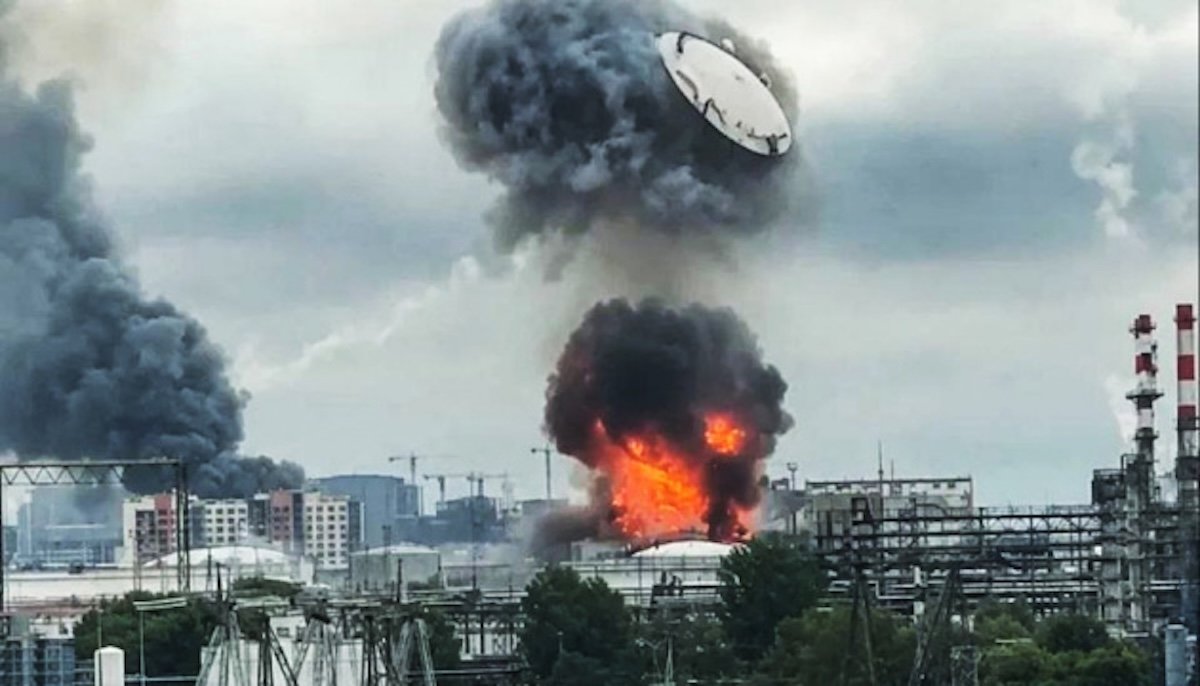
Yet focusing solely on Russian strikes misses a key development: Ukraine has responded with increasingly effective long-range strikes deep into Russian territory. After a Russian attack on May 13-14, Ukrainian drones hit the Moscow region. Following another barrage, Ukraine struck St Petersburg on June 3, just before President Vladimir Putin's St Petersburg International Economic Forum was set to begin. Ukraine has also intensified attacks on Crimea and critical Russian supply lines to the illegally occupied peninsula.
A High-Intensity Retaliation Cycle
This pattern represents a rapid tit-for-tat cycle. Ukraine retaliates after each Russian strike, which Moscow then uses to justify its next massive attack. What is new is the scale: Russia is deploying more drones and missiles per attack than even at the peak of its campaign in late 2025. The cycle is also accelerating, with strikes occurring days apart rather than weeks.
Ukrainian attacks deep inside Russia are no longer symbolic. They are causing real damage, prompting Moscow to accuse Kyiv of a terror campaign—a charge that deflects from Russia's own systematic targeting of civilian infrastructure. As noted in Drone Dominance Redefines Modern Warfare, such strikes are reshaping the battlefield.
On the defensive side, Ukraine's intercept rate for drones remains high, but the sheer volume of Russian drones means more get through in absolute terms. Russia is also using more missiles, which are harder for Ukraine to intercept, partly because its stockpiles of anti-missile defenses have been depleted. The reduction in US support since Donald Trump's return to the White House in January 2025, along with the diversion of American interceptors to the Middle East, has compounded this problem.
Sustainability Questions
Can Russia maintain this intensity? The scale and frequency of the past four weeks are likely beyond Moscow's capacity to sustain indefinitely. While still large, the strikes in late May and early June involved fewer munitions than the first wave. Russia can mass-produce cheap attack drones, but missile production is more constrained. A likely pattern is frequent massed drone strikes with intermittent large missile barrages.
Ukraine's air defenses are adapting. Cooperation with the European Union is improving, and the lifting of Hungary's veto on €40 billion in EU reimbursements for military support could free funds for critical air defense systems. Over time, a manageable equilibrium may emerge, characterized not only by better Ukrainian defenses but also by more effective Ukrainian strikes on Russia's war infrastructure.
This escalation is making the war more costly for the Kremlin—not just on the battlefield inside Ukraine, but also in terms of resources and strategic position. As The Deep Roots of US-Russia Rivalry highlights, such conflicts have long historical undercurrents.
For Moscow, the choice is narrowing: escalate further, including potential nuclear mobilization, or pursue a peace deal. The middle ground of simply continuing is eroding, as none of Putin's strategic goals can be achieved this way, and the waste of resources is unsustainable. Ukrainian President Volodymyr Zelensky has hinted at Kyiv's willingness to negotiate, stating that recent strikes put Ukraine on an equal footing in talks. But it may take several more rounds of this air campaign before the Kremlin reaches a similar conclusion.