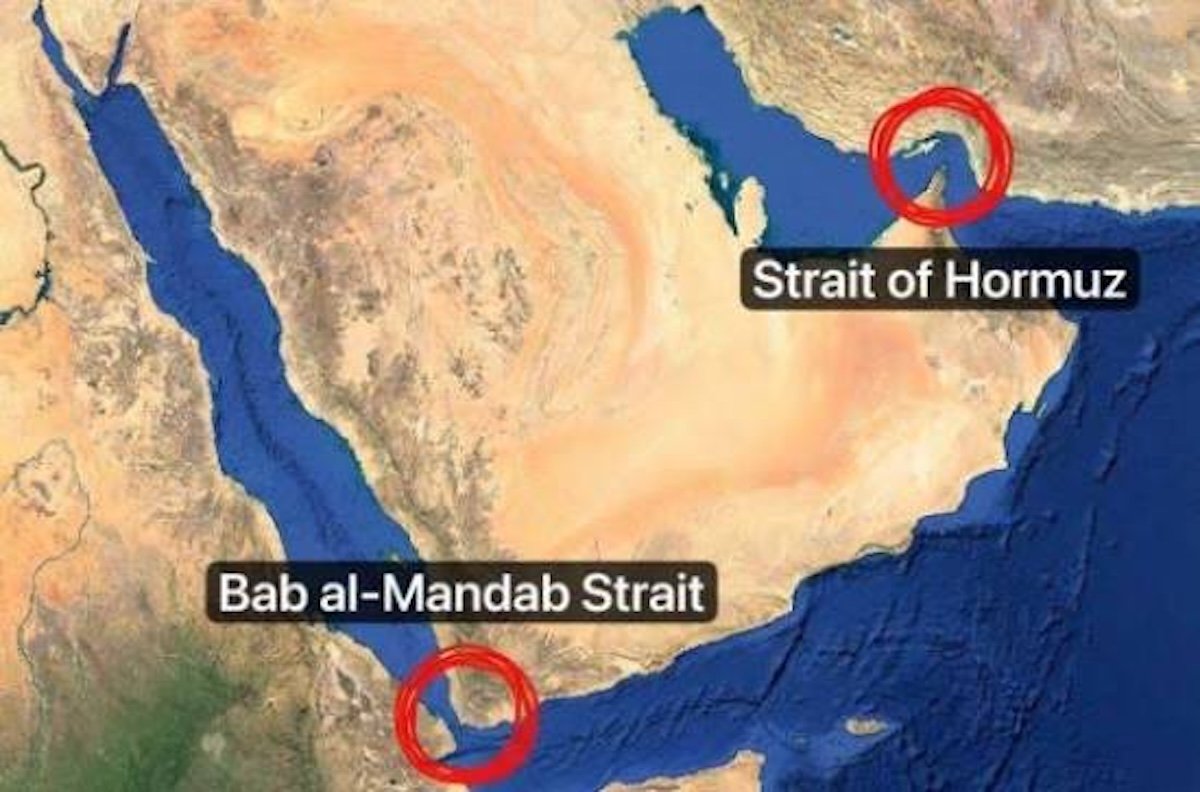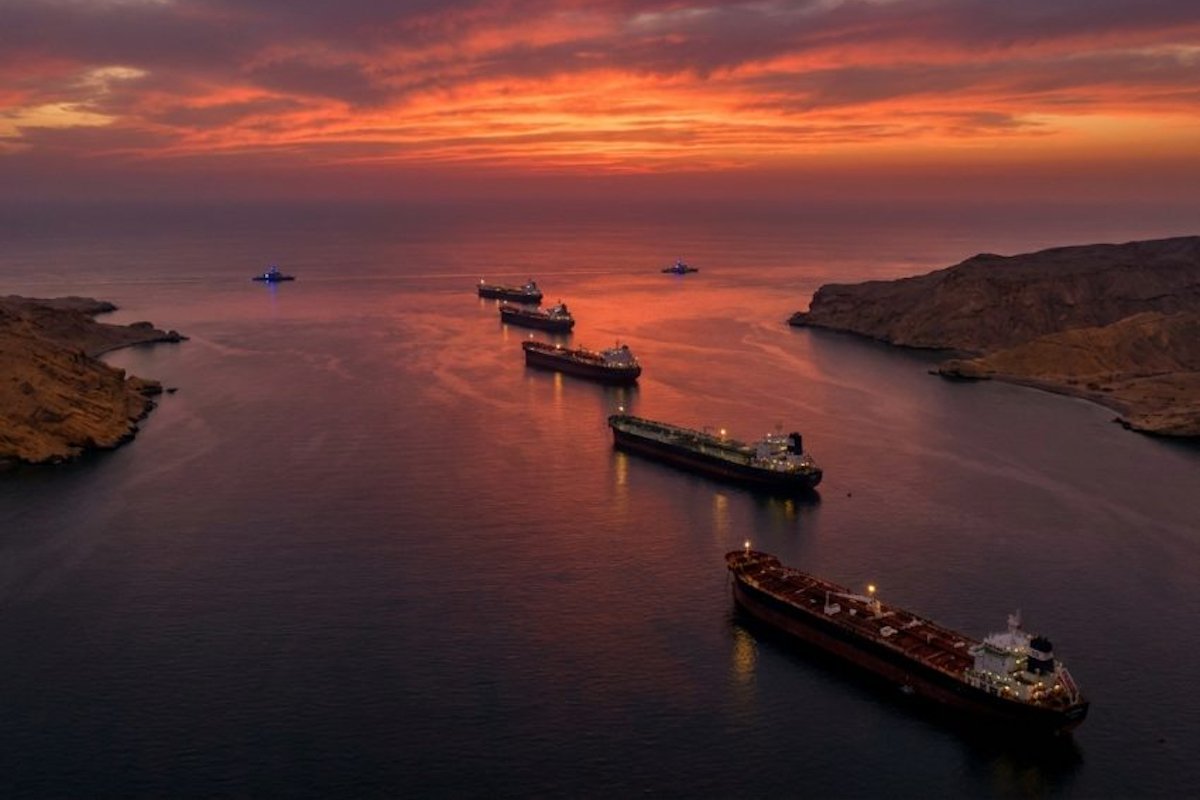
Five months after coordinated strikes by Israel and the United States killed Iran's Supreme Leader and triggered a wider regional war, the Strait of Hormuz has become the conflict's most intractable front. This 21-mile-wide chokepoint, through which roughly a fifth of the world's seaborne oil and a similar share of global LNG flows, is now the scene of an active, if intermittent, war that neither side can win decisively.
By mid-July, a grim pattern had set in. The US military conducts nightly strikes against Iranian coastal radar, drone launch sites, and missile infrastructure, each time describing the operations as necessary to protect commercial shipping. Iran retaliates by attacking tankers—including two vessels flagged to a Gulf ally that were hit inside Omani waters—and periodically declaring the strait closed to traffic it has not authorized. A ceasefire brokered earlier in the spring collapsed; indirect talks fell apart; and leaders on both sides trade public threats. This is no longer a slow-burning standoff but an active struggle fought largely through the strait itself.
The Military Logic of Deadlock
Why can neither side simply win here? The answer lies in the structural mismatch between American firepower and Iranian asymmetric tactics. Washington has the capability to degrade Iran's coastal defenses and has done so repeatedly. But as US Vice President JD Vance noted, you can strip away radar, drones, and missiles, and Iran can still threaten shipping with small boats, mines, and short-range fire—an asymmetric approach that does not require the sophisticated capabilities the US keeps destroying.
Iran, for its part, cannot hope to defeat the US Navy or hold the strait closed indefinitely. A genuine closure would cut off its own oil exports and invite even harsher retaliation. What both sides can do is make the strait too dangerous to be useful, which is functionally what has happened: commercial transits have slowed to a fraction of normal levels. As our analysis has shown, military force alone cannot secure this waterway.
Diplomacy's Structural Failures
Diplomacy keeps failing for structural reasons, not just bad timing. Tehran's foreign ministry has stated flatly that it has no plans to negotiate, and past rounds of indirect talks broke down before producing anything durable. Part of the difficulty is that the war has generated new points of friction faster than old ones can be resolved. Iran has floated the idea of charging tolls for transit through the strait, which it frames as compensation for “services” it provides. The US and the International Maritime Organization have rejected this bluntly, noting there is no legal basis for one country to toll an international strait. That toll dispute is minor next to the war itself, but it illustrates how each side keeps introducing new demands that make de-escalation harder to negotiate even when both may want it.
Regional and Global Stakes
The stakes go well beyond the two belligerents. A multinational Persian Gulf Strait Authority has emerged as an attempt at collective management. Washington has openly appealed to China, Japan, South Korea, European states, and others to send ships and share the burden of keeping the lane open—a tacit admission that unilateral American power has not been sufficient to guarantee safe passage. Gulf states like the United Arab Emirates are absorbing direct costs: tankers hit, crew killed, and commerce disrupted in waters they do not control and did not choose to fight in. The blockade also threatens global food security, as grain shipments and other essential goods are delayed or rerouted.
The deadlock reveals a fundamental truth: the Hormuz standoff is not a puzzle waiting for the right diplomatic key. It is a structural mismatch. American strikes can punish and degrade but not permanently secure the strait, while Iranian attacks can disrupt and intimidate but not close it on Tehran's terms or sustain the campaign without self-inflicted damage. Absent a negotiated settlement neither government currently seems ready to accept, the likely near-term future is more of what mid-July has already shown: cycles of strikes, tanker incidents, brief lulls, and traffic that never quite returns to normal. As previous analyses have noted, there are no good escalation options left.
The question hanging over the region is not really who wins at Hormuz. It is how long global energy markets and Gulf neighbors keep absorbing the cost of a fight that neither principal party can decisively end.